THE ADVENTURE COLLECTIVE® · Independent discovery and booking for outdoor travel

Escape Marrakech for a day in the High Atlas on a guided hike to Setti Fatma’s waterfalls, with a visit to a Berber house and argan cooperative. Scenic drives, river trails and authentic mountain hospitality make this a compact but rich mountain outing.
Escape Marrakech for a day in the High Atlas on a guided hike to Setti Fatma’s waterfalls, with a visit to a Berber house and argan cooperative. Scenic drives, river trails and authentic mountain hospitality make this a compact but rich mountain outing.
You leave Marrakech with the city noise shrinking in the rearview while the High Atlas rises like an escarpment on the horizon. The van winds up into a green corridor of olive and argan trees; the air grows cooler and the river’s voice gets louder, daring you to follow. By the time you reach Setti Fatma, stone houses and terraced gardens frame the trailhead, and a local guide points you toward the first cascade.
Verified experiences and guided adventures in the surrounding area.
Operated by I&A Moroccan travel · Setti Fatma, Marrakech-Safi
You leave Marrakech with the city noise shrinking in the rearview while the High Atlas rises like an escarpment on the horizon. The van winds up into a green corridor of olive and argan trees; the air grows cooler and the river’s voice gets louder, daring you to follow. By the time you reach Setti Fatma, stone houses and terraced gardens frame the trailhead, and a local guide points you toward the first cascade.
The Ourika Valley has long been a corridor between Marrakech and the higher Atlas: a living landscape shaped by tectonic uplift and millennia of water carving schist and sandstone into narrow gorges and stepped falls. Amazigh (Berber) families farm the slopes and run cooperatives producing argan oil and olive products—small economies tied to an ancient mountain culture.
The hike to the seven waterfalls is straightforward but variable—rocky switchbacks, river crossings, and wet steps that demand steady footing. Expect 2–3 hours on the trail round-trip, with views that open from river canopies to snow-dusted peaks in winter. Guides slow the pace, point out local flora and the terraces that sustain villages, and arrange mint tea at a Berber house.
Practical edge: wear sturdy shoes with grip, bring 1–2 liters of water and sun protection, and carry small change for the cooperative and guide tipping. Start early to avoid midday heat in summer and to catch softer light on the falls. Respect trails and local customs—this is a working valley, not a theme park.
The guided hike portion is typically 2–3 hours round-trip, with time at viewpoints; the full excursion from Marrakech runs about 8 hours.
Yes—many sections are family-friendly but expect rock steps and river crossings; guides can set a slower pace and help where needed.
Yes—the itinerary includes a visit to a Berber cooperative where you can sample and purchase argan oil, olives and soaps—bring cash.
Tipping is customary; small amounts to the guide and driver are appreciated for good service, given local wages.
I&A Moroccan travel operates guided outdoor trips and adventures with an emphasis on safety, stewardship, and memorable experiences.
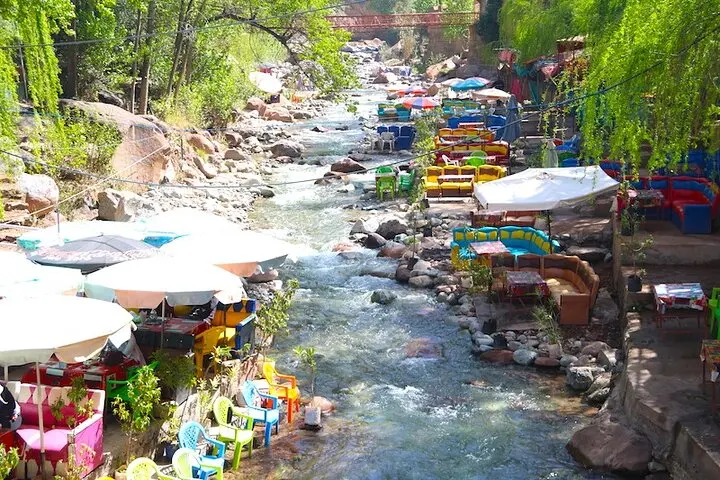
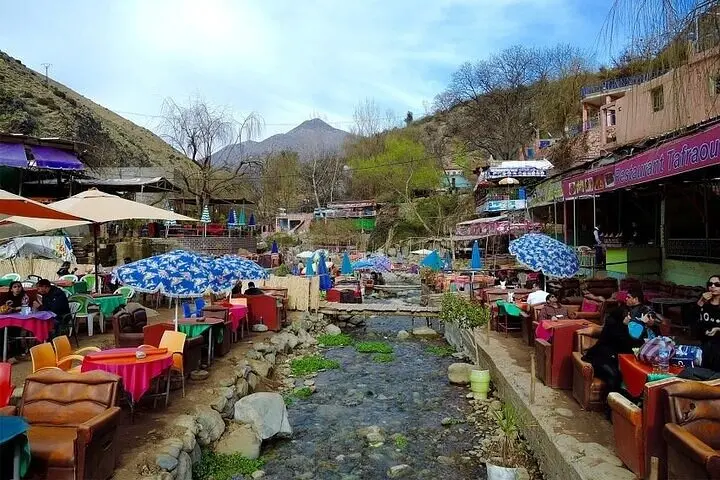
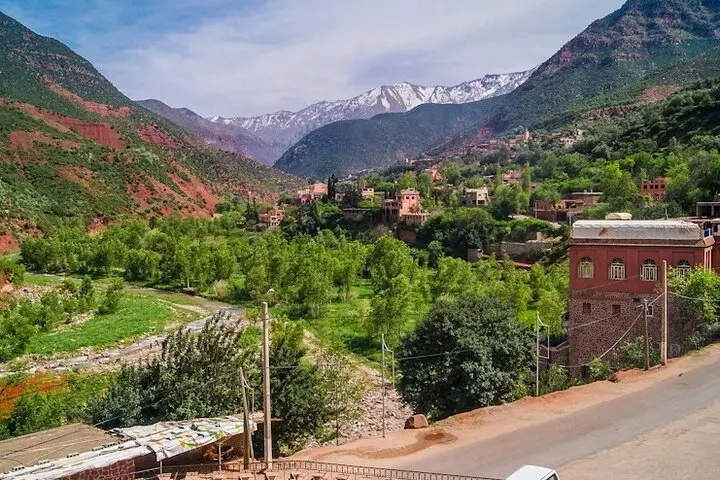
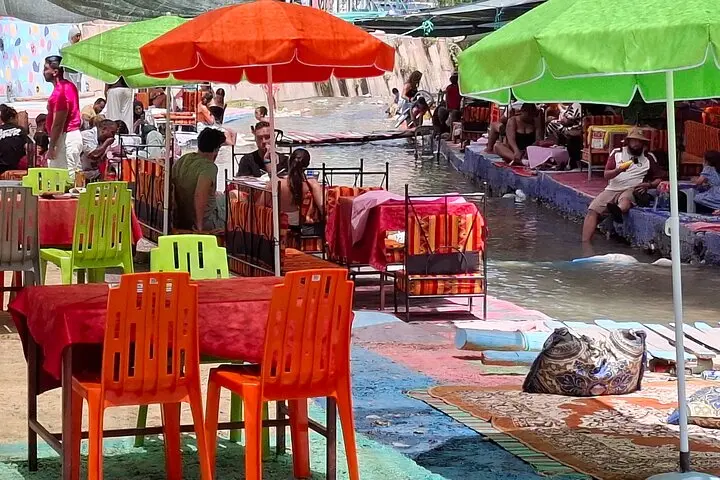
You leave Marrakech with the city noise shrinking in the rearview while the High Atlas rises like an escarpment on the horizon. The van winds up into a green corridor of olive and argan trees; the air grows cooler and the river’s voice gets louder, daring you to follow. By the time you reach Setti Fatma, stone houses and terraced gardens frame the trailhead, and a local guide points you toward the first cascade.
You leave Marrakech with the city noise shrinking in the rearview while the High Atlas rises like an escarpment on the horizon. The van winds up into a green corridor of olive and argan trees; the air grows cooler and the river’s voice gets louder, daring you to follow. By the time you reach Setti Fatma, stone houses and terraced gardens frame the trailhead, and a local guide points you toward the first cascade.
The Ourika Valley has long been a corridor between Marrakech and the higher Atlas: a living landscape shaped by tectonic uplift and millennia of water carving schist and sandstone into narrow gorges and stepped falls. Amazigh (Berber) families farm the slopes and run cooperatives producing argan oil and olive products—small economies tied to an ancient mountain culture.
The hike to the seven waterfalls is straightforward but variable—rocky switchbacks, river crossings, and wet steps that demand steady footing. Expect 2–3 hours on the trail round-trip, with views that open from river canopies to snow-dusted peaks in winter. Guides slow the pace, point out local flora and the terraces that sustain villages, and arrange mint tea at a Berber house.
Practical edge: wear sturdy shoes with grip, bring 1–2 liters of water and sun protection, and carry small change for the cooperative and guide tipping. Start early to avoid midday heat in summer and to catch softer light on the falls. Respect trails and local customs—this is a working valley, not a theme park.