THE ADVENTURE COLLECTIVE® · Independent discovery and booking for outdoor travel

Leave Marrakesh for a day in the Atlas: hike to the Setti Fatma waterfalls, visit an argan cooperative and a Berber house, then relax with a riverside lunch. This guided trip blends easy mountain walking with cultural insight.
Leave Marrakesh for a day in the Atlas: hike to the Setti Fatma waterfalls, visit an argan cooperative and a Berber house, then relax with a riverside lunch. This guided trip blends easy mountain walking with cultural insight.
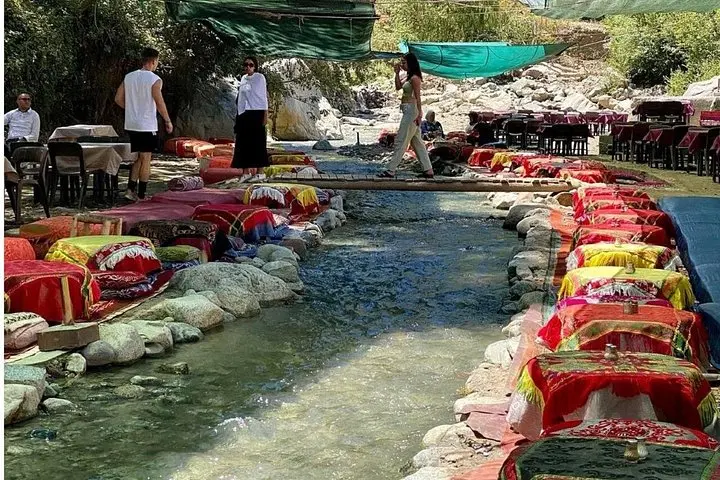
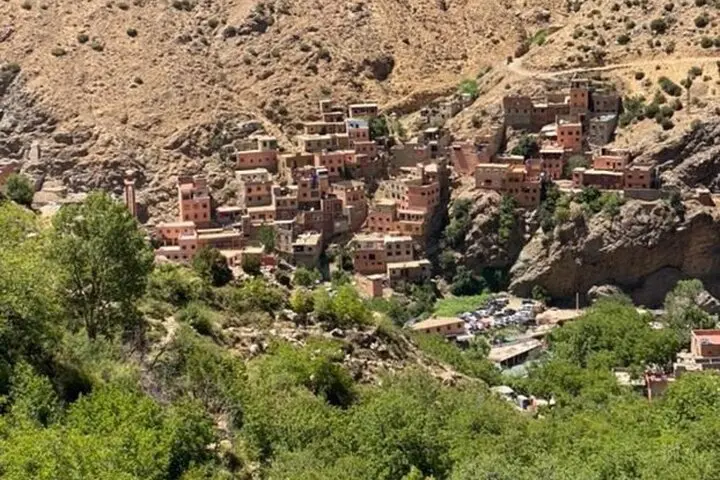
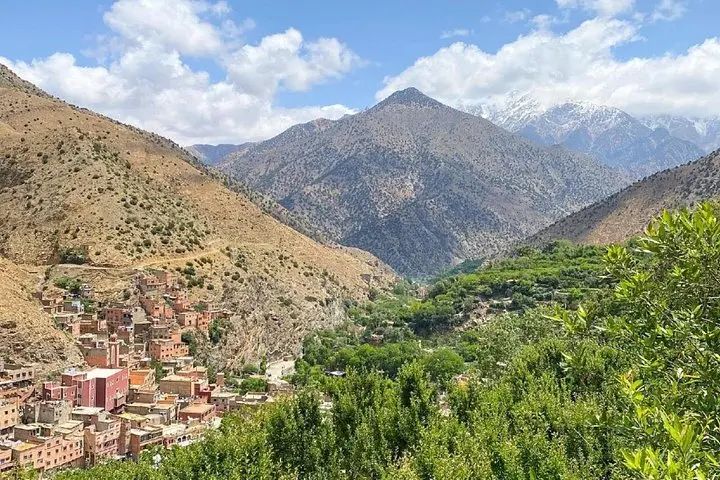
A cool mountain wind waits as the road lifts out of Marrakesh and the palms give way to stony terraces and squat olive trees. By the time the Atlas peaks pierce the skyline, the valley narrows and the river—sometimes soft, sometimes urgent—begins to direct your pace. You arrive in Setti Fatma with the sound of water daring you onward: a stepped trail of pools and falls, village children waving from stone houses, and the scent of mint tea warming hands.
Verified experiences and guided adventures in the surrounding area.
Operated by Marrakech desert Activities · Setti Fatma, Marrakech-Safi
A cool mountain wind waits as the road lifts out of Marrakesh and the palms give way to stony terraces and squat olive trees. By the time the Atlas peaks pierce the skyline, the valley narrows and the river—sometimes soft, sometimes urgent—begins to direct your pace. You arrive in Setti Fatma with the sound of water daring you onward: a stepped trail of pools and falls, village children waving from stone houses, and the scent of mint tea warming hands.
The Ourika Valley is carved from the High Atlas’ folded limestone and schist; glaciers and seasonal runoff shaped the gullies and terraces that local Berber communities have farmed for centuries. Argans trees, worked by cooperative women, dot the lower slopes; higher up, shepherds move flocks along ancient footpaths. Cultural exchanges—visits to a Berber house, shared mint tea—offer practical insight into daily life here, not a staged encounter.
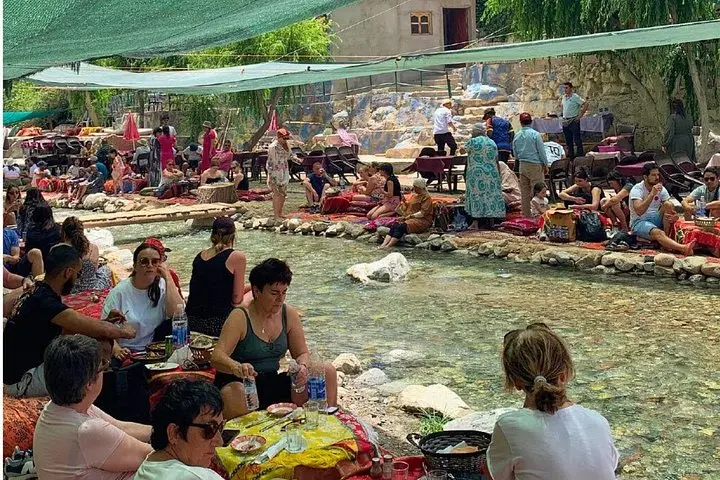
On trail you’ll follow mule tracks and rock steps to reach the larger cascades; footing can be uneven and wet. Expect 2–3 miles of walking round-trip on a guided route, panoramic mountain views, and a riverside lunch option featuring regional dishes.
Practical guidance: wear sturdy shoes with grip, bring at least 1 liter of water and sun protection, and plan for variable mountain weather—layers pack small but matter. Go early in the day to avoid crowds and mid-afternoon heat. Respect private properties in villages, ask before photographing people, and support local cooperatives rather than bargaining aggressively.
This day trip combines manageable hiking, tangible culture, and a short, scenic drive—ideal for travelers who want an accessible Alpine-flavored escape from Marrakesh.
The guided walk covers about 2–4 miles round-trip depending on stops, typically 60–90 minutes of walking plus time at viewpoints.
Yes—families with children who can walk on uneven ground will usually be fine; strollers are not practical on the hiking sections.
A three-course riverside lunch is offered with the lunch option; check the booking to confirm if your tour includes lunch.
Yes—visits include an argan cooperative and local artisans where you can purchase oils and textiles; prices vary and small purchases support local economies.
Marrakech desert Activities operates guided outdoor trips and adventures with an emphasis on safety, stewardship, and memorable experiences.
A cool mountain wind waits as the road lifts out of Marrakesh and the palms give way to stony terraces and squat olive trees. By the time the Atlas peaks pierce the skyline, the valley narrows and the river—sometimes soft, sometimes urgent—begins to direct your pace. You arrive in Setti Fatma with the sound of water daring you onward: a stepped trail of pools and falls, village children waving from stone houses, and the scent of mint tea warming hands.
A cool mountain wind waits as the road lifts out of Marrakesh and the palms give way to stony terraces and squat olive trees. By the time the Atlas peaks pierce the skyline, the valley narrows and the river—sometimes soft, sometimes urgent—begins to direct your pace. You arrive in Setti Fatma with the sound of water daring you onward: a stepped trail of pools and falls, village children waving from stone houses, and the scent of mint tea warming hands.
The Ourika Valley is carved from the High Atlas’ folded limestone and schist; glaciers and seasonal runoff shaped the gullies and terraces that local Berber communities have farmed for centuries. Argans trees, worked by cooperative women, dot the lower slopes; higher up, shepherds move flocks along ancient footpaths. Cultural exchanges—visits to a Berber house, shared mint tea—offer practical insight into daily life here, not a staged encounter.
On trail you’ll follow mule tracks and rock steps to reach the larger cascades; footing can be uneven and wet. Expect 2–3 miles of walking round-trip on a guided route, panoramic mountain views, and a riverside lunch option featuring regional dishes.
Practical guidance: wear sturdy shoes with grip, bring at least 1 liter of water and sun protection, and plan for variable mountain weather—layers pack small but matter. Go early in the day to avoid crowds and mid-afternoon heat. Respect private properties in villages, ask before photographing people, and support local cooperatives rather than bargaining aggressively.
This day trip combines manageable hiking, tangible culture, and a short, scenic drive—ideal for travelers who want an accessible Alpine-flavored escape from Marrakesh.