THE ADVENTURE COLLECTIVE® · Independent discovery and booking for outdoor travel

Escape Marrakech for a day in the Ourika Valley: a guided hike to Setti Fatma waterfalls, a riverside Berber lunch, and visits to argan cooperatives and mountain villages. Practical for all fitness levels and bookable with hotel pickup.
Escape Marrakech for a day in the Ourika Valley: a guided hike to Setti Fatma waterfalls, a riverside Berber lunch, and visits to argan cooperatives and mountain villages. Practical for all fitness levels and bookable with hotel pickup.
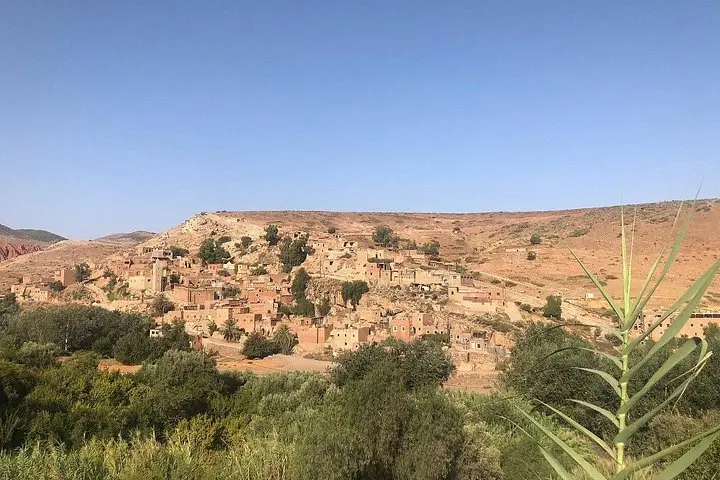
A dusty lane out of Marrakech loosens into olive terraces and the Atlas foothills; the river cuts a cool line through scrub and stone. By midmorning you arrive in the Ourika Valley, where a short, guided hike follows mule tracks and shaded paths to the Setti Fatma waterfalls. The falls call quietly—water daring you toward the riverbank—while the valley shelters small Berber settlements that keep a practical rhythm of argan presses and teahouses.
Verified experiences and guided adventures in the surrounding area.
Operated by Morocco Treasure · Setti Fatma, Marrakesh-Safi
A dusty lane out of Marrakech loosens into olive terraces and the Atlas foothills; the river cuts a cool line through scrub and stone. By midmorning you arrive in the Ourika Valley, where a short, guided hike follows mule tracks and shaded paths to the Setti Fatma waterfalls. The falls call quietly—water daring you toward the riverbank—while the valley shelters small Berber settlements that keep a practical rhythm of argan presses and teahouses.
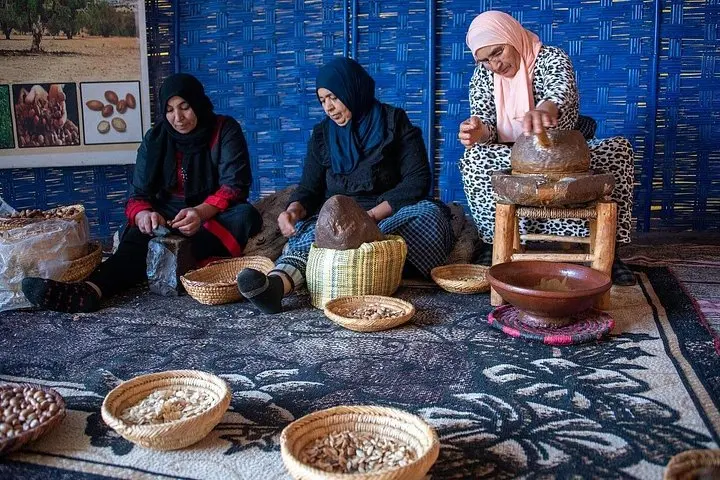
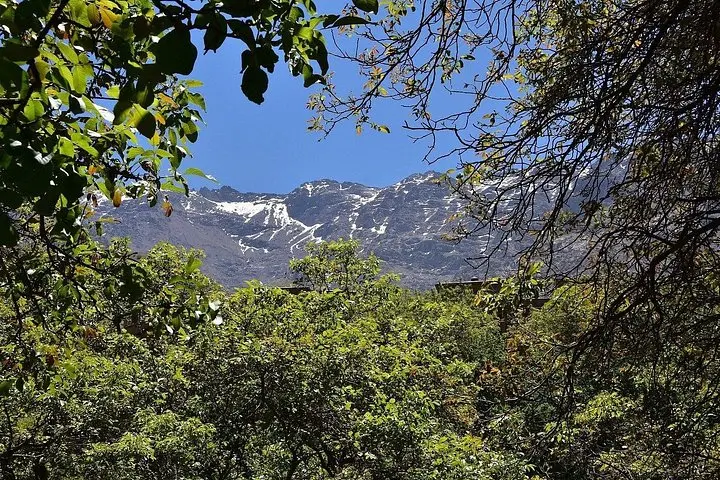
Geologically the valley is carved from folded sedimentary layers of the High Atlas; streams swell seasonally and deposit river stones that make the riverbanks changeable underfoot. Historically this corridor has been a trade and transhumance route connecting mountain farmers to Marrakech; today cooperative argan presses and women-run enterprises provide a living bridge between tradition and tourism.
Expect 1–1.5 hours of hiking on uneven terrain, intermittent stone steps, and river-crossing rocks if you follow the falls route. Language is primarily Arabic and Tamazight, with French and hospitality-focused English in tourist spots—simple greetings go a long way.
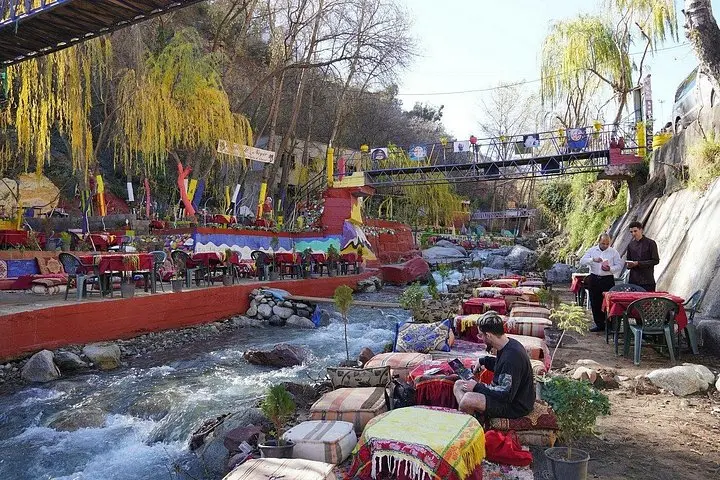
Practical guidance: start early to avoid midday heat, bring layered clothing for shade-to-sun shifts, and carry at least 1–1.5 liters of water per person. Wear sturdy footwear; paths can be slippery after rain. If you prefer to skip the hike, riverside restaurants offer shaded seating and mint tea with local dishes. Hotel pickup and drop-off from Marrakech simplify logistics—plan for a full-day window (about seven to eight hours).
The guided hike typically takes 1 to 1.5 hours round-trip on uneven terrain; groups can shorten or skip the walk and relax by the river.
Yes—it's rated easy and suitable for most ages, though those with mobility or heart issues should consult the operator; short steep sections exist.
A Berber lunch by the river and mint tea are included; alcoholic drinks are usually not provided—confirm dietary needs when booking.
This private small-group tour includes hotel pickup and drop-off—confirm your pickup location and time during booking.
Morocco Treasure operates guided outdoor trips and adventures with an emphasis on safety, stewardship, and memorable experiences.
A dusty lane out of Marrakech loosens into olive terraces and the Atlas foothills; the river cuts a cool line through scrub and stone. By midmorning you arrive in the Ourika Valley, where a short, guided hike follows mule tracks and shaded paths to the Setti Fatma waterfalls. The falls call quietly—water daring you toward the riverbank—while the valley shelters small Berber settlements that keep a practical rhythm of argan presses and teahouses.
A dusty lane out of Marrakech loosens into olive terraces and the Atlas foothills; the river cuts a cool line through scrub and stone. By midmorning you arrive in the Ourika Valley, where a short, guided hike follows mule tracks and shaded paths to the Setti Fatma waterfalls. The falls call quietly—water daring you toward the riverbank—while the valley shelters small Berber settlements that keep a practical rhythm of argan presses and teahouses.
Geologically the valley is carved from folded sedimentary layers of the High Atlas; streams swell seasonally and deposit river stones that make the riverbanks changeable underfoot. Historically this corridor has been a trade and transhumance route connecting mountain farmers to Marrakech; today cooperative argan presses and women-run enterprises provide a living bridge between tradition and tourism.
Expect 1–1.5 hours of hiking on uneven terrain, intermittent stone steps, and river-crossing rocks if you follow the falls route. Language is primarily Arabic and Tamazight, with French and hospitality-focused English in tourist spots—simple greetings go a long way.
Practical guidance: start early to avoid midday heat, bring layered clothing for shade-to-sun shifts, and carry at least 1–1.5 liters of water per person. Wear sturdy footwear; paths can be slippery after rain. If you prefer to skip the hike, riverside restaurants offer shaded seating and mint tea with local dishes. Hotel pickup and drop-off from Marrakech simplify logistics—plan for a full-day window (about seven to eight hours).