THE ADVENTURE COLLECTIVE® · Independent discovery and booking for outdoor travel

Escape Marrakech for a full-day trip into the Ourika Valley: meet Berber communities, ride a camel, and hike to the Setti Fatma waterfalls. This guide covers what you'll see, how the terrain feels, and the practical gear and timing to make the day smooth.
Escape Marrakech for a full-day trip into the Ourika Valley: meet Berber communities, ride a camel, and hike to the Setti Fatma waterfalls. This guide covers what you'll see, how the terrain feels, and the practical gear and timing to make the day smooth.
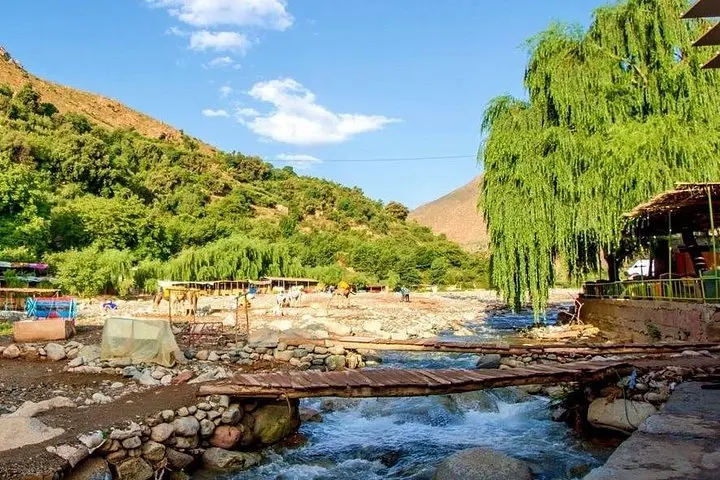
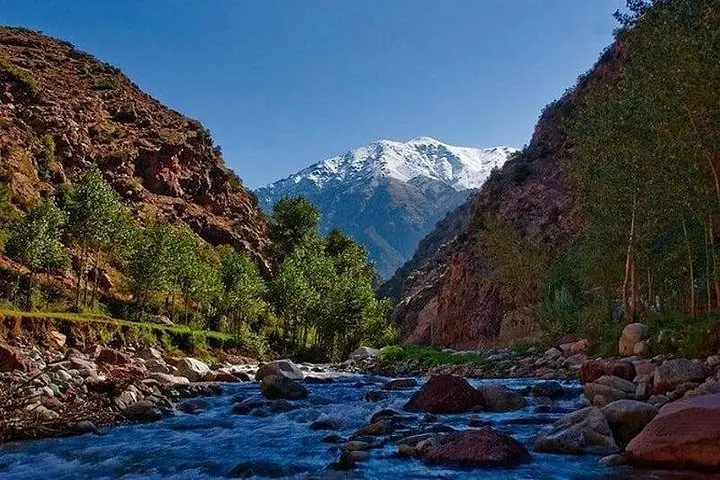
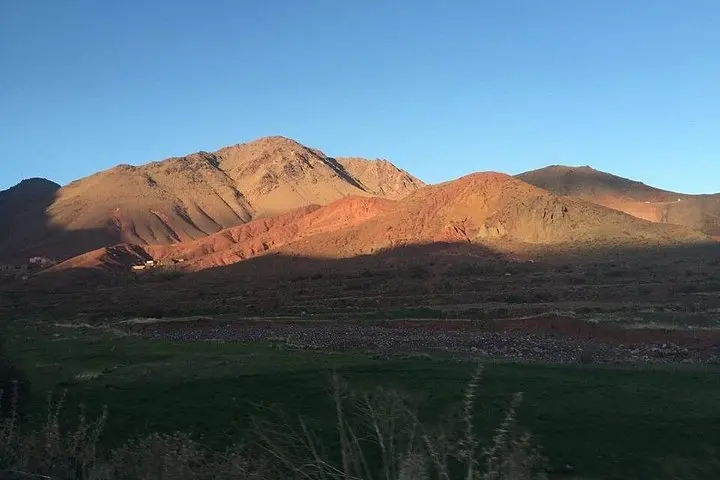
You step out of Marrakech's heat into a green cleft of the High Atlas where the river pulls the valley into motion. Morning light falls across terraced fields and a small Berber market hums with spices and woven cloth; later a camel ambles along a low trail as the valley unfurls toward craggy peaks.
Verified experiences and guided adventures in the surrounding area.
Operated by Morocco Holidays Travel · Setti Fatma, Marrakesh-Safi
You step out of Marrakech's heat into a green cleft of the High Atlas where the river pulls the valley into motion. Morning light falls across terraced fields and a small Berber market hums with spices and woven cloth; later a camel ambles along a low trail as the valley unfurls toward craggy peaks.
The Ourika Valley has long been a route between Marrakech and the high country, shaped by the Atlas's geology—folded schist and granite carved by seasonal torrents. The most visited stretch runs to Setti Fatma, a cluster of seven waterfalls reached by a river trail studded with irrigation canals and olive groves. Culture here is visible and direct: Berber families selling mint tea, village paths that double as trade routes, and a landscape managed with centuries-old terraces.
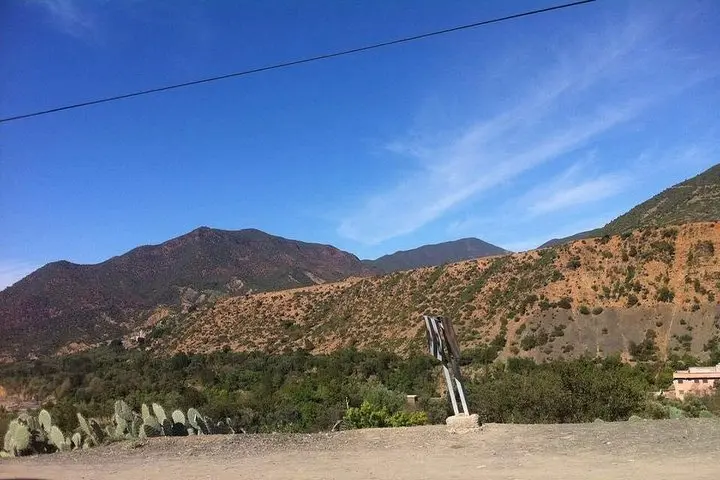
Expect a mixed outing: a short camel ride, a community visit to taste traditional Berber tea, then a hike of roughly 3–5 km round trip to the main falls with about 200–350 m of ascent depending on how high you press past the lower cascades. Terrain alternates packed dirt, river rock, and occasional steep stone steps; water can be loud and insistent, pushing you forward toward viewpoints. Lunch is typically a riverside tagine at a local café before a scenic drive back through the Sidi Fares and Assni valleys with final views of Mount Toubkal (4,167 m) on clear days.
Practical notes: wear sturdy shoes, carry 1–2 liters of water, protect against intense sun, and allow 8–10 hours for pickup, hiking, lunch, and return to Marrakech.
The commonly walked route is about 3–5 km round trip from the village and takes 1–2 hours depending on pace and how many cascades you visit.
The camel segment is a short, gentle ride designed for photos and novelty—comfortable for most people and guided by handlers.
Yes—this trip typically includes private transportation from Marrakech with pickup and return; confirm your pickup point when booking.
Basic restrooms and several local restaurants offer tagines and tea in Setti Fatma; facilities are simple but adequate for a day trip.
Morocco Holidays Travel operates guided outdoor trips and adventures with an emphasis on safety, stewardship, and memorable experiences.
You step out of Marrakech's heat into a green cleft of the High Atlas where the river pulls the valley into motion. Morning light falls across terraced fields and a small Berber market hums with spices and woven cloth; later a camel ambles along a low trail as the valley unfurls toward craggy peaks.
You step out of Marrakech's heat into a green cleft of the High Atlas where the river pulls the valley into motion. Morning light falls across terraced fields and a small Berber market hums with spices and woven cloth; later a camel ambles along a low trail as the valley unfurls toward craggy peaks.
The Ourika Valley has long been a route between Marrakech and the high country, shaped by the Atlas's geology—folded schist and granite carved by seasonal torrents. The most visited stretch runs to Setti Fatma, a cluster of seven waterfalls reached by a river trail studded with irrigation canals and olive groves. Culture here is visible and direct: Berber families selling mint tea, village paths that double as trade routes, and a landscape managed with centuries-old terraces.
Expect a mixed outing: a short camel ride, a community visit to taste traditional Berber tea, then a hike of roughly 3–5 km round trip to the main falls with about 200–350 m of ascent depending on how high you press past the lower cascades. Terrain alternates packed dirt, river rock, and occasional steep stone steps; water can be loud and insistent, pushing you forward toward viewpoints. Lunch is typically a riverside tagine at a local café before a scenic drive back through the Sidi Fares and Assni valleys with final views of Mount Toubkal (4,167 m) on clear days.
Practical notes: wear sturdy shoes, carry 1–2 liters of water, protect against intense sun, and allow 8–10 hours for pickup, hiking, lunch, and return to Marrakech.