THE ADVENTURE COLLECTIVE® · Independent discovery and booking for outdoor travel

Escape Marrakech for a day into the Ourika Valley’s rushing river, cascading waterfalls and living Berber culture. This accessible High Atlas outing blends easy riverside walks with village visits and local crafts.
Escape Marrakech for a day into the Ourika Valley’s rushing river, cascading waterfalls and living Berber culture. This accessible High Atlas outing blends easy riverside walks with village visits and local crafts.
You arrive as the air cools coming down from Marrakech — the city noise fades and the Atlas foothills open like a map of terraces and riverbeds. The Ourika River threads the valley, its current daring you to pause at stone bridges and roadside tea stalls. Small villages cling to the slopes; goats and almond trees mark the route toward the waterfalls.
Verified experiences and guided adventures in the surrounding area.
Operated by TRIP SPIRIT · Ourika, Marrakech-Safi
You arrive as the air cools coming down from Marrakech — the city noise fades and the Atlas foothills open like a map of terraces and riverbeds. The Ourika River threads the valley, its current daring you to pause at stone bridges and roadside tea stalls. Small villages cling to the slopes; goats and almond trees mark the route toward the waterfalls.
The valley sits on the southern flanks of the High Atlas, shaped by uplift and seasonal streams that carved deep, green gullies over millennia. Tamazight-speaking Berber communities have farmed these slopes for centuries; argan oil cooperatives and local souks continue a living tradition of craft, medicinal plants, and mountain cuisine.
Expect a mix of short riverside walks to tiered falls, photo stops at river terraces, and brief cultural visits to a Berber house and argan cooperative. Guides typically explain local plant uses and the valley’s role as a near-city refuge for Marrakechis. Geologically, the valley offers clear examples of fluvial erosion and alluvial deposition where the Atlas transitions to the plains.
Practical guidance: this is a full-day outing from Marrakech (about 60–90 minutes each way depending on traffic). Wear sturdy shoes for uneven paths, bring refillable water, sun protection, and small bills for local purchases. If you prefer quieter trails, ask your guide for less-visited walking options toward the higher hamlets. Weather shifts quickly in the Atlas — layer up for morning chill and midday heat. The day trip is accessible for most fitness levels but includes short steep sections and rocky approaches to falls.
Plan for about 60–90 minutes each way depending on traffic and route; travel time varies by departure point and season.
Most walks to the main cascades are short and manageable, but paths can be uneven and rocky—sturdy shoes recommended.
Yes—many day trips include short cultural stops where you can meet locals, see argan oil production, and buy crafts.
Yes; the itinerary is rated easy and often accommodates families and less-mobile travelers, but check for specific mobility needs during booking.
TRIP SPIRIT operates guided outdoor trips and adventures with an emphasis on safety, stewardship, and memorable experiences.
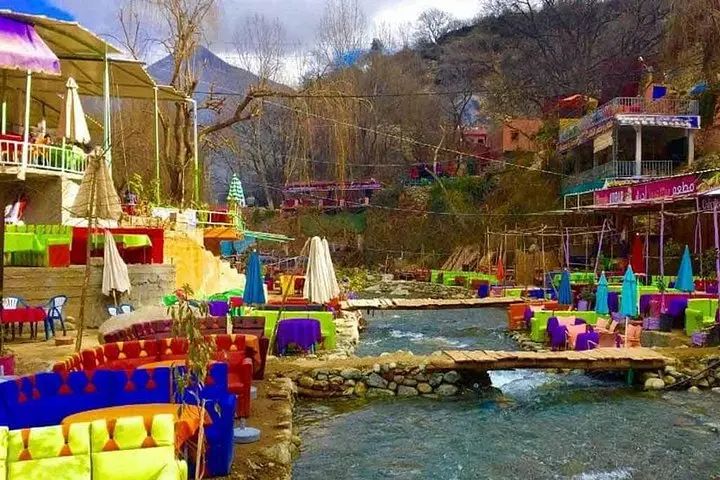
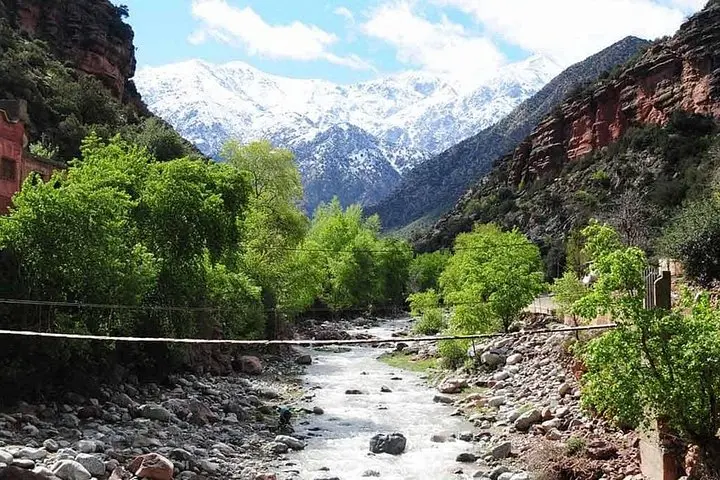
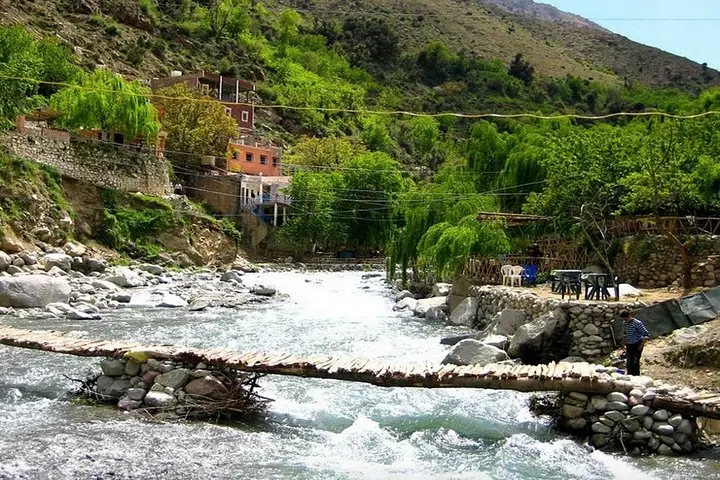
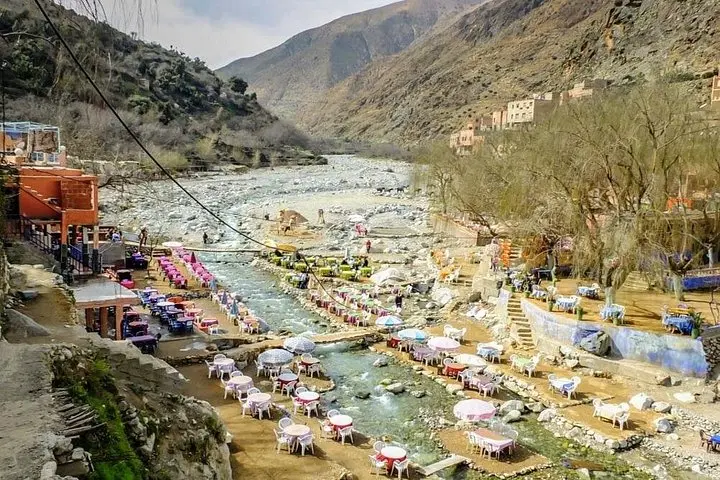
You arrive as the air cools coming down from Marrakech — the city noise fades and the Atlas foothills open like a map of terraces and riverbeds. The Ourika River threads the valley, its current daring you to pause at stone bridges and roadside tea stalls. Small villages cling to the slopes; goats and almond trees mark the route toward the waterfalls.
You arrive as the air cools coming down from Marrakech — the city noise fades and the Atlas foothills open like a map of terraces and riverbeds. The Ourika River threads the valley, its current daring you to pause at stone bridges and roadside tea stalls. Small villages cling to the slopes; goats and almond trees mark the route toward the waterfalls.
The valley sits on the southern flanks of the High Atlas, shaped by uplift and seasonal streams that carved deep, green gullies over millennia. Tamazight-speaking Berber communities have farmed these slopes for centuries; argan oil cooperatives and local souks continue a living tradition of craft, medicinal plants, and mountain cuisine.
Expect a mix of short riverside walks to tiered falls, photo stops at river terraces, and brief cultural visits to a Berber house and argan cooperative. Guides typically explain local plant uses and the valley’s role as a near-city refuge for Marrakechis. Geologically, the valley offers clear examples of fluvial erosion and alluvial deposition where the Atlas transitions to the plains.
Practical guidance: this is a full-day outing from Marrakech (about 60–90 minutes each way depending on traffic). Wear sturdy shoes for uneven paths, bring refillable water, sun protection, and small bills for local purchases. If you prefer quieter trails, ask your guide for less-visited walking options toward the higher hamlets. Weather shifts quickly in the Atlas — layer up for morning chill and midday heat. The day trip is accessible for most fitness levels but includes short steep sections and rocky approaches to falls.