THE ADVENTURE COLLECTIVE® · Independent discovery and booking for outdoor travel

Drive from Marrakech into the High Atlas to find terraced farms, Berber villages and a series of waterfalls at Setti Fadma. This full-day private trip combines easy cultural stops with a 1–1.5 hour walk to the falls—ideal for travelers who want scenic views without technical hiking.
Drive from Marrakech into the High Atlas to find terraced farms, Berber villages and a series of waterfalls at Setti Fadma. This full-day private trip combines easy cultural stops with a 1–1.5 hour walk to the falls—ideal for travelers who want scenic views without technical hiking.
A dust-sweetened wind carries the smell of olive groves as your vehicle peels away from Marrakech and climbs toward the High Atlas foothills. By mid-morning the valley opens: terraced gardens, whitewashed houses, and a river that seems to dare you to follow it upstream. The village of Setti Fadma serves as basecamp—lunch here, then a 1–1.5 hour walk on rocky tracks to a series of stepped waterfalls.
Verified experiences and guided adventures in the surrounding area.
Operated by Maroc visit · Ourika, Marrakech-Safi
A dust-sweetened wind carries the smell of olive groves as your vehicle peels away from Marrakech and climbs toward the High Atlas foothills. By mid-morning the valley opens: terraced gardens, whitewashed houses, and a river that seems to dare you to follow it upstream. The village of Setti Fadma serves as basecamp—lunch here, then a 1–1.5 hour walk on rocky tracks to a series of stepped waterfalls.
Geology and history shape every switchback. The High Atlas is young, uplifted rock folded by tectonic collision; streams cut through schist and limestone to create the narrow Ourika corridor. The valley is populated by Amazigh (Berber) communities with a longstanding agricultural life—irrigation terraces and olive groves visible from the road. Local homes and small markets offer a direct line to regional cuisine: tagines, fresh bread, and mint tea prepared in homes open to visitors.
Practical guidance: depart Marrakech early (pickups typically at 9:00), bring cash for small purchases and lunch if not included, and allow 1–2 hours for the falls walk on uneven trails. The trip is accessible by private transport and suitable for most fitness levels, but the paths can be steep and slippery after rain. Carry water, sun protection, and sturdy shoes; expect basic facilities in villages. If you want fewer crowds, ask to skip the Monday market or time your trip outside market day. Respect private homes when visiting local houses, and consider hiring a local guide at Setti Fadma to better understand trail choices and cultural context.
Expect roughly 1 to 1.5 hours round-trip depending on pace and how many cascades you stop at; trails are uneven with some short steep sections.
Lunch is typically arranged at a local restaurant in Setti Fadma but confirm at booking—alternatively visitors can pay on-site at village eateries.
Yes—many tours include a visit to a Berber house; always ask permission before entering and be prepared to remove shoes and offer a small tip if hospitality is extended.
The drive and viewpoints are accessible, but the waterfall path involves uneven steps and is not wheelchair-friendly; check with the operator about specific pickup accessibility requirements.
Maroc visit operates guided outdoor trips and adventures with an emphasis on safety, stewardship, and memorable experiences.
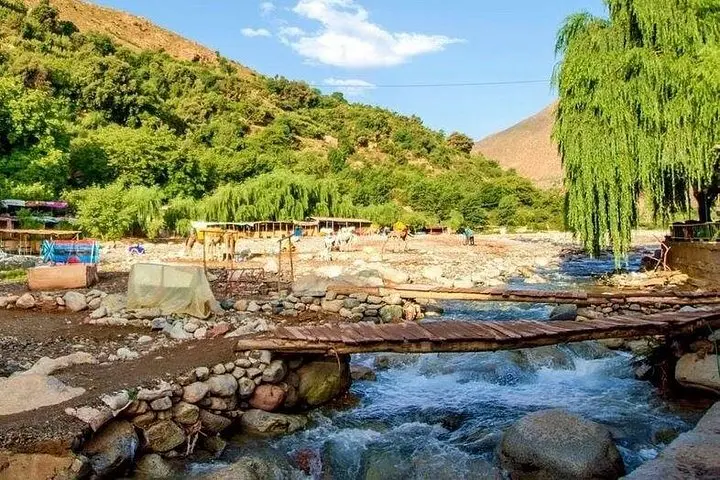
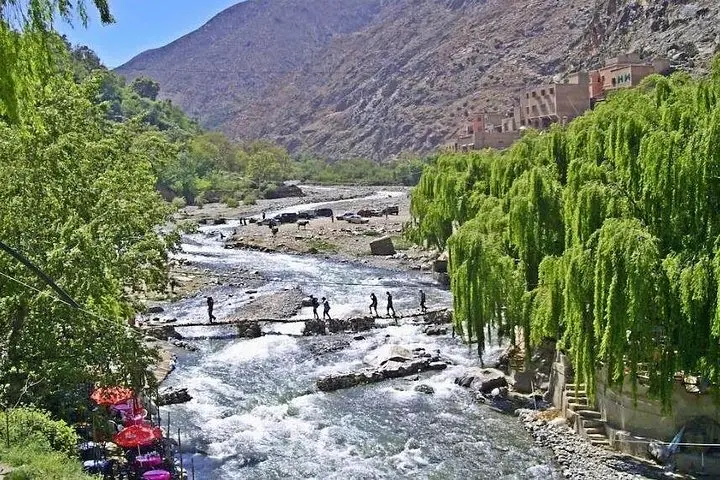
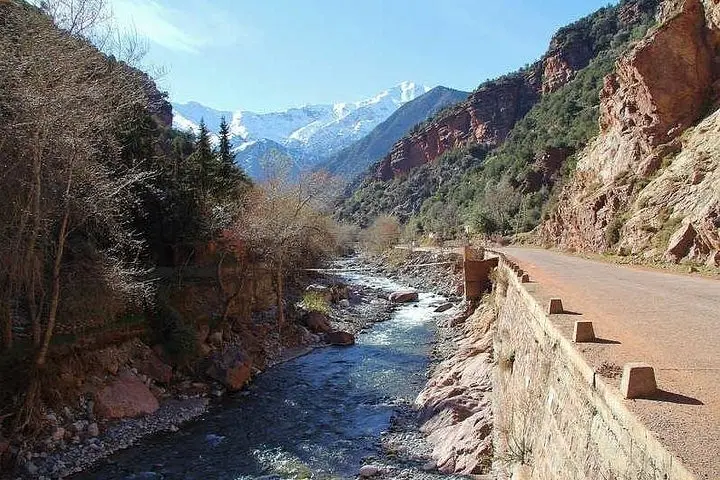
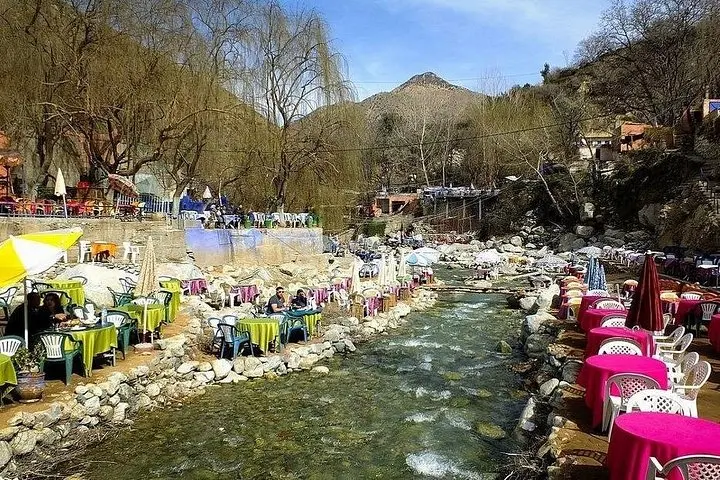
A dust-sweetened wind carries the smell of olive groves as your vehicle peels away from Marrakech and climbs toward the High Atlas foothills. By mid-morning the valley opens: terraced gardens, whitewashed houses, and a river that seems to dare you to follow it upstream. The village of Setti Fadma serves as basecamp—lunch here, then a 1–1.5 hour walk on rocky tracks to a series of stepped waterfalls.
A dust-sweetened wind carries the smell of olive groves as your vehicle peels away from Marrakech and climbs toward the High Atlas foothills. By mid-morning the valley opens: terraced gardens, whitewashed houses, and a river that seems to dare you to follow it upstream. The village of Setti Fadma serves as basecamp—lunch here, then a 1–1.5 hour walk on rocky tracks to a series of stepped waterfalls.
Geology and history shape every switchback. The High Atlas is young, uplifted rock folded by tectonic collision; streams cut through schist and limestone to create the narrow Ourika corridor. The valley is populated by Amazigh (Berber) communities with a longstanding agricultural life—irrigation terraces and olive groves visible from the road. Local homes and small markets offer a direct line to regional cuisine: tagines, fresh bread, and mint tea prepared in homes open to visitors.
Practical guidance: depart Marrakech early (pickups typically at 9:00), bring cash for small purchases and lunch if not included, and allow 1–2 hours for the falls walk on uneven trails. The trip is accessible by private transport and suitable for most fitness levels, but the paths can be steep and slippery after rain. Carry water, sun protection, and sturdy shoes; expect basic facilities in villages. If you want fewer crowds, ask to skip the Monday market or time your trip outside market day. Respect private homes when visiting local houses, and consider hiring a local guide at Setti Fadma to better understand trail choices and cultural context.