THE ADVENTURE COLLECTIVE® · Independent discovery and booking for outdoor travel

Follow the Ourika River into the lower High Atlas for a guided walk to the Seven Waterfalls, visits to Berber homes, and riverside tajines. Expect rocky trails, panoramic valley views, and cultural exchanges on a full-day trip from Marrakech.
Follow the Ourika River into the lower High Atlas for a guided walk to the Seven Waterfalls, visits to Berber homes, and riverside tajines. Expect rocky trails, panoramic valley views, and cultural exchanges on a full-day trip from Marrakech.
A cool mountain breeze meets the dust of the road as a minivan peels away from Marrakech and climbs toward the High Atlas. The river that carved the Ourika Valley slips alongside the road, daring you to follow its course upstream. By mid-morning the valley opens: terraced fields, olive groves, and stone hamlets perched on low ridges, with the promise of waterfalls tucked into a green throat of cedar and oak.
Verified experiences and guided adventures in the surrounding area.
Operated by Marrakech Mirage & Solo Babki Travel · Setti Fatma / Ourika Valley, Marrakech-Safi
A cool mountain breeze meets the dust of the road as a minivan peels away from Marrakech and climbs toward the High Atlas. The river that carved the Ourika Valley slips alongside the road, daring you to follow its course upstream. By mid-morning the valley opens: terraced fields, olive groves, and stone hamlets perched on low ridges, with the promise of waterfalls tucked into a green throat of cedar and oak.
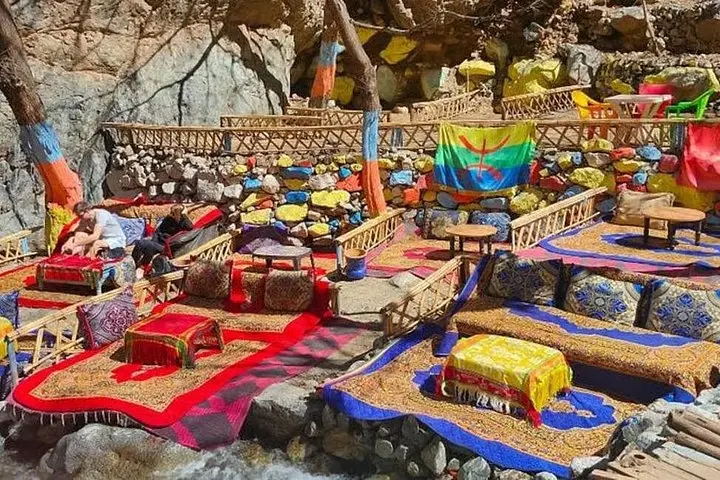
The valley has long been home to local Amazigh (Berber) communities who read land and water the way outsiders read maps—by seasons and soil. Geologically the corridor is a lower foothill drain of the Atlas, where winter snows feed spring swells and weathered schist frames the riverbed. Culture here is practical and visible: argan presses, riverside kitchens, and weekly souks in villages such as Tnine-Ourika.
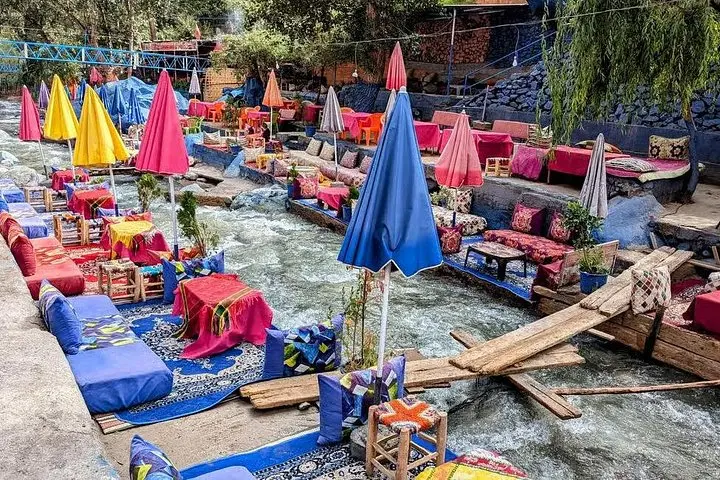
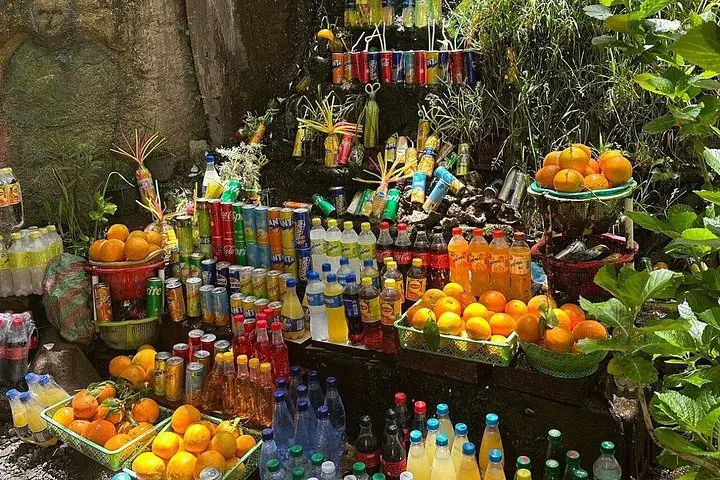
Visitors typically hike from Setti Fatma toward the Seven Waterfalls on rocky trails and narrow footpaths; expect uneven stone, occasional stream crossings, and viewpoints that reward steady climbing. The guided 1–1.5 hour walk is straightforward but demands good footwear and steady footing. Bring cash for small cooperatives or a riverside tajine; respect private homes and ask before photographing people.
Practical timing matters—arrive early to avoid crowds and higher afternoon heat. Hydrate, layer for a mountain microclimate, and plan a relaxed return to Marrakech to watch the sun lower the valley’s colors.
This is a day of approachable mountain hiking, local exchanges, and clear-water rewards—an accessible slice of Atlas life within an easy drive of Marrakech.
The guided hike typically lasts 1–1.5 hours each way on rocky, sometimes steep trails; pace depends on stops and fitness.
Short sections are family-friendly, but the trail includes uneven terrain and stream crossings—consider mobility and endurance before joining.
The tour normally includes transport and a guide; meals, drinks, and small cooperative visits are usually paid on-site with cash.
Yes, but flow varies: spring brings higher water from snowmelt, while late summer can reduce cascades to smaller falls.
Marrakech Mirage & Solo Babki Travel operates guided outdoor trips and adventures with an emphasis on safety, stewardship, and memorable experiences.
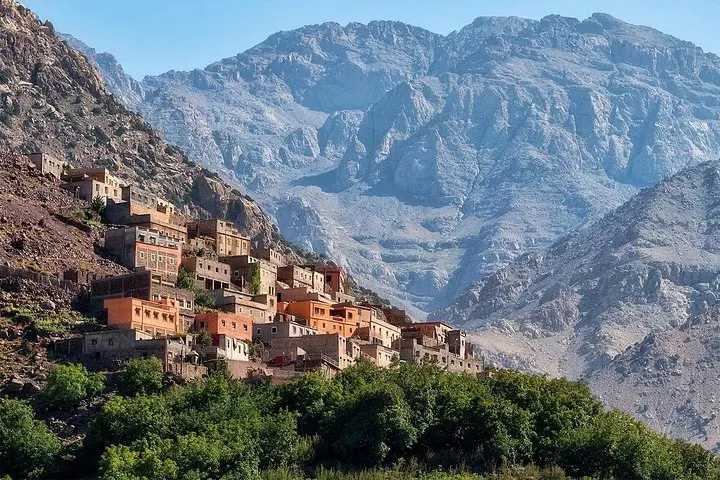
A cool mountain breeze meets the dust of the road as a minivan peels away from Marrakech and climbs toward the High Atlas. The river that carved the Ourika Valley slips alongside the road, daring you to follow its course upstream. By mid-morning the valley opens: terraced fields, olive groves, and stone hamlets perched on low ridges, with the promise of waterfalls tucked into a green throat of cedar and oak.
A cool mountain breeze meets the dust of the road as a minivan peels away from Marrakech and climbs toward the High Atlas. The river that carved the Ourika Valley slips alongside the road, daring you to follow its course upstream. By mid-morning the valley opens: terraced fields, olive groves, and stone hamlets perched on low ridges, with the promise of waterfalls tucked into a green throat of cedar and oak.
The valley has long been home to local Amazigh (Berber) communities who read land and water the way outsiders read maps—by seasons and soil. Geologically the corridor is a lower foothill drain of the Atlas, where winter snows feed spring swells and weathered schist frames the riverbed. Culture here is practical and visible: argan presses, riverside kitchens, and weekly souks in villages such as Tnine-Ourika.
Visitors typically hike from Setti Fatma toward the Seven Waterfalls on rocky trails and narrow footpaths; expect uneven stone, occasional stream crossings, and viewpoints that reward steady climbing. The guided 1–1.5 hour walk is straightforward but demands good footwear and steady footing. Bring cash for small cooperatives or a riverside tajine; respect private homes and ask before photographing people.
Practical timing matters—arrive early to avoid crowds and higher afternoon heat. Hydrate, layer for a mountain microclimate, and plan a relaxed return to Marrakech to watch the sun lower the valley’s colors.
This is a day of approachable mountain hiking, local exchanges, and clear-water rewards—an accessible slice of Atlas life within an easy drive of Marrakech.