THE ADVENTURE COLLECTIVE® · Independent discovery and booking for outdoor travel

Escape Marrakech for a day into the Ourika Valley to sip mint tea in a Berber house, ride a camel and hike to the seven waterfalls near Setti Fatma. This full-day trip blends gentle trekking, cultural visits and riverside scenery in the foothills of the High Atlas.
Escape Marrakech for a day into the Ourika Valley to sip mint tea in a Berber house, ride a camel and hike to the seven waterfalls near Setti Fatma. This full-day trip blends gentle trekking, cultural visits and riverside scenery in the foothills of the High Atlas.
You leave Marrakech’s ochre walls and within an hour the air changes — dust gives way to green terraces and the Ourika River threads cool through the valley. The road climbs into the High Atlas foothills and the village of Setti Fatma feels like a deliberate pause: a cluster of stone houses, tea steaming on low tables, and the distant chatter of water over rock.
Verified experiences and guided adventures in the surrounding area.
Operated by Discover Morocco Tours · Setti Fatma / Ourika Valley, Marrakech-Safi
You leave Marrakech’s ochre walls and within an hour the air changes — dust gives way to green terraces and the Ourika River threads cool through the valley. The road climbs into the High Atlas foothills and the village of Setti Fatma feels like a deliberate pause: a cluster of stone houses, tea steaming on low tables, and the distant chatter of water over rock.
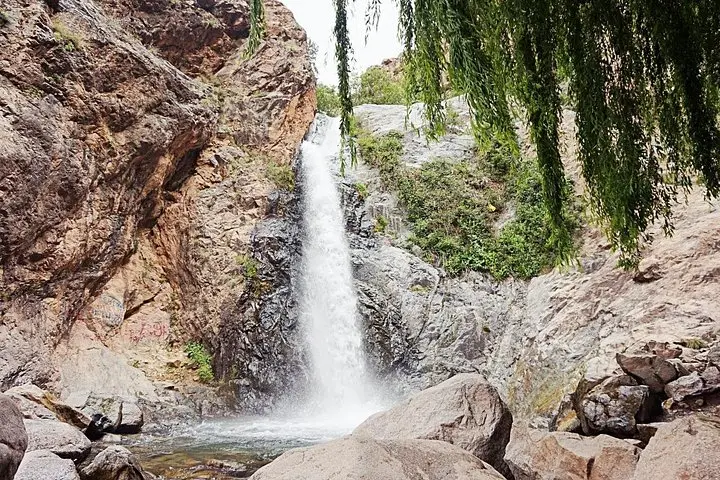
The Ourika Valley is shaped by the Atlas’s geology: volcanic and sedimentary slopes channel runoff into a series of cascades that form the famous “seven waterfalls” near Setti Fatma. The valley has long been inhabited by Amazigh (Berber) communities whose terraced agriculture and simple river mills reflect centuries of adapting to seasonal water flows.
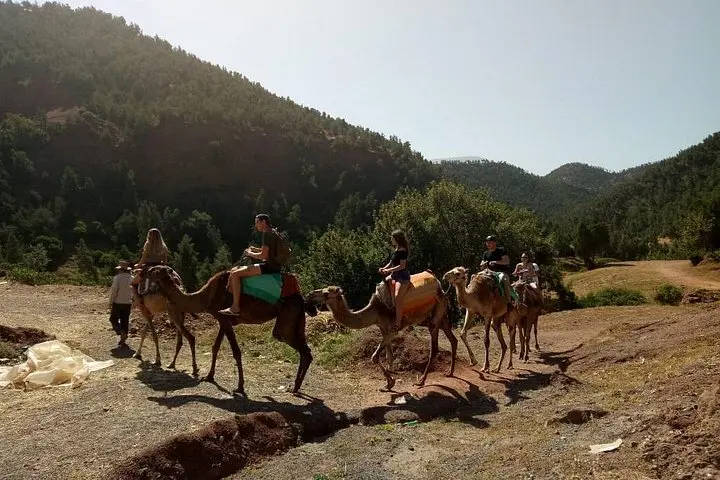
On a full-day excursion from Marrakech you’ll visit a Berber house for mint tea and breakfast, spend about half an hour on a camel, then follow riverside trails toward the waterfalls. Trails range from flat paths to short, stepped sections and slippery rock; the upper pools are quieter but steeper. Guides often point out local herbs, irrigation terraces and small craft stalls in Ourika village.
Practical side: bring closed-toe shoes with grip, carry at least 1–2 liters of water, and time your visit for morning or late afternoon to avoid the hottest hours and peak crowds. Respect private homes when visiting a Berber house, carry cash for small purchases and tips, and leave no trace on the riverbanks — the valley’s beauty depends on small, sustainable choices by visitors.
The drive to Ourika Valley is roughly 45–60 minutes each way depending on traffic; the full excursion is about 8 hours.
The path includes flat riverside sections and short, stepped climbs to upper pools — it's considered easy and suitable for most fitness levels, though slippery rocks require care.
A Moroccan breakfast and mint tea at a Berber house are typically included; vegetarian options are available if requested in advance.
Yes — bring small bills for market stalls, tips, and incidental purchases since many vendors do not accept cards.
Discover Morocco Tours operates guided outdoor trips and adventures with an emphasis on safety, stewardship, and memorable experiences.
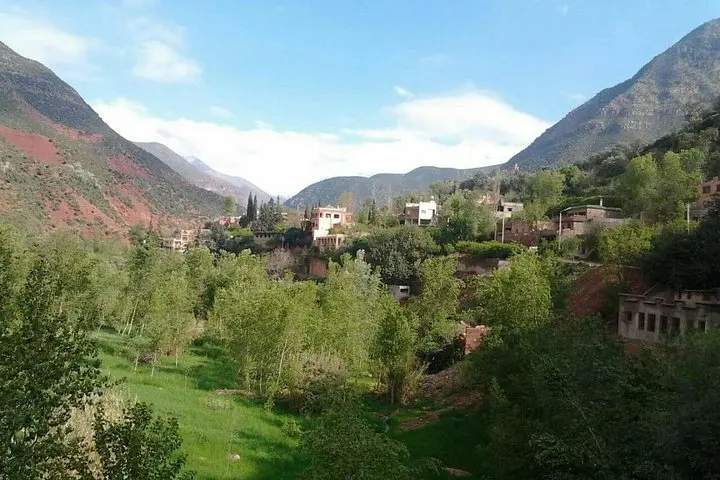
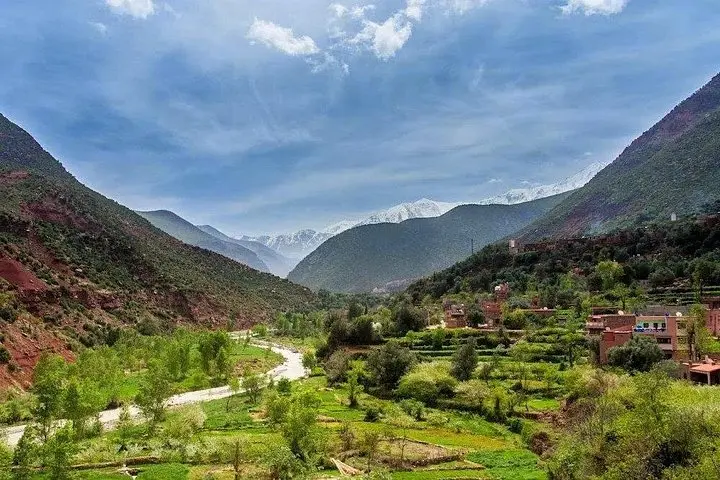
You leave Marrakech’s ochre walls and within an hour the air changes — dust gives way to green terraces and the Ourika River threads cool through the valley. The road climbs into the High Atlas foothills and the village of Setti Fatma feels like a deliberate pause: a cluster of stone houses, tea steaming on low tables, and the distant chatter of water over rock.
You leave Marrakech’s ochre walls and within an hour the air changes — dust gives way to green terraces and the Ourika River threads cool through the valley. The road climbs into the High Atlas foothills and the village of Setti Fatma feels like a deliberate pause: a cluster of stone houses, tea steaming on low tables, and the distant chatter of water over rock.
The Ourika Valley is shaped by the Atlas’s geology: volcanic and sedimentary slopes channel runoff into a series of cascades that form the famous “seven waterfalls” near Setti Fatma. The valley has long been inhabited by Amazigh (Berber) communities whose terraced agriculture and simple river mills reflect centuries of adapting to seasonal water flows.
On a full-day excursion from Marrakech you’ll visit a Berber house for mint tea and breakfast, spend about half an hour on a camel, then follow riverside trails toward the waterfalls. Trails range from flat paths to short, stepped sections and slippery rock; the upper pools are quieter but steeper. Guides often point out local herbs, irrigation terraces and small craft stalls in Ourika village.
Practical side: bring closed-toe shoes with grip, carry at least 1–2 liters of water, and time your visit for morning or late afternoon to avoid the hottest hours and peak crowds. Respect private homes when visiting a Berber house, carry cash for small purchases and tips, and leave no trace on the riverbanks — the valley’s beauty depends on small, sustainable choices by visitors.