THE ADVENTURE COLLECTIVE® · Independent discovery and booking for outdoor travel

Escape Marrakech for the Ourika Valley’s river-carved slopes and Setti Fatma’s seven waterfalls. This full-day trip blends gentle hikes, Berber village stops, and an argan cooperative visit for a practical taste of the High Atlas foothills.
Escape Marrakech for the Ourika Valley’s river-carved slopes and Setti Fatma’s seven waterfalls. This full-day trip blends gentle hikes, Berber village stops, and an argan cooperative visit for a practical taste of the High Atlas foothills.
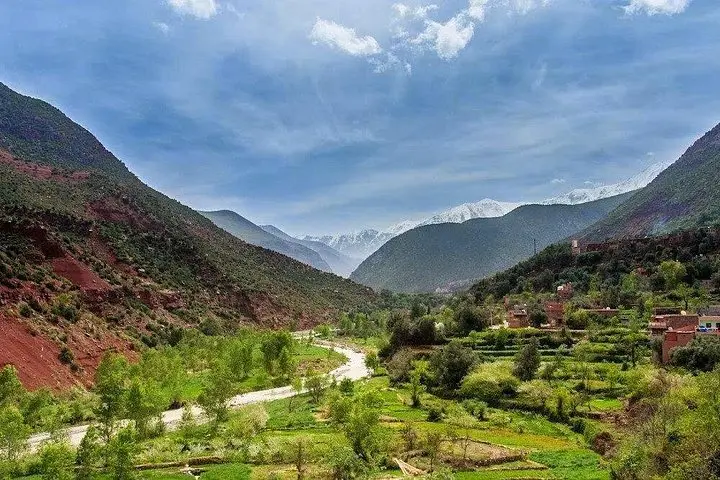
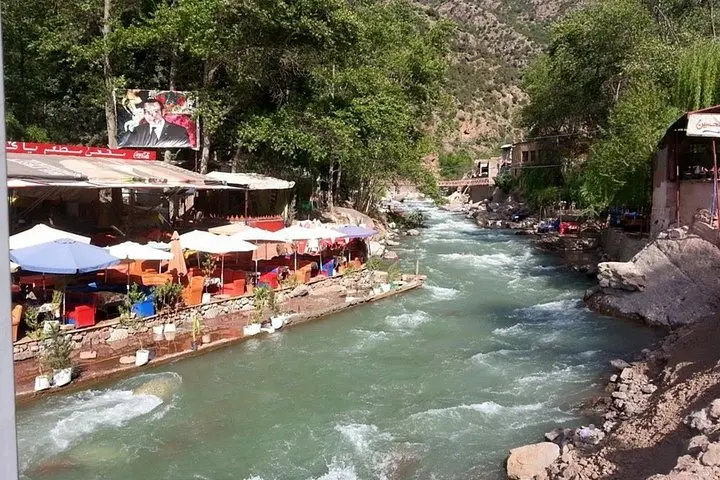
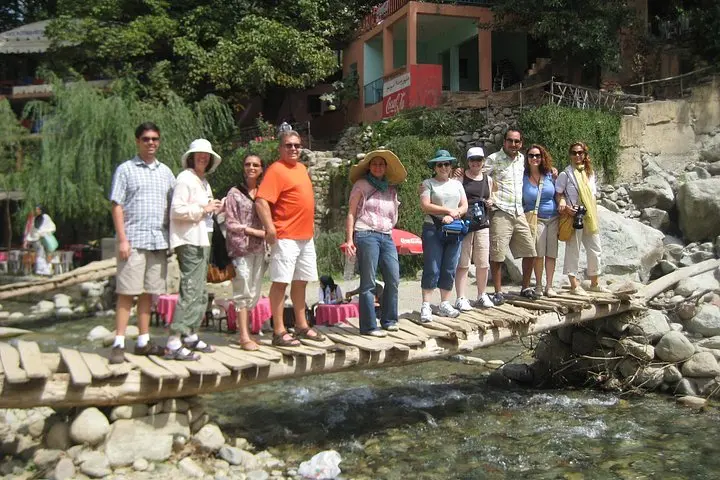
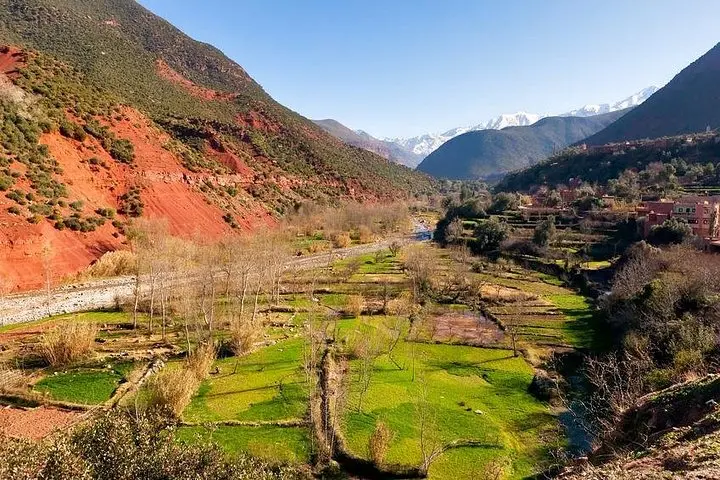
A sun-warmed minivan pulls out of Marrakech and the city’s tile-clad bustle gives way to olive-splashed foothills. The Ourika River threads the valley below steep ridges; it dares you forward with constant, clear noise. By mid-morning you’re stepping onto rocky footpaths toward Setti Fatma’s famed cascades — seven falls carved into High Atlas stone — while local guides point out terraced gardens and low-slung Berber camps.
Verified experiences and guided adventures in the surrounding area.
Operated by Tafraout Voyage · Setti Fatma, Marrakech-Safi
A sun-warmed minivan pulls out of Marrakech and the city’s tile-clad bustle gives way to olive-splashed foothills. The Ourika River threads the valley below steep ridges; it dares you forward with constant, clear noise. By mid-morning you’re stepping onto rocky footpaths toward Setti Fatma’s famed cascades — seven falls carved into High Atlas stone — while local guides point out terraced gardens and low-slung Berber camps.
The valley sits on the southern flank of the High Atlas, a young mountain front shaped by tectonic uplift and erosion; granite outcrops and shale beds show the violent geology that made these slopes. Culturally, families in the valley maintain subsistence terraces and cooperative argan presses where women produce the oil sold in Marrakech markets. The guide will often pause to explain techniques and the social role of cooperatives.
Expect 2–3 hours of walking on uneven trails with short, steep sections and stream crossings — terrain that rewards sturdy shoes and steady pacing. The waterfalls are scenic, accessible, and popular; early arrival or a midweek visit reduces crowds. Pack at least 1.5 liters of water, sun protection, and a light layer for higher-elevation breezes. Photography is excellent at the cascades and along river bends; respect private camp areas and ask before entering homes.
Practicalities: the tour runs about 8–9 hours including hotel pickup by air-conditioned minivan and returns to Marrakech. Fitness of a moderate level is recommended; children can join with supervision. The trip balances landscape, gentle hiking, and cultural encounters — an approachable intro to the Atlas foothills with tangible local connections.
The walking portion is typically 2–3 hours round trip depending on stops and pace, on uneven terrain with some steep segments.
Yes—this full-day tour includes hotel pickup and drop-off in Marrakech via air-conditioned minivan.
Children are allowed but must be supervised; the itinerary notes that kids should be accompanied by an adult and terrain may be challenging for very young children.
Yes—stops at local argan cooperatives and village stalls are common; purchases directly support community producers.
Tafraout Voyage operates guided outdoor trips and adventures with an emphasis on safety, stewardship, and memorable experiences.
A sun-warmed minivan pulls out of Marrakech and the city’s tile-clad bustle gives way to olive-splashed foothills. The Ourika River threads the valley below steep ridges; it dares you forward with constant, clear noise. By mid-morning you’re stepping onto rocky footpaths toward Setti Fatma’s famed cascades — seven falls carved into High Atlas stone — while local guides point out terraced gardens and low-slung Berber camps.
A sun-warmed minivan pulls out of Marrakech and the city’s tile-clad bustle gives way to olive-splashed foothills. The Ourika River threads the valley below steep ridges; it dares you forward with constant, clear noise. By mid-morning you’re stepping onto rocky footpaths toward Setti Fatma’s famed cascades — seven falls carved into High Atlas stone — while local guides point out terraced gardens and low-slung Berber camps.
The valley sits on the southern flank of the High Atlas, a young mountain front shaped by tectonic uplift and erosion; granite outcrops and shale beds show the violent geology that made these slopes. Culturally, families in the valley maintain subsistence terraces and cooperative argan presses where women produce the oil sold in Marrakech markets. The guide will often pause to explain techniques and the social role of cooperatives.
Expect 2–3 hours of walking on uneven trails with short, steep sections and stream crossings — terrain that rewards sturdy shoes and steady pacing. The waterfalls are scenic, accessible, and popular; early arrival or a midweek visit reduces crowds. Pack at least 1.5 liters of water, sun protection, and a light layer for higher-elevation breezes. Photography is excellent at the cascades and along river bends; respect private camp areas and ask before entering homes.
Practicalities: the tour runs about 8–9 hours including hotel pickup by air-conditioned minivan and returns to Marrakech. Fitness of a moderate level is recommended; children can join with supervision. The trip balances landscape, gentle hiking, and cultural encounters — an approachable intro to the Atlas foothills with tangible local connections.