THE ADVENTURE COLLECTIVE® · Independent discovery and booking for outdoor travel

Escape Marrakech for a full day in the Ourika Valley: short waterfall hikes, a lively Berber market, and panoramic Atlas foothills. This accessible trip combines roadside viewpoints, village life in Setti Fatma, and easy walks to river-fed cascades.
Escape Marrakech for a full day in the Ourika Valley: short waterfall hikes, a lively Berber market, and panoramic Atlas foothills. This accessible trip combines roadside viewpoints, village life in Setti Fatma, and easy walks to river-fed cascades.
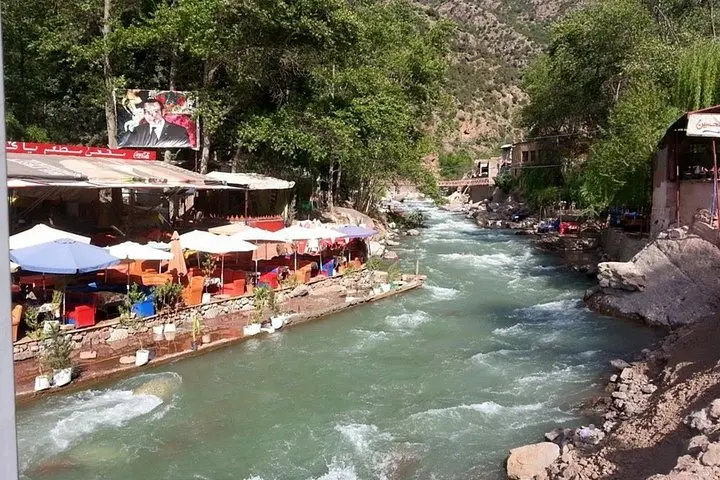
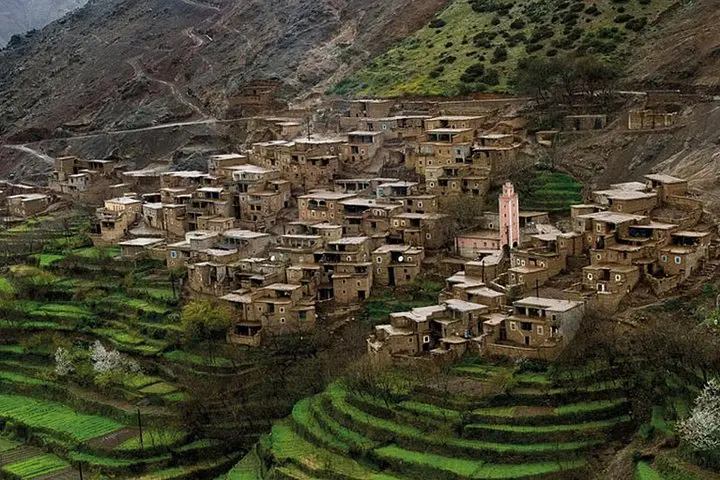
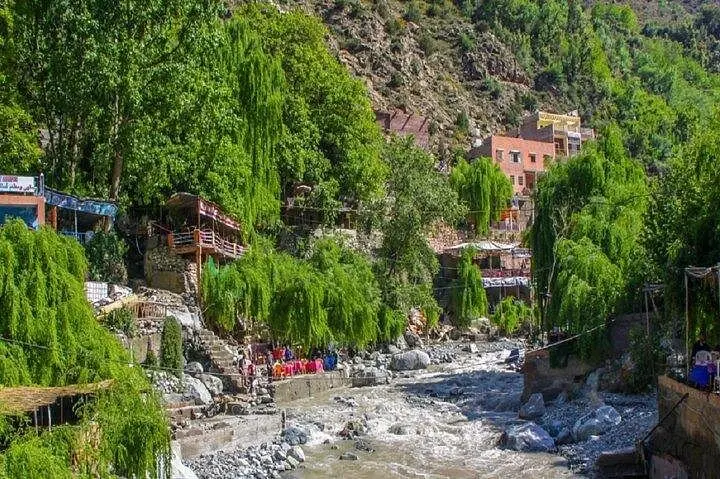
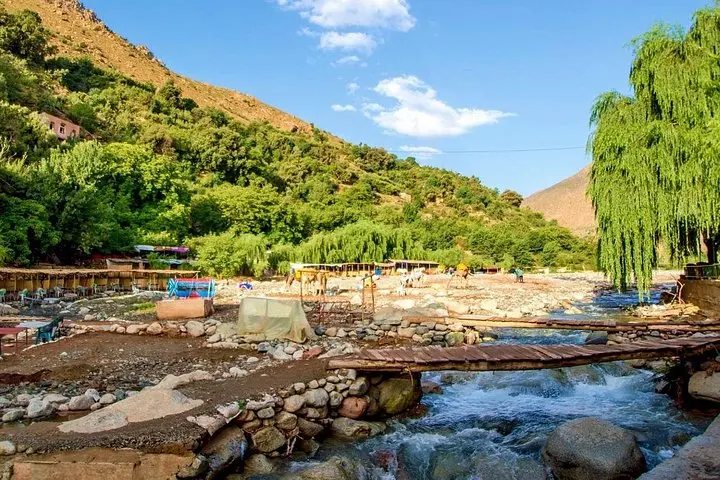
The road slips out of Marrakech and the air changes: dust and city noise give way to olive groves and terraces cut into the lower flanks of the High Atlas. By mid-morning the minibus slows for the river—narrow, insistent, and already carving its path toward distant peaks—before dropping you at Setti Fatma, a village whose stone houses press close to the water.
Verified experiences and guided adventures in the surrounding area.
Operated by Ando Travel SARL · Setti Fatma, Marrakech-Safi
The road slips out of Marrakech and the air changes: dust and city noise give way to olive groves and terraces cut into the lower flanks of the High Atlas. By mid-morning the minibus slows for the river—narrow, insistent, and already carving its path toward distant peaks—before dropping you at Setti Fatma, a village whose stone houses press close to the water.
Geology here is visible: jagged, schist-studded ridges rise from valley alluvium, feeding cascades that have shaped local terraces and irrigation patterns for centuries. The Ourika has been a lifeline to Berber communities; small markets pulse with handwoven textiles, argan oil, and sun-dried fruit, a practical economy rooted in mountain microclimates.
Expect easy, guided walks to the lower waterfalls—sections are stepped and can be slippery after rain—but also time to browse a local market and ask about traditional agriculture. The group format and included hotel pickup make logistics simple: the drive is part of the experience, offering switchback views and quick stops at roadside viewpoints.
Practical side: bring sturdy, grippy shoes for wet rocks, 1–2 liters of water, and a lightweight layer for higher-elevation breezes. Mornings bring softer light and fewer tourists; afternoons can be busy at the most accessible falls. Mobile reception is patchy once you turn into the valley—use it to photograph, not to plan route changes. For families or first-time visitors to the Atlas, this full-day trip delivers accessible mountain scenery, tangible cultural moments, and the kind of river-fed relief that makes a day away from Marrakech feel like a proper reset.
The round-trip drive is about 45–60 minutes each way to the main Ourika access points, depending on traffic and exact pickup location.
Yes—walks to the lower falls are family-friendly, but supervise children near riverbanks and slippery rocks.
Transportation and guide services are included; local food and drinks at village stalls are usually extra and paid on-site.
The tour operates in most weather, but heavy rain or unsafe road conditions may cause cancellation—check cancellation terms for refunds.
Ando Travel SARL operates guided outdoor trips and adventures with an emphasis on safety, stewardship, and memorable experiences.
The road slips out of Marrakech and the air changes: dust and city noise give way to olive groves and terraces cut into the lower flanks of the High Atlas. By mid-morning the minibus slows for the river—narrow, insistent, and already carving its path toward distant peaks—before dropping you at Setti Fatma, a village whose stone houses press close to the water.
The road slips out of Marrakech and the air changes: dust and city noise give way to olive groves and terraces cut into the lower flanks of the High Atlas. By mid-morning the minibus slows for the river—narrow, insistent, and already carving its path toward distant peaks—before dropping you at Setti Fatma, a village whose stone houses press close to the water.
Geology here is visible: jagged, schist-studded ridges rise from valley alluvium, feeding cascades that have shaped local terraces and irrigation patterns for centuries. The Ourika has been a lifeline to Berber communities; small markets pulse with handwoven textiles, argan oil, and sun-dried fruit, a practical economy rooted in mountain microclimates.
Expect easy, guided walks to the lower waterfalls—sections are stepped and can be slippery after rain—but also time to browse a local market and ask about traditional agriculture. The group format and included hotel pickup make logistics simple: the drive is part of the experience, offering switchback views and quick stops at roadside viewpoints.
Practical side: bring sturdy, grippy shoes for wet rocks, 1–2 liters of water, and a lightweight layer for higher-elevation breezes. Mornings bring softer light and fewer tourists; afternoons can be busy at the most accessible falls. Mobile reception is patchy once you turn into the valley—use it to photograph, not to plan route changes. For families or first-time visitors to the Atlas, this full-day trip delivers accessible mountain scenery, tangible cultural moments, and the kind of river-fed relief that makes a day away from Marrakech feel like a proper reset.