THE ADVENTURE COLLECTIVE® · Independent discovery and booking for outdoor travel

Escape Marrakech for a half-day into the green Ourika Valley: ride a camel across valley flats, visit a women-run argan cooperative and hike to a mountainside waterfall. This concise outing blends culture, light hiking and memorable views.
Escape Marrakech for a half-day into the green Ourika Valley: ride a camel across valley flats, visit a women-run argan cooperative and hike to a mountainside waterfall. This concise outing blends culture, light hiking and memorable views.
You leave Marrakech’s sun-baked ramparts and drive south into the lower Atlas foothills, where the city’s ochre fades into orchard green. The road narrows, an air-conditioned minivan or 4x4 carving through olive terraces; the Ourika River appears as a silver thread, daring you to follow. In the valley villages, flat-roofed stone houses and terraced fields speak of Berber life sustained by seasonal streams and ancient irrigation.
Verified experiences and guided adventures in the surrounding area.
Operated by Arwa-Travel · Ourika Valley, Marrakech-Safi
You leave Marrakech’s sun-baked ramparts and drive south into the lower Atlas foothills, where the city’s ochre fades into orchard green. The road narrows, an air-conditioned minivan or 4x4 carving through olive terraces; the Ourika River appears as a silver thread, daring you to follow. In the valley villages, flat-roofed stone houses and terraced fields speak of Berber life sustained by seasonal streams and ancient irrigation.
Geology here is straightforward: folded sedimentary slopes of the High Atlas give way to softer alluvial terraces, where fast-flowing tributaries cut gullies and feed waterfalls. The argan tree—a hardy, gnarled native—dots the hills; its oil has shaped local economies and earned global interest. Cultural highlights include a visit to a women-run argan co-operative to see hand-pressing methods, a brief camel ride across the valley’s low dunes and herbs, and a guided walk toward the mountainside cascades at Setti Fatma.
Expect an easy-paced outing: short walks over uneven, sometimes rocky ground, river crossings on foot, and village paths. The weekly market (Mondays and Saturdays) adds sensory color if your timing aligns. Practicalities: wear sturdy shoes, modest clothing, sun protection and bring water; pickups from central riads are standard, and the full loop fits into a half-day (about five hours including transit and stops). For photographers and day hikers, the valley offers striking contrasts—cool riverbanks, orchard shade and sudden cliff faces—without demanding technical gear. Respect local customs, support certified argan producers, and stay on marked paths to minimize erosion and disturbance.
Drive time is typically 45–60 minutes each way, depending on traffic and exact pickup location in Marrakech.
Yes—camel rides in the valley are short and family-friendly; operators usually provide assistance and caution for first-time riders.
No; the guided walk to the lower Setti Fatma cascades is short and moderate, but paths are uneven—wear good shoes.
Yes; most cooperatives sell hand-pressed argan oil and related products—look for fair-trade labelling and avoid overly packaged tourist goods.
Arwa-Travel operates guided outdoor trips and adventures with an emphasis on safety, stewardship, and memorable experiences.
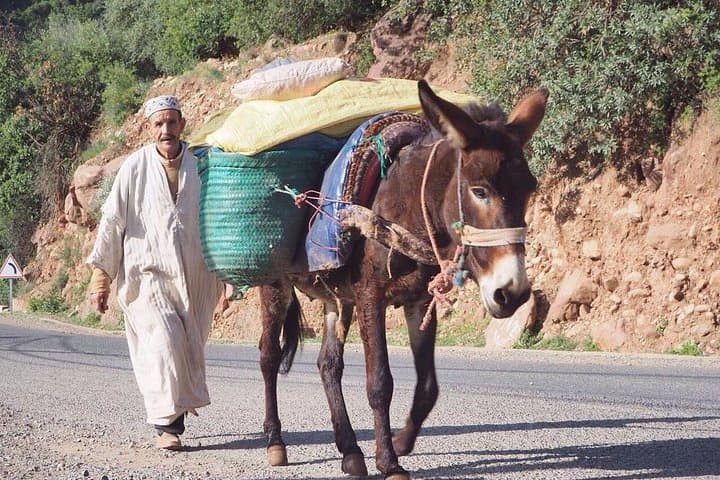
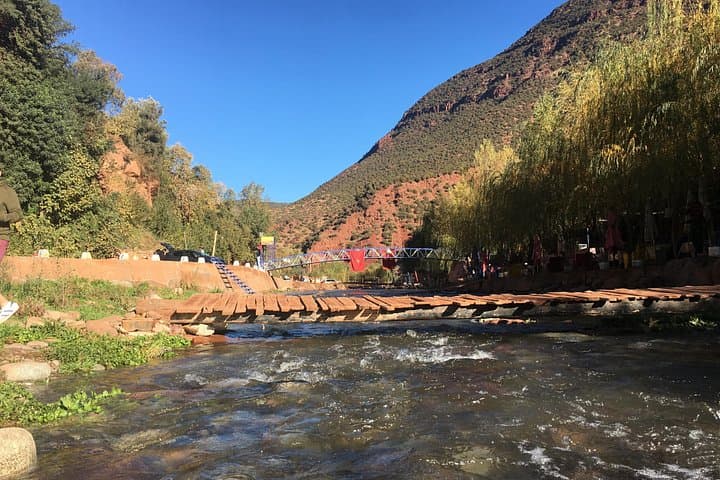
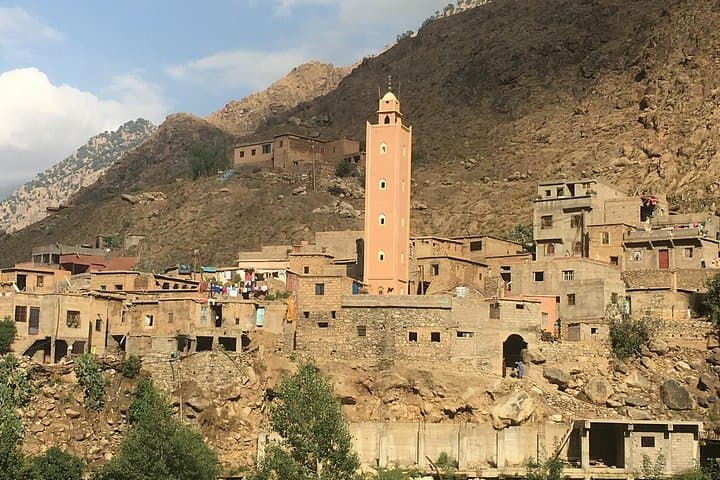
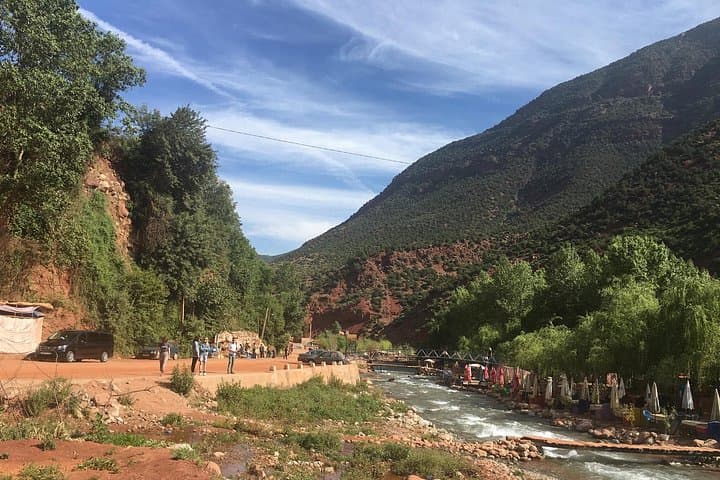
You leave Marrakech’s sun-baked ramparts and drive south into the lower Atlas foothills, where the city’s ochre fades into orchard green. The road narrows, an air-conditioned minivan or 4x4 carving through olive terraces; the Ourika River appears as a silver thread, daring you to follow. In the valley villages, flat-roofed stone houses and terraced fields speak of Berber life sustained by seasonal streams and ancient irrigation.
You leave Marrakech’s sun-baked ramparts and drive south into the lower Atlas foothills, where the city’s ochre fades into orchard green. The road narrows, an air-conditioned minivan or 4x4 carving through olive terraces; the Ourika River appears as a silver thread, daring you to follow. In the valley villages, flat-roofed stone houses and terraced fields speak of Berber life sustained by seasonal streams and ancient irrigation.
Geology here is straightforward: folded sedimentary slopes of the High Atlas give way to softer alluvial terraces, where fast-flowing tributaries cut gullies and feed waterfalls. The argan tree—a hardy, gnarled native—dots the hills; its oil has shaped local economies and earned global interest. Cultural highlights include a visit to a women-run argan co-operative to see hand-pressing methods, a brief camel ride across the valley’s low dunes and herbs, and a guided walk toward the mountainside cascades at Setti Fatma.
Expect an easy-paced outing: short walks over uneven, sometimes rocky ground, river crossings on foot, and village paths. The weekly market (Mondays and Saturdays) adds sensory color if your timing aligns. Practicalities: wear sturdy shoes, modest clothing, sun protection and bring water; pickups from central riads are standard, and the full loop fits into a half-day (about five hours including transit and stops). For photographers and day hikers, the valley offers striking contrasts—cool riverbanks, orchard shade and sudden cliff faces—without demanding technical gear. Respect local customs, support certified argan producers, and stay on marked paths to minimize erosion and disturbance.