THE ADVENTURE COLLECTIVE® · Independent discovery and booking for outdoor travel

Escape Marrakech for a private day in the Ourika Valley—argan cooperatives, a Berber house visit and a guided walk to mountain waterfalls. This 6–9 hour trip blends cultural insight with short, scenic hikes suitable for travelers in moderate shape.
Escape Marrakech for a private day in the Ourika Valley—argan cooperatives, a Berber house visit and a guided walk to mountain waterfalls. This 6–9 hour trip blends cultural insight with short, scenic hikes suitable for travelers in moderate shape.
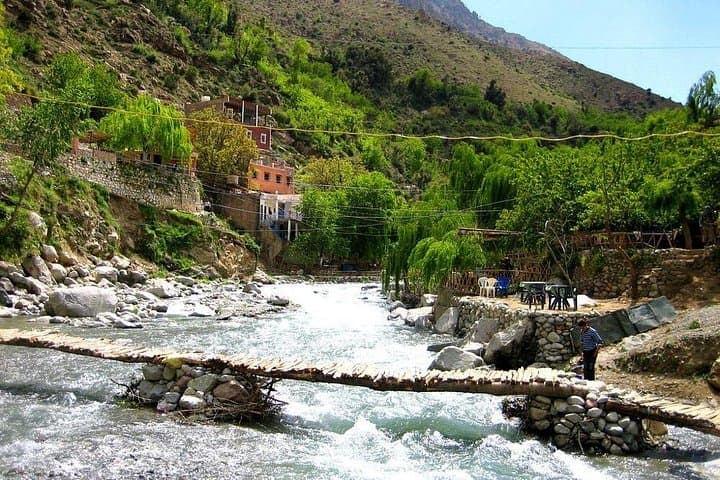
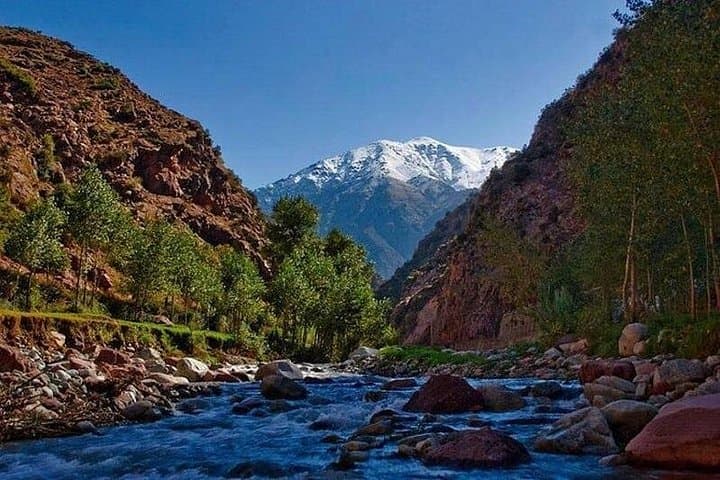
The minivan eases out of Marrakech and the city heat peels away, replaced by wind that pushes across terraced slopes and olive groves. In the Ourika Valley, the road threads past argan trees and small farms; distant peaks of the High Atlas hold the skyline like a slow-moving wall. Within a short drive, the valley’s sounds sharpen—water over stone, children calling, the hiss of mint tea being poured.
Verified experiences and guided adventures in the surrounding area.
Operated by SAHARA SUNSETS sarl · Ourika, Marrakech-Safi
The minivan eases out of Marrakech and the city heat peels away, replaced by wind that pushes across terraced slopes and olive groves. In the Ourika Valley, the road threads past argan trees and small farms; distant peaks of the High Atlas hold the skyline like a slow-moving wall. Within a short drive, the valley’s sounds sharpen—water over stone, children calling, the hiss of mint tea being poured.
Centuries of Berber farming shaped these slopes into stepped fields; the valley has long been a seasonal refuge for Marrakech families and a corridor for mountain trade. Geologically, the area is young folded rock of the High Atlas, cut by seasonal streams that swell in spring snowmelt and carve shelves and pools on their way down. Cultural notes are immediate: a stop at an argan cooperative shows traditional oil presses, and a Berber house visit demonstrates mint tea ritual and home cooking.
Practically, a private day trip runs 6–9 hours including transport. Expect short guided walks—stony paths and stepped trails—to several small waterfalls near Setti Fatma, roughly 2–4 km roundtrip with up to ~200 m elevation gain on uneven footing. Trails can be slippery after rain; local guides pace groups and point out terraces, medicinal plants and local life. Bring sturdy shoes, sun protection and at least 1–2 liters of water. Dress modestly for village visits and carry small change for cooperatives and tips. Plan a morning departure to beat afternoon heat and to allow time for a relaxed tea with a Berber family before the return drive to Marrakech.
Typical drive time is 45–75 minutes each way depending on traffic and exact pickup location.
No—walks are short but on uneven, sometimes steep stone paths; moderate fitness and good footwear are recommended.
Bottled water is included and many tours include a light refreshment or tea at a Berber house; confirm meal details with the operator before booking.
Infants and small children can ride in a stroller in some parts, but the waterfall trails are uneven—parents should plan to carry small children where steps are steep.
SAHARA SUNSETS sarl operates guided outdoor trips and adventures with an emphasis on safety, stewardship, and memorable experiences.
The minivan eases out of Marrakech and the city heat peels away, replaced by wind that pushes across terraced slopes and olive groves. In the Ourika Valley, the road threads past argan trees and small farms; distant peaks of the High Atlas hold the skyline like a slow-moving wall. Within a short drive, the valley’s sounds sharpen—water over stone, children calling, the hiss of mint tea being poured.
The minivan eases out of Marrakech and the city heat peels away, replaced by wind that pushes across terraced slopes and olive groves. In the Ourika Valley, the road threads past argan trees and small farms; distant peaks of the High Atlas hold the skyline like a slow-moving wall. Within a short drive, the valley’s sounds sharpen—water over stone, children calling, the hiss of mint tea being poured.
Centuries of Berber farming shaped these slopes into stepped fields; the valley has long been a seasonal refuge for Marrakech families and a corridor for mountain trade. Geologically, the area is young folded rock of the High Atlas, cut by seasonal streams that swell in spring snowmelt and carve shelves and pools on their way down. Cultural notes are immediate: a stop at an argan cooperative shows traditional oil presses, and a Berber house visit demonstrates mint tea ritual and home cooking.
Practically, a private day trip runs 6–9 hours including transport. Expect short guided walks—stony paths and stepped trails—to several small waterfalls near Setti Fatma, roughly 2–4 km roundtrip with up to ~200 m elevation gain on uneven footing. Trails can be slippery after rain; local guides pace groups and point out terraces, medicinal plants and local life. Bring sturdy shoes, sun protection and at least 1–2 liters of water. Dress modestly for village visits and carry small change for cooperatives and tips. Plan a morning departure to beat afternoon heat and to allow time for a relaxed tea with a Berber family before the return drive to Marrakech.