THE ADVENTURE COLLECTIVE® · Independent discovery and booking for outdoor travel

Escape Marrakech for a day and follow the Ourika River into the High Atlas—where short hikes lead to waterfalls, traditional Berber houses, and terrace farms. This private day trip mixes scenic drives, cultural stops and manageable trails suitable for moderately fit travelers.
Escape Marrakech for a day and follow the Ourika River into the High Atlas—where short hikes lead to waterfalls, traditional Berber houses, and terrace farms. This private day trip mixes scenic drives, cultural stops and manageable trails suitable for moderately fit travelers.
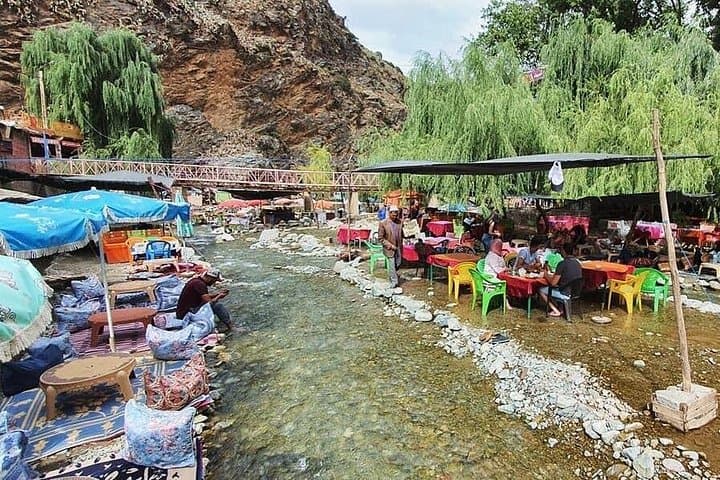
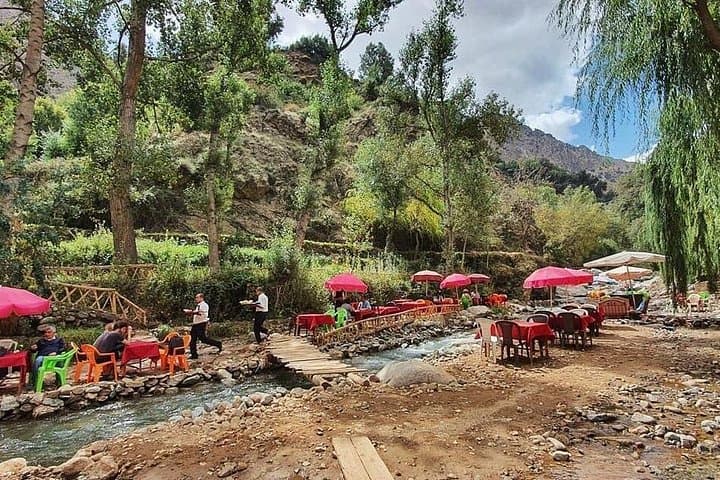
You leave Marrakech’s ochre walls behind and the road climbs into the High Atlas, the city noise falling away as terraced fields and olive groves take over. By midmorning the valley narrows: cliffs press in, the Ourika River threads the canyon and the air smells of river stone and mint. Small stone villages dot the slopes; children wave from flat roofs as your guide steers toward the village at the valley’s end and the network of short trails that lead up to the waterfalls.
Verified experiences and guided adventures in the surrounding area.
Operated by lifetour · Ourika, Marrakesh-Safi
You leave Marrakech’s ochre walls behind and the road climbs into the High Atlas, the city noise falling away as terraced fields and olive groves take over. By midmorning the valley narrows: cliffs press in, the Ourika River threads the canyon and the air smells of river stone and mint. Small stone villages dot the slopes; children wave from flat roofs as your guide steers toward the village at the valley’s end and the network of short trails that lead up to the waterfalls.
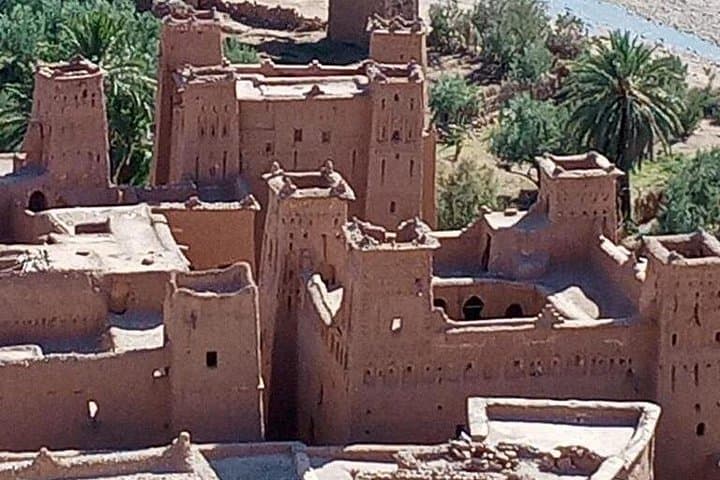
The valley is shaped by glacial and fluvial forces: granite ridges and alluvial fans feed the river that carved the canyon over millennia. The region has long been home to Amazigh (Berber) communities whose terraced agriculture, irrigation channels and argan trees reflect a resilient mountain culture. Along the way you may visit an organic garden and a traditional Berber house where mint tea is served in the shade.
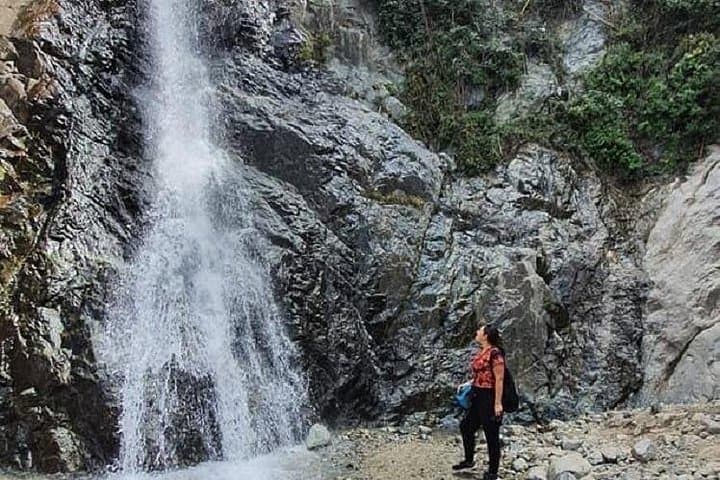
Expect a mix of easy road-side stops and two or three steeper trail sections to reach the cascades—most waterfall hikes are short but can be rocky and slippery. The full outing is a day trip (about 8–9 hours including transfers) with door-to-door pickup in Marrakech and transport in an air-conditioned vehicle. Bring sturdy shoes, layered clothing, sun protection, and local cash for small purchases and tips. Plan for spring for blossoms, and early morning or late afternoon light if you want the best photos. The trip is ideal for those seeking a manageable mountain escape with cultural stops and short hikes rather than technical mountaineering.
Yes—this private tour offers door-to-door pickup and drop-off from accommodations in Marrakech.
The hikes involve uneven, sometimes steep sections; most visitors manage them with moderate fitness and proper footwear.
Lunch is typically not included—there are local cafés in the valley, but bringing snacks or having cash for a meal is recommended.
Yes, but spring (blossom season) and early summer are popular; winter can be cooler and trails wetter, while heavy rain may affect accessibility.
lifetour operates guided outdoor trips and adventures with an emphasis on safety, stewardship, and memorable experiences.
You leave Marrakech’s ochre walls behind and the road climbs into the High Atlas, the city noise falling away as terraced fields and olive groves take over. By midmorning the valley narrows: cliffs press in, the Ourika River threads the canyon and the air smells of river stone and mint. Small stone villages dot the slopes; children wave from flat roofs as your guide steers toward the village at the valley’s end and the network of short trails that lead up to the waterfalls.
You leave Marrakech’s ochre walls behind and the road climbs into the High Atlas, the city noise falling away as terraced fields and olive groves take over. By midmorning the valley narrows: cliffs press in, the Ourika River threads the canyon and the air smells of river stone and mint. Small stone villages dot the slopes; children wave from flat roofs as your guide steers toward the village at the valley’s end and the network of short trails that lead up to the waterfalls.
The valley is shaped by glacial and fluvial forces: granite ridges and alluvial fans feed the river that carved the canyon over millennia. The region has long been home to Amazigh (Berber) communities whose terraced agriculture, irrigation channels and argan trees reflect a resilient mountain culture. Along the way you may visit an organic garden and a traditional Berber house where mint tea is served in the shade.
Expect a mix of easy road-side stops and two or three steeper trail sections to reach the cascades—most waterfall hikes are short but can be rocky and slippery. The full outing is a day trip (about 8–9 hours including transfers) with door-to-door pickup in Marrakech and transport in an air-conditioned vehicle. Bring sturdy shoes, layered clothing, sun protection, and local cash for small purchases and tips. Plan for spring for blossoms, and early morning or late afternoon light if you want the best photos. The trip is ideal for those seeking a manageable mountain escape with cultural stops and short hikes rather than technical mountaineering.