THE ADVENTURE COLLECTIVE® · Independent discovery and booking for outdoor travel

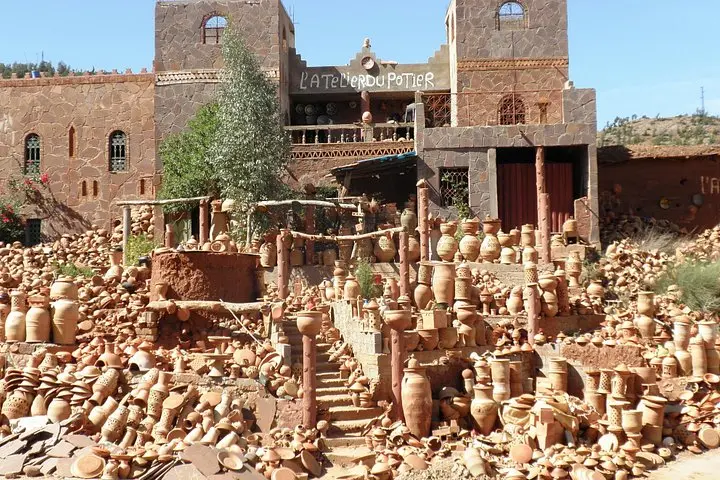
Drive from Marrakech into the High Atlas for a private day exploring Ourika Valley: waterfalls, Berber village visits, and an optional short camel ride. This accessible excursion mixes short mountain walks with cultural encounters and riverside restaurants.
Drive from Marrakech into the High Atlas for a private day exploring Ourika Valley: waterfalls, Berber village visits, and an optional short camel ride. This accessible excursion mixes short mountain walks with cultural encounters and riverside restaurants.
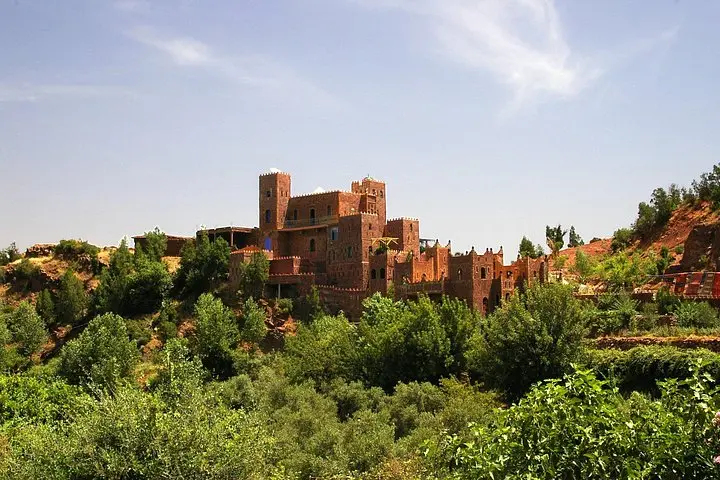
The road peels away from Marrakech at first light and the High Atlas looms into view, peaks shading into blue. The Ourika river runs ahead like a dare — quick riffles pushing past roadside olive groves and the red tile of small Berber houses. By mid-morning the village of Setti Fatma smells of wood smoke and mint tea; guides arrange ropes and point out a footpath that climbs toward a cluster of waterfalls.
Verified experiences and guided adventures in the surrounding area.
Operated by Intercity Journeys · Ourika, Marrakech-Safi
The road peels away from Marrakech at first light and the High Atlas looms into view, peaks shading into blue. The Ourika river runs ahead like a dare — quick riffles pushing past roadside olive groves and the red tile of small Berber houses. By mid-morning the village of Setti Fatma smells of wood smoke and mint tea; guides arrange ropes and point out a footpath that climbs toward a cluster of waterfalls.
Geology here is plain to read: the High Atlas is recent uplift in geological terms, with hard schist and granite forcing steep, terraced slopes where generations of Berber farmers have carved fields. Culture stays present and practical — poetry houses and small family-run tea stops offer windows into daily life rather than curated performance. The valley has long been a summer escape for Marrakech residents, and the watercourse is the pulse that shaped settlement and irrigation.
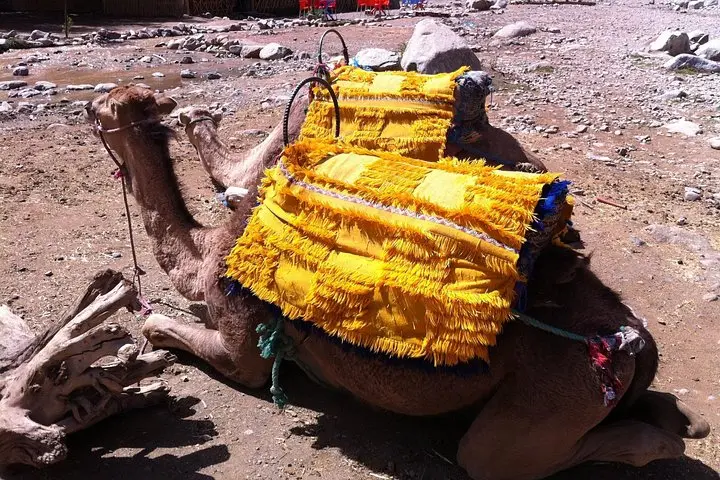
Expect a short to moderate mountain walk: trails are rocky with intermittent stone steps, roughly 3–5 km round-trip to the main cascades and 200–350 m of cumulative ascent depending on how far you go. Guides often permit shorter options for non-trekkers while others press on; a 20-minute camel ride is offered separately near the river. Practicalities matter: sun and water are the real obstacles, and local vendors operate on cash. Leave only footprints, stick to marked tracks, and respect private homes if offered a look inside.
Timing: start early to avoid afternoon heat and return before dusk. Footwear with grip, 1–2 liters of water, and a light layer for mountain breezes will make the day comfortable.
Yes — pickup from your hotel or riad in Marrakech is included at the agreed time; confirm your exact pickup point when booking.
Drive time is typically 45–90 minutes each way depending on traffic and chosen route, with photo stops en route extending the total time.
Lunch is generally not included; you’ll have time to eat at riverside restaurants or bring your own food — inform the operator of dietary needs.
The trail can be uneven and involves elevation gain; it’s not recommended for pregnant travelers or those with serious spinal or cardiovascular issues; infant seats are available for young children in the vehicle.
Intercity Journeys operates guided outdoor trips and adventures with an emphasis on safety, stewardship, and memorable experiences.
The road peels away from Marrakech at first light and the High Atlas looms into view, peaks shading into blue. The Ourika river runs ahead like a dare — quick riffles pushing past roadside olive groves and the red tile of small Berber houses. By mid-morning the village of Setti Fatma smells of wood smoke and mint tea; guides arrange ropes and point out a footpath that climbs toward a cluster of waterfalls.
The road peels away from Marrakech at first light and the High Atlas looms into view, peaks shading into blue. The Ourika river runs ahead like a dare — quick riffles pushing past roadside olive groves and the red tile of small Berber houses. By mid-morning the village of Setti Fatma smells of wood smoke and mint tea; guides arrange ropes and point out a footpath that climbs toward a cluster of waterfalls.
Geology here is plain to read: the High Atlas is recent uplift in geological terms, with hard schist and granite forcing steep, terraced slopes where generations of Berber farmers have carved fields. Culture stays present and practical — poetry houses and small family-run tea stops offer windows into daily life rather than curated performance. The valley has long been a summer escape for Marrakech residents, and the watercourse is the pulse that shaped settlement and irrigation.
Expect a short to moderate mountain walk: trails are rocky with intermittent stone steps, roughly 3–5 km round-trip to the main cascades and 200–350 m of cumulative ascent depending on how far you go. Guides often permit shorter options for non-trekkers while others press on; a 20-minute camel ride is offered separately near the river. Practicalities matter: sun and water are the real obstacles, and local vendors operate on cash. Leave only footprints, stick to marked tracks, and respect private homes if offered a look inside.
Timing: start early to avoid afternoon heat and return before dusk. Footwear with grip, 1–2 liters of water, and a light layer for mountain breezes will make the day comfortable.