THE ADVENTURE COLLECTIVE® · Independent discovery and booking for outdoor travel

Leave Marrakech’s bustle for terraced fields, mountain air and seven waterfalls above Setti Fatma. This full‑day High Atlas excursion blends short valley walks, a Berber tea visit and a chance to climb to higher falls with sweeping views.
Leave Marrakech’s bustle for terraced fields, mountain air and seven waterfalls above Setti Fatma. This full‑day High Atlas excursion blends short valley walks, a Berber tea visit and a chance to climb to higher falls with sweeping views.
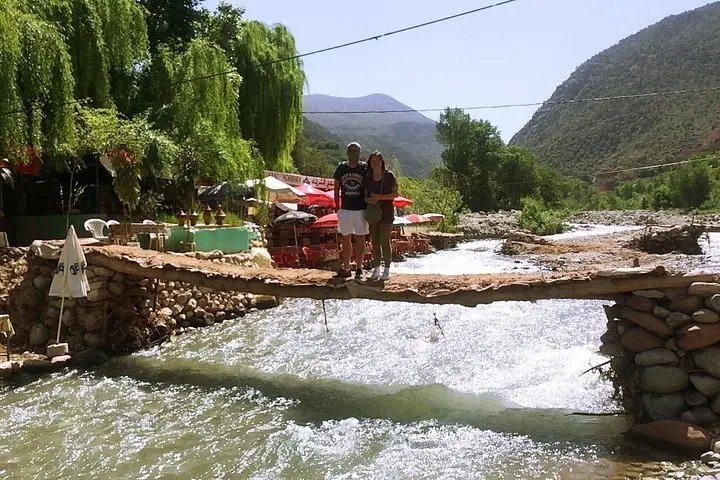
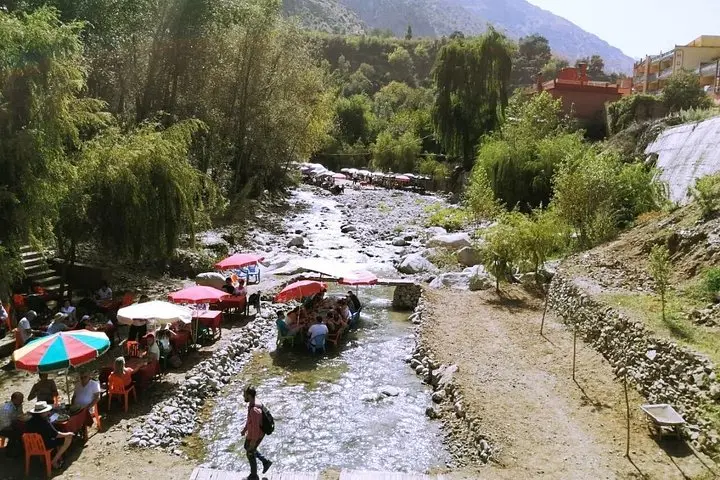
Drive east from Marrakech and the red city peels away: ochre riads and honking taxis give way to low farmland, terraces clinging to the hills, and finally the cooler, rock-strewn corridor of the Ourika Valley.
Verified experiences and guided adventures in the surrounding area.
Operated by MSITravels · Setti Fatma, Marrakesh-Safi
Drive east from Marrakech and the red city peels away: ochre riads and honking taxis give way to low farmland, terraces clinging to the hills, and finally the cooler, rock-strewn corridor of the Ourika Valley.
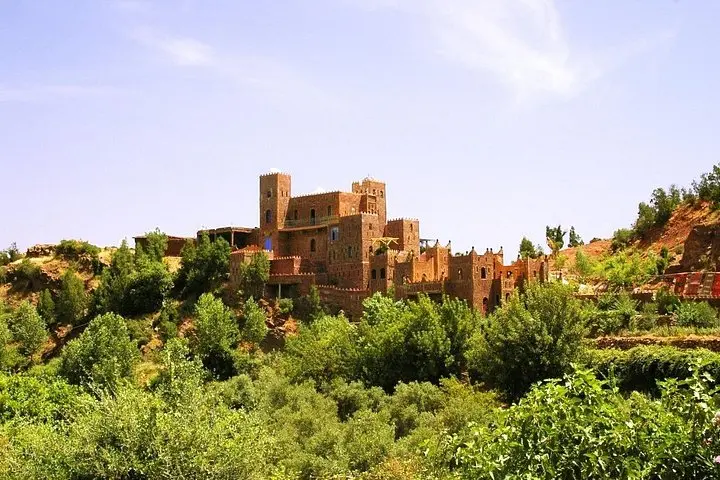
This lower flank of the High Atlas has long been inhabited by Berber communities whose stepped fields and stone houses line the wadi. Geologically the valley is a cut through folded Atlas limestone and schist; the river’s course has gouged narrow gorges and dropped a series of waterfalls that collect above Setti Fatma. Culturally the area still follows seasonal rhythms—market days in Tnine-de-Ourika and an annual Moussem in Setti Fatma in mid‑August.
The tour runs roughly 68 km (42 miles) from Marrakech and typically lasts 5–8 hours door to door. Setti Fatma sits near 1,500 m (4,920 ft); the first waterfall is a short 20–40 minute walk along the wadi and is accessible on well‑worn trails. Higher falls require scrambling over uneven scree and short rock steps—sturdy boots and confident footing are needed. The village is also a jumping‑off point for longer routes to Jbel Toubkal and the Yagour Plateau’s rock engravings.
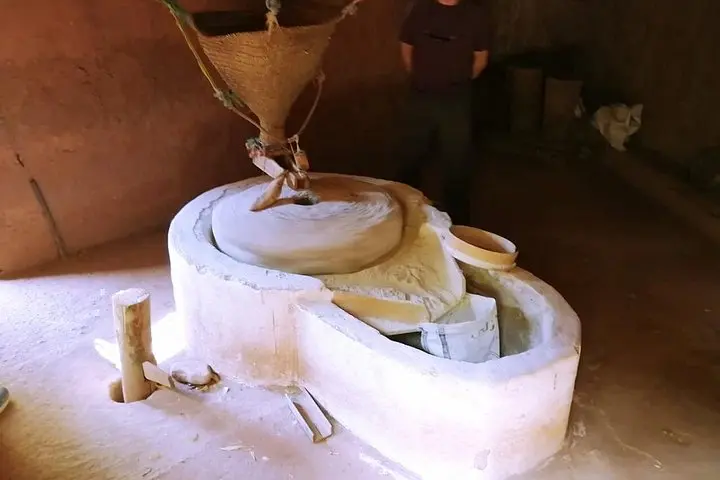
Practical notes: morning departures avoid mid‑day heat and crowds; expect a tea stop in a Berber house and a family lunch option. Bring water, sun protection, cash for small shops and guides, and leave no trace—river flash floods can be violent, so follow local advice about conditions. Returns to Marrakech are by private vehicle at day’s end.
The transfer is about 60–90 minutes each way (roughly 68 km/42 miles), depending on traffic and your pickup point in Marrakech.
The first pool may be safe for a brief dip in warm weather, but currents can be strong and conditions change—follow local advice and avoid swimming after heavy rain.
The route to the first waterfall is family‑friendly; reaching the higher falls involves uneven ground and short climbs, which may be unsuitable for very young children or those with mobility issues.
Yes—many operators include a tea stop at a Berber house and a local lunch option in Setti Fatma; verify dietary needs when booking.
MSITravels operates guided outdoor trips and adventures with an emphasis on safety, stewardship, and memorable experiences.
Drive east from Marrakech and the red city peels away: ochre riads and honking taxis give way to low farmland, terraces clinging to the hills, and finally the cooler, rock-strewn corridor of the Ourika Valley.
Drive east from Marrakech and the red city peels away: ochre riads and honking taxis give way to low farmland, terraces clinging to the hills, and finally the cooler, rock-strewn corridor of the Ourika Valley.
This lower flank of the High Atlas has long been inhabited by Berber communities whose stepped fields and stone houses line the wadi. Geologically the valley is a cut through folded Atlas limestone and schist; the river’s course has gouged narrow gorges and dropped a series of waterfalls that collect above Setti Fatma. Culturally the area still follows seasonal rhythms—market days in Tnine-de-Ourika and an annual Moussem in Setti Fatma in mid‑August.
The tour runs roughly 68 km (42 miles) from Marrakech and typically lasts 5–8 hours door to door. Setti Fatma sits near 1,500 m (4,920 ft); the first waterfall is a short 20–40 minute walk along the wadi and is accessible on well‑worn trails. Higher falls require scrambling over uneven scree and short rock steps—sturdy boots and confident footing are needed. The village is also a jumping‑off point for longer routes to Jbel Toubkal and the Yagour Plateau’s rock engravings.
Practical notes: morning departures avoid mid‑day heat and crowds; expect a tea stop in a Berber house and a family lunch option. Bring water, sun protection, cash for small shops and guides, and leave no trace—river flash floods can be violent, so follow local advice about conditions. Returns to Marrakech are by private vehicle at day’s end.