THE ADVENTURE COLLECTIVE® · Independent discovery and booking for outdoor travel

Escape Marrakech for a day in the Ourika Valley: a guided walk to Setti Fatma’s waterfalls, visits to Berber cooperatives and a riverside lunch amid High Atlas views. Practical, cultural, and ideal for a single-day adventure.
Escape Marrakech for a day in the Ourika Valley: a guided walk to Setti Fatma’s waterfalls, visits to Berber cooperatives and a riverside lunch amid High Atlas views. Practical, cultural, and ideal for a single-day adventure.
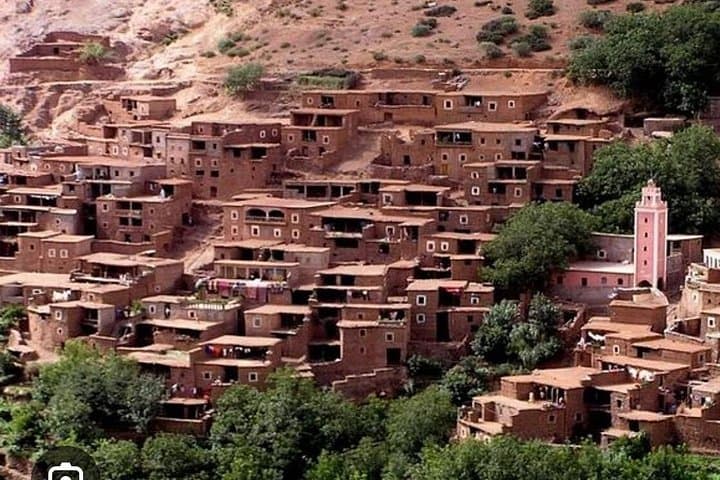
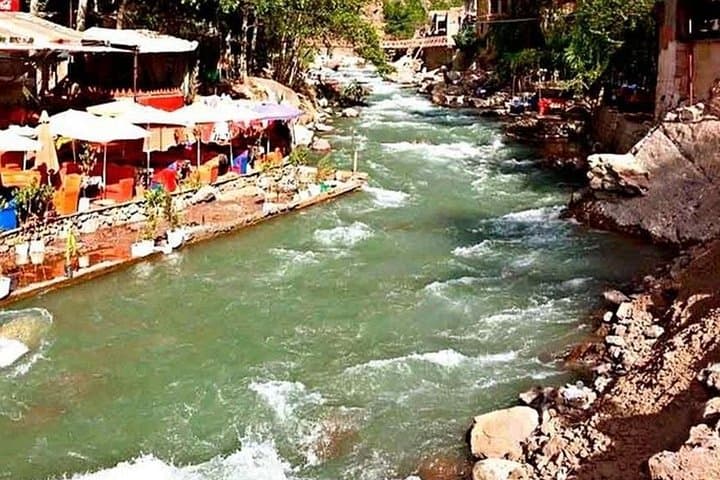
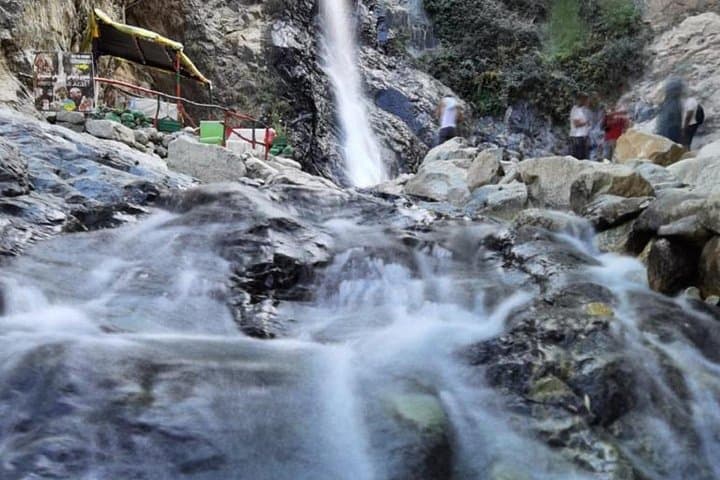
A cool morning climb out of Marrakech opens onto a roadside of ochre houses and terraced fields, the High Atlas pressing like a living wall ahead. The minivan hums along the river valley; the Ourika River dares you closer with each bend. Arriving at Setti Fatma, hikers trade engine noise for birdsong and the steady slap of water as a string of seven or more cascades stretches upstream.
Verified experiences and guided adventures in the surrounding area.
Operated by Youssef · Setti Fatma, Marrakesh-Safi
A cool morning climb out of Marrakech opens onto a roadside of ochre houses and terraced fields, the High Atlas pressing like a living wall ahead. The minivan hums along the river valley; the Ourika River dares you closer with each bend. Arriving at Setti Fatma, hikers trade engine noise for birdsong and the steady slap of water as a string of seven or more cascades stretches upstream.
This valley has been shaped by Pliocene sediments and millennia of human terraces. Berber (Amazigh) communities have farmed the slopes for generations, and argan cooperatives and carpet workshops still practice ancestral techniques you can watch up close. Geologically, the valley is a pocket of softer rock cut by seasonal flows that swell in winter and shrink to trickles by late summer.
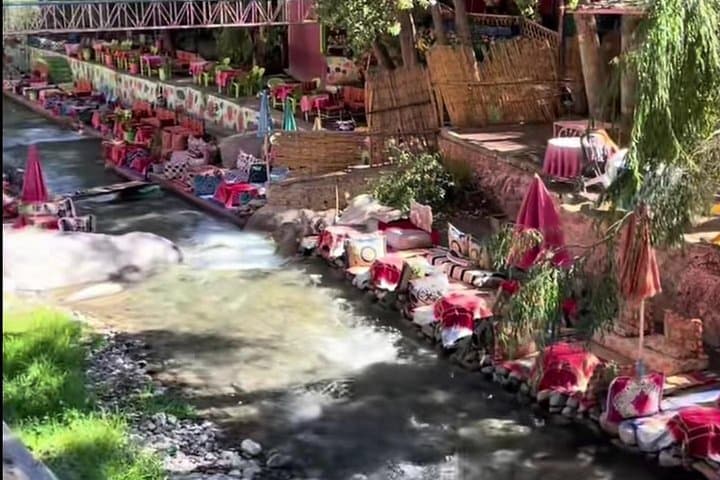
Expect a guided walk of rough stone paths and occasional steep steps — roughly 4 km round trip with about 250–350 m of elevation gain depending on how far you climb. The hike is part cultural tour, part nature walk: stops include a riverside lunch spot, women's cooperatives producing argan oil, and viewpoints over the valley.
Practical edge: start early to avoid mid-day heat, wear grippy footwear for wet rock, carry 1–2 liters of water, and keep small bills for cooperatives and tips. The trip runs about 7–8 hours including transport from Marrakech; it’s best in spring and autumn when flows and temperatures are comfortable. The guide’s knowledge of local trails and customs turns a simple waterfall visit into a compact, authentic immersion in Atlas life.
The round-trip hike to the main cascades is typically around 4 km with 250–350 m elevation gain, taking about 1–2 hours depending on pace and how many falls you visit.
The day includes short hikes on uneven terrain; families with active children and mobile older travelers can participate, but those with mobility issues should consider staying near the village.
This tour includes a guide and transport; small entry or parking fees and purchases at cooperatives are usually not included—bring cash for those.
Setti Fatma is roughly a 45–75 minute drive from Marrakech depending on traffic and the specific meeting point; the full excursion runs about 7–8 hours door-to-door.
Youssef operates guided outdoor trips and adventures with an emphasis on safety, stewardship, and memorable experiences.
A cool morning climb out of Marrakech opens onto a roadside of ochre houses and terraced fields, the High Atlas pressing like a living wall ahead. The minivan hums along the river valley; the Ourika River dares you closer with each bend. Arriving at Setti Fatma, hikers trade engine noise for birdsong and the steady slap of water as a string of seven or more cascades stretches upstream.
A cool morning climb out of Marrakech opens onto a roadside of ochre houses and terraced fields, the High Atlas pressing like a living wall ahead. The minivan hums along the river valley; the Ourika River dares you closer with each bend. Arriving at Setti Fatma, hikers trade engine noise for birdsong and the steady slap of water as a string of seven or more cascades stretches upstream.
This valley has been shaped by Pliocene sediments and millennia of human terraces. Berber (Amazigh) communities have farmed the slopes for generations, and argan cooperatives and carpet workshops still practice ancestral techniques you can watch up close. Geologically, the valley is a pocket of softer rock cut by seasonal flows that swell in winter and shrink to trickles by late summer.
Expect a guided walk of rough stone paths and occasional steep steps — roughly 4 km round trip with about 250–350 m of elevation gain depending on how far you climb. The hike is part cultural tour, part nature walk: stops include a riverside lunch spot, women's cooperatives producing argan oil, and viewpoints over the valley.
Practical edge: start early to avoid mid-day heat, wear grippy footwear for wet rock, carry 1–2 liters of water, and keep small bills for cooperatives and tips. The trip runs about 7–8 hours including transport from Marrakech; it’s best in spring and autumn when flows and temperatures are comfortable. The guide’s knowledge of local trails and customs turns a simple waterfall visit into a compact, authentic immersion in Atlas life.