THE ADVENTURE COLLECTIVE® · Independent discovery and booking for outdoor travel

Leave Marrakech for a compact Atlas Mountains day trip to Setti Fatma in the Ourika Valley. Expect argan co-ops, Berber hospitality, and a guided hike to cascading waterfalls with a riverside lunch.
Leave Marrakech for a compact Atlas Mountains day trip to Setti Fatma in the Ourika Valley. Expect argan co-ops, Berber hospitality, and a guided hike to cascading waterfalls with a riverside lunch.
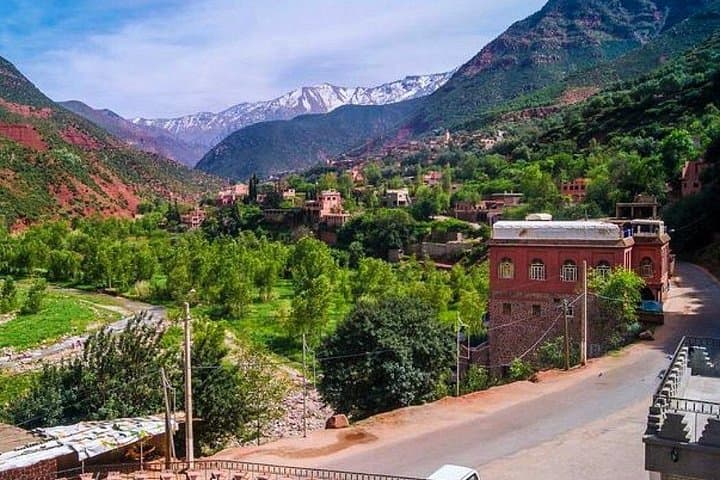
Morning light slants across the Atlas ridgelines as a minivan threads out of Marrakech toward the Ourika Valley. By the time the road narrows and argan trees close in, the city’s heat feels miles away; the valley air cools, rivers speak, and the trailhead at Setti Fatma awaits with the hush of cedar and the chatter of small streams.
Verified experiences and guided adventures in the surrounding area.
Operated by Explore My Morocco tours · Setti Fatma, Marrakech-Safi
Morning light slants across the Atlas ridgelines as a minivan threads out of Marrakech toward the Ourika Valley. By the time the road narrows and argan trees close in, the city’s heat feels miles away; the valley air cools, rivers speak, and the trailhead at Setti Fatma awaits with the hush of cedar and the chatter of small streams.
The route follows mule tracks and stone footpaths used for generations by Berber communities. Geologically, the High Atlas here is folded sandstone and shale sculpted by seasonal runoff—water has carved the steep gullies and stacked cascades you'll climb toward. Cultural stops punctuate the morning: a women’s argan cooperative where local methods of oil extraction are explained, and a chance to sip mint tea in a Berber house, conversations threaded with local history and mountain livelihood.
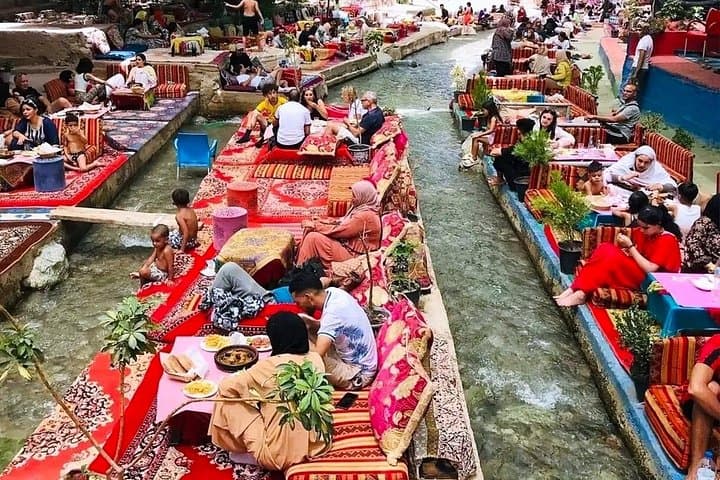
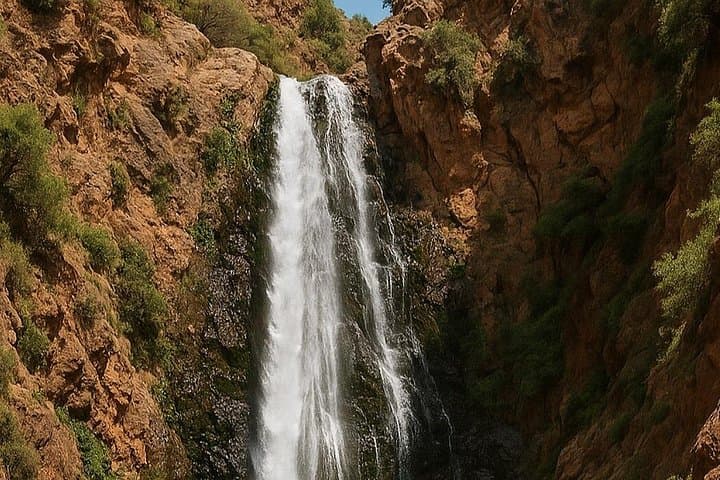
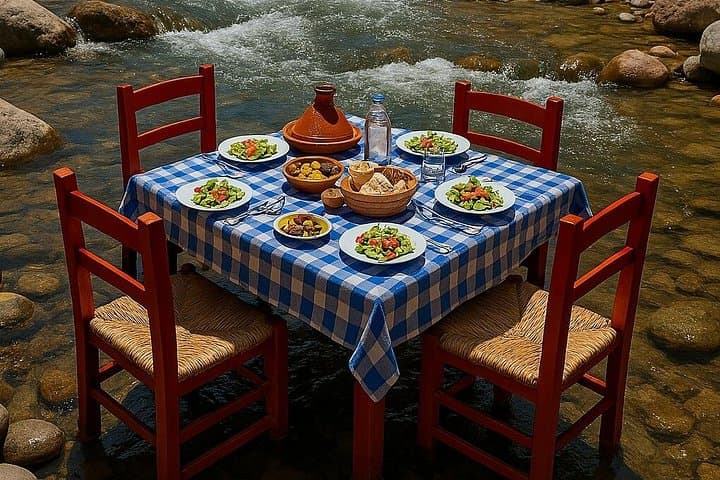
Expect a gradual, scenic ascent to multiple waterfalls; the first fall is an easy stroll from the village, higher cascades require steadier footing and short, steeper sections. Vegetation shifts from olive and argan groves to riparian willows and ferns near the stream. The guide-led program includes a riverside lunch and time to explore village markets.
Practically, plan for uneven stone steps, occasional muddy patches, and sun-exposed sections. Wear grippy shoes, carry layered clothing, and bring at least 1–2 liters of water. Morning departures avoid midday heat and give the best light for photos. The hike is approachable for most walkers but involves intermittent climbs—prepare accordingly and respect local customs when visiting homes and cooperatives.
The drive to Setti Fatma in the Ourika Valley takes about 45–60 minutes depending on traffic and the exact pickup point in Marrakech.
The first waterfall is an easy walk suitable for families; accessing higher cascades involves steeper, uneven sections that may be challenging for very young children or those with mobility limits.
Yes — this tour typically includes an air-conditioned round-trip transfer from Marrakech and a riverside lunch, plus visits to an argan cooperative.
A guide is included and adds cultural context, navigation, and local access; independent hiking is possible but a guide improves safety and local engagement.
Explore My Morocco tours operates guided outdoor trips and adventures with an emphasis on safety, stewardship, and memorable experiences.
Morning light slants across the Atlas ridgelines as a minivan threads out of Marrakech toward the Ourika Valley. By the time the road narrows and argan trees close in, the city’s heat feels miles away; the valley air cools, rivers speak, and the trailhead at Setti Fatma awaits with the hush of cedar and the chatter of small streams.
Morning light slants across the Atlas ridgelines as a minivan threads out of Marrakech toward the Ourika Valley. By the time the road narrows and argan trees close in, the city’s heat feels miles away; the valley air cools, rivers speak, and the trailhead at Setti Fatma awaits with the hush of cedar and the chatter of small streams.
The route follows mule tracks and stone footpaths used for generations by Berber communities. Geologically, the High Atlas here is folded sandstone and shale sculpted by seasonal runoff—water has carved the steep gullies and stacked cascades you'll climb toward. Cultural stops punctuate the morning: a women’s argan cooperative where local methods of oil extraction are explained, and a chance to sip mint tea in a Berber house, conversations threaded with local history and mountain livelihood.
Expect a gradual, scenic ascent to multiple waterfalls; the first fall is an easy stroll from the village, higher cascades require steadier footing and short, steeper sections. Vegetation shifts from olive and argan groves to riparian willows and ferns near the stream. The guide-led program includes a riverside lunch and time to explore village markets.
Practically, plan for uneven stone steps, occasional muddy patches, and sun-exposed sections. Wear grippy shoes, carry layered clothing, and bring at least 1–2 liters of water. Morning departures avoid midday heat and give the best light for photos. The hike is approachable for most walkers but involves intermittent climbs—prepare accordingly and respect local customs when visiting homes and cooperatives.