THE ADVENTURE COLLECTIVE® · Independent discovery and booking for outdoor travel

Leave Marrakech for a full-day journey into the Ourika Valley: a guided hike to waterfalls, a visit to a Berber house, lunch in a local restaurant, and a stop at a women’s argan cooperative. Expect easy walking, clear streams, and hands-on cultural insights.
Leave Marrakech for a full-day journey into the Ourika Valley: a guided hike to waterfalls, a visit to a Berber house, lunch in a local restaurant, and a stop at a women’s argan cooperative. Expect easy walking, clear streams, and hands-on cultural insights.
A cool morning on the road south of Marrakech quickly changes the city’s heat for the mountain’s hush. The Ourika River threads the valley, occasionally daring you to step closer as terraced orchards and olive groves tilt into the slopes. The hike to the waterfalls moves from shaded mule tracks to rocky steps, the air smelling of thyme and sun-warmed stone.
Verified experiences and guided adventures in the surrounding area.
Operated by nabih · Marrakech, Marrakech-Safi
A cool morning on the road south of Marrakech quickly changes the city’s heat for the mountain’s hush. The Ourika River threads the valley, occasionally daring you to step closer as terraced orchards and olive groves tilt into the slopes. The hike to the waterfalls moves from shaded mule tracks to rocky steps, the air smelling of thyme and sun-warmed stone.
The valley has long been lived in by Berber communities whose stone houses and stepped fields reflect centuries of adaptation to the High Atlas foothills. Geologically, the Ourika sits on folded sedimentary layers feeding clear streams from higher ridges; seasonal snowmelt swells the falls in spring. Cultural highlights include a visit to a traditional Berber house where tea is offered and conversation is direct—hospitality is practical and unvarnished. A women’s argan cooperative nearby demonstrates local agro-economy: small-scale production, hand-pressed nuts and the social role of collective income.
Practically, expect a full-day outing: roughly 1–3 hours of walking spread across a 10-hour program including lunch and village stops. Trails vary from flat village lanes to uneven stone and short steep sections to reach the cascades. Footwear with grip, sun protection, and a reusable water bottle make the day substantially easier. Timing matters—late afternoon light softens the valley, but spring afternoons are busiest. The pace is conversational and local—this is as much a cultural exchange as a short mountain hike.
The guided hike is easy to moderate—short steep sections and uneven stone are present, but no technical climbing is required.
Most tours include hotel pickup and drop-off in Marrakech; confirm your exact pickup point when booking.
Yes—hosts usually welcome respectful photography; always ask permission before photographing people inside homes.
Typical full-day itineraries include a local Moroccan lunch and a stop at a women’s argan oil cooperative; check the tour inclusions to confirm.
nabih operates guided outdoor trips and adventures with an emphasis on safety, stewardship, and memorable experiences.
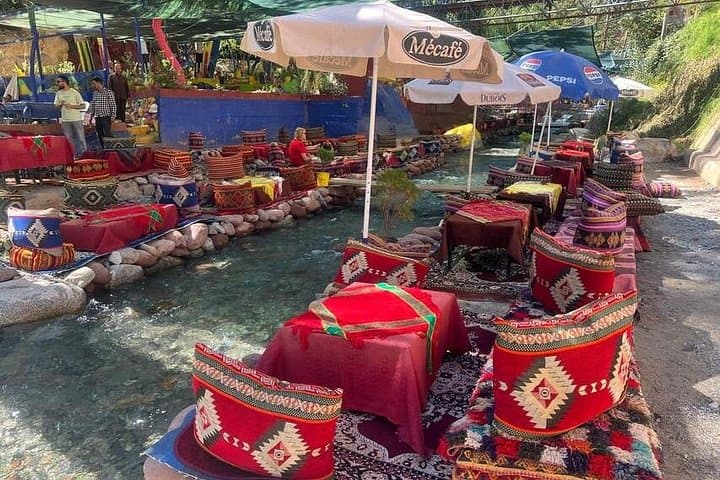
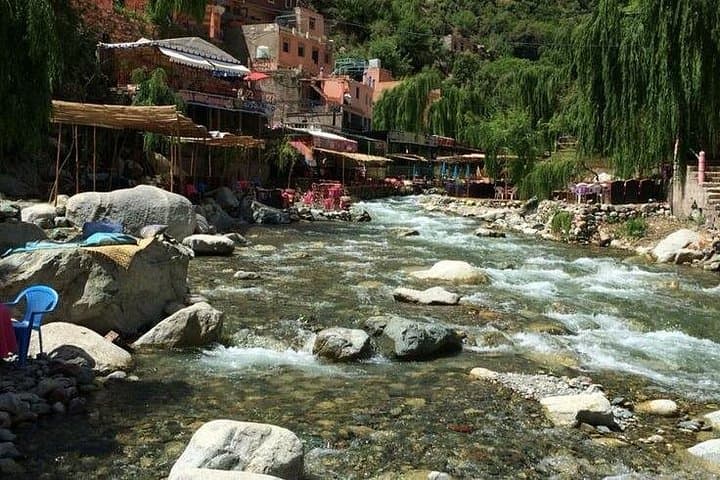
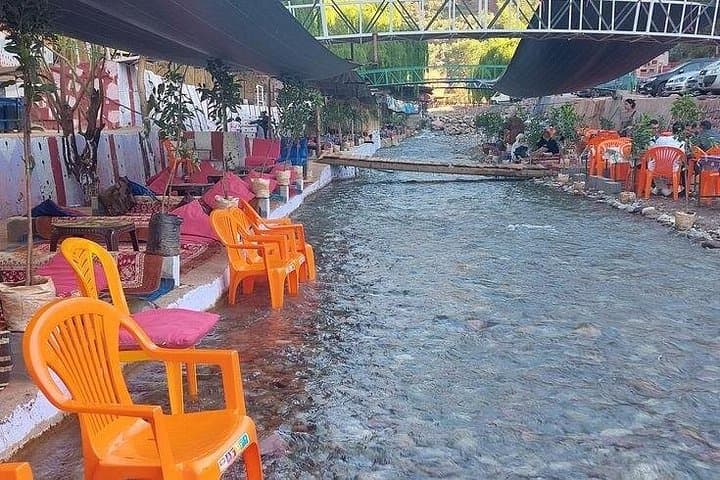
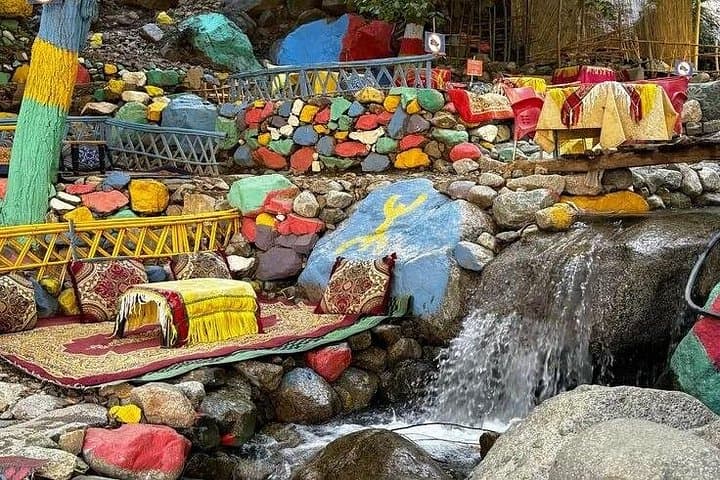
A cool morning on the road south of Marrakech quickly changes the city’s heat for the mountain’s hush. The Ourika River threads the valley, occasionally daring you to step closer as terraced orchards and olive groves tilt into the slopes. The hike to the waterfalls moves from shaded mule tracks to rocky steps, the air smelling of thyme and sun-warmed stone.
A cool morning on the road south of Marrakech quickly changes the city’s heat for the mountain’s hush. The Ourika River threads the valley, occasionally daring you to step closer as terraced orchards and olive groves tilt into the slopes. The hike to the waterfalls moves from shaded mule tracks to rocky steps, the air smelling of thyme and sun-warmed stone.
The valley has long been lived in by Berber communities whose stone houses and stepped fields reflect centuries of adaptation to the High Atlas foothills. Geologically, the Ourika sits on folded sedimentary layers feeding clear streams from higher ridges; seasonal snowmelt swells the falls in spring. Cultural highlights include a visit to a traditional Berber house where tea is offered and conversation is direct—hospitality is practical and unvarnished. A women’s argan cooperative nearby demonstrates local agro-economy: small-scale production, hand-pressed nuts and the social role of collective income.
Practically, expect a full-day outing: roughly 1–3 hours of walking spread across a 10-hour program including lunch and village stops. Trails vary from flat village lanes to uneven stone and short steep sections to reach the cascades. Footwear with grip, sun protection, and a reusable water bottle make the day substantially easier. Timing matters—late afternoon light softens the valley, but spring afternoons are busiest. The pace is conversational and local—this is as much a cultural exchange as a short mountain hike.