THE ADVENTURE COLLECTIVE® · Independent discovery and booking for outdoor travel

A private day trip from Marrakech into the Ourika Valley combines short hikes, river crossings, and visits to Berber cooperatives. See waterfalls, learn argan and weaving techniques, and enjoy a riverside lunch in the High Atlas foothills.
A private day trip from Marrakech into the Ourika Valley combines short hikes, river crossings, and visits to Berber cooperatives. See waterfalls, learn argan and weaving techniques, and enjoy a riverside lunch in the High Atlas foothills.
You leave Marrakech before the heat builds, the city’s flat ochre blocks shrinking behind you as the road climbs toward the High Atlas. Olive groves slide past the window, then terraced fields and dry-stone villages clinging to the slopes. The river in the valley calls insistently — it will push you toward shaded paths and the cool spray of waterfalls.
Verified experiences and guided adventures in the surrounding area.
Operated by Morocco Luxe Tours · Marrakech, Marrakech-Safi
You leave Marrakech before the heat builds, the city’s flat ochre blocks shrinking behind you as the road climbs toward the High Atlas. Olive groves slide past the window, then terraced fields and dry-stone villages clinging to the slopes. The river in the valley calls insistently — it will push you toward shaded paths and the cool spray of waterfalls.
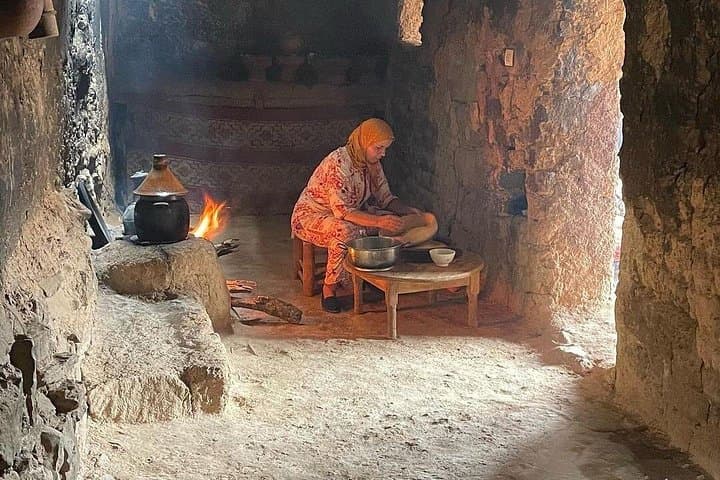
Geologically the Ourika Valley is carved by seasonal torrents from the High Atlas; granite and schist form steep gullies and broad, stepped cascades where water has worn the rock into ledges. Culturally this is Berber country: small villages, stone houses with flat roofs, and cooperatives where argan oil and traditional crafts are made — local women still press and sift by hand. Expect to learn basic weaving and argan production practices during a cooperative visit in Oualmas before a short guided walk deeper into the valley toward Setti Fatma’s falls.
The walk is mostly well-trodden paths and stony tracks with short steeper sections; several crossings over footbridges and stream shoulders are typical. Bring sturdy shoes, water, and a jacket for shaded riverbanks. Aim for a morning start to avoid midday crowds and to catch the falls in better light. Respect private terraces and ask before photographing people; tipping at cooperatives and for local guides sustains the community.
On a private tour you’ll balance cultural stops, a riverside lunch, and three or so waterfall viewpoints in a six-hour rhythm — enough time to feel the valley’s pace without rushing back to Marrakech.
The drive to the Ourika Valley is roughly 30–60 minutes depending on traffic and your exact stops; most private tours run about six hours total.
Yes — the standard walks are short and can be adjusted; inform the operator if you have mobility concerns so the route and pace can be tailored.
Some tours include local admission where required; confirm with the provider ahead of time to know what’s covered.
Yes — most itineraries stop at cooperatives selling argan oil, woven goods, and local honey; bring cash and ask about sustainable sourcing.
Morocco Luxe Tours operates guided outdoor trips and adventures with an emphasis on safety, stewardship, and memorable experiences.


You leave Marrakech before the heat builds, the city’s flat ochre blocks shrinking behind you as the road climbs toward the High Atlas. Olive groves slide past the window, then terraced fields and dry-stone villages clinging to the slopes. The river in the valley calls insistently — it will push you toward shaded paths and the cool spray of waterfalls.
You leave Marrakech before the heat builds, the city’s flat ochre blocks shrinking behind you as the road climbs toward the High Atlas. Olive groves slide past the window, then terraced fields and dry-stone villages clinging to the slopes. The river in the valley calls insistently — it will push you toward shaded paths and the cool spray of waterfalls.
Geologically the Ourika Valley is carved by seasonal torrents from the High Atlas; granite and schist form steep gullies and broad, stepped cascades where water has worn the rock into ledges. Culturally this is Berber country: small villages, stone houses with flat roofs, and cooperatives where argan oil and traditional crafts are made — local women still press and sift by hand. Expect to learn basic weaving and argan production practices during a cooperative visit in Oualmas before a short guided walk deeper into the valley toward Setti Fatma’s falls.
The walk is mostly well-trodden paths and stony tracks with short steeper sections; several crossings over footbridges and stream shoulders are typical. Bring sturdy shoes, water, and a jacket for shaded riverbanks. Aim for a morning start to avoid midday crowds and to catch the falls in better light. Respect private terraces and ask before photographing people; tipping at cooperatives and for local guides sustains the community.
On a private tour you’ll balance cultural stops, a riverside lunch, and three or so waterfall viewpoints in a six-hour rhythm — enough time to feel the valley’s pace without rushing back to Marrakech.