THE ADVENTURE COLLECTIVE® · Independent discovery and booking for outdoor travel

Escape Marrakech for a seven-hour journey into the Ourika Valley: a Berber breakfast at an argan cooperative, a guided hike through riverside trails, and lunch beside Setti Fatma’s waterfalls. Practical, picturesque, and accessible for most travelers.
Escape Marrakech for a seven-hour journey into the Ourika Valley: a Berber breakfast at an argan cooperative, a guided hike through riverside trails, and lunch beside Setti Fatma’s waterfalls. Practical, picturesque, and accessible for most travelers.
You leave Marrakech before the city warms, the medina's noise shrinking behind you as the road climbs into the High Atlas. Olive groves and terraced fields tilt past the bus window; stone villages cling to slopes like practical ornaments. The air sharpens. By mid-morning you reach a women's argan cooperative where the women laugh into steaming mint tea, then demonstrate the slow, hands-on extraction of argan oil — the scent of toasted nuts mingling with bread and honey.
Verified experiences and guided adventures in the surrounding area.
Operated by Extra Smile Tours · Setti Fatma, Marrakech-Safi
You leave Marrakech before the city warms, the medina's noise shrinking behind you as the road climbs into the High Atlas. Olive groves and terraced fields tilt past the bus window; stone villages cling to slopes like practical ornaments. The air sharpens. By mid-morning you reach a women's argan cooperative where the women laugh into steaming mint tea, then demonstrate the slow, hands-on extraction of argan oil — the scent of toasted nuts mingling with bread and honey.
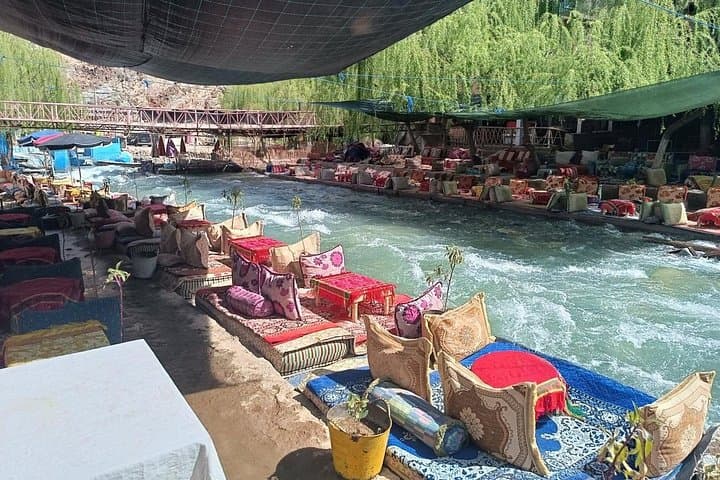
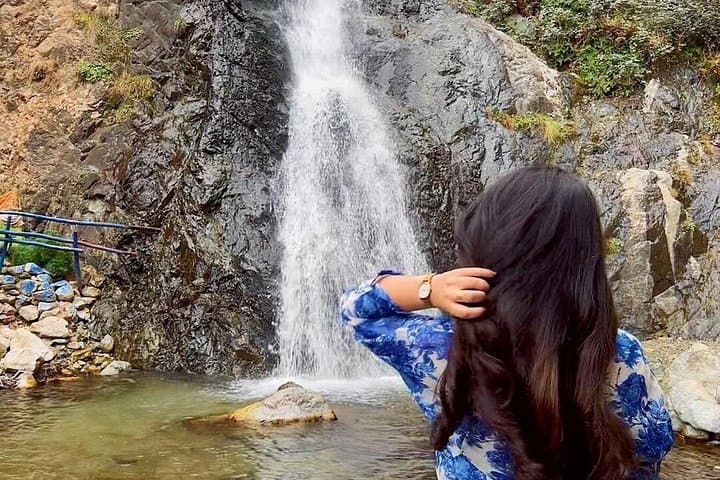
From there the route descends into the Ourika Valley. The river, narrow and urgent, pushes through boulders and willows, daring you to follow. Your guide leads a 1–2 hour walk along shaded tracks and over simple stone steps toward Setti Fatma's cascade system; expect uneven footing, slippery rock near the streams, and repeated view-stops that reward small climbs with sudden drops of white water.
Geology here is visible: folded sediment and exposed granite of the Atlas range record tectonic uplift where African and Eurasian plates meet. Culturally, the valley remains predominantly Berber — mountain farming, traditional bread-baking, and cooperative argan work still shape daily life.
Practical guidance: the full excursion runs about seven hours with two hours of walking on mixed trails. Wear sturdy shoes with grip, bring 1–2 liters of water, sun protection, and a light layer for changing temperatures. Cameras and small local purchases support village economies; follow your guide on trail choices to avoid fragile banks. The day balances easy cultural stops with a short, rewarding mountain hike — ideal for travelers who want a compact, hands-on Atlas experience without technical climbing.
Expect about 1–2 hours of walking round-trip along mixed terrain; your guide adjusts pace for the group.
Yes — the tour is described as physically easy overall, though some uneven steps to the falls may be challenging for very young children or those with mobility issues.
Yes — a traditional lunch beside the river is included, featuring local tagine and salads.
Yes — most cooperatives sell small-batch argan oil and cosmetics; bring cash and be prepared for friendly demonstration-sales.
Extra Smile Tours operates guided outdoor trips and adventures with an emphasis on safety, stewardship, and memorable experiences.
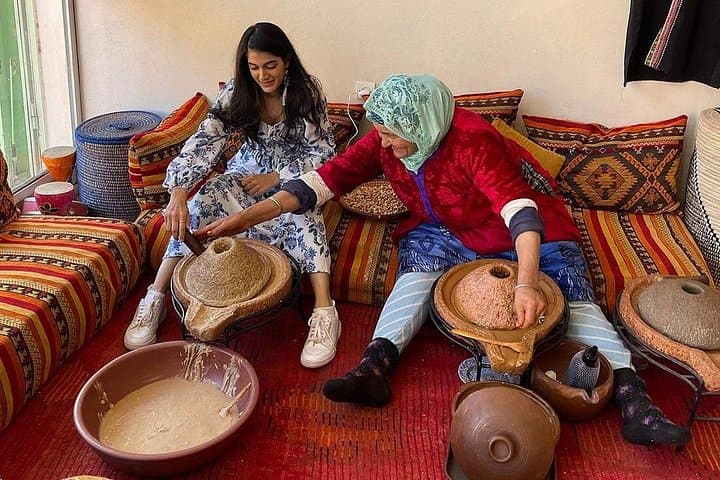

You leave Marrakech before the city warms, the medina's noise shrinking behind you as the road climbs into the High Atlas. Olive groves and terraced fields tilt past the bus window; stone villages cling to slopes like practical ornaments. The air sharpens. By mid-morning you reach a women's argan cooperative where the women laugh into steaming mint tea, then demonstrate the slow, hands-on extraction of argan oil — the scent of toasted nuts mingling with bread and honey.
You leave Marrakech before the city warms, the medina's noise shrinking behind you as the road climbs into the High Atlas. Olive groves and terraced fields tilt past the bus window; stone villages cling to slopes like practical ornaments. The air sharpens. By mid-morning you reach a women's argan cooperative where the women laugh into steaming mint tea, then demonstrate the slow, hands-on extraction of argan oil — the scent of toasted nuts mingling with bread and honey.
From there the route descends into the Ourika Valley. The river, narrow and urgent, pushes through boulders and willows, daring you to follow. Your guide leads a 1–2 hour walk along shaded tracks and over simple stone steps toward Setti Fatma's cascade system; expect uneven footing, slippery rock near the streams, and repeated view-stops that reward small climbs with sudden drops of white water.
Geology here is visible: folded sediment and exposed granite of the Atlas range record tectonic uplift where African and Eurasian plates meet. Culturally, the valley remains predominantly Berber — mountain farming, traditional bread-baking, and cooperative argan work still shape daily life.
Practical guidance: the full excursion runs about seven hours with two hours of walking on mixed trails. Wear sturdy shoes with grip, bring 1–2 liters of water, sun protection, and a light layer for changing temperatures. Cameras and small local purchases support village economies; follow your guide on trail choices to avoid fragile banks. The day balances easy cultural stops with a short, rewarding mountain hike — ideal for travelers who want a compact, hands-on Atlas experience without technical climbing.