THE ADVENTURE COLLECTIVE® · Independent discovery and booking for outdoor travel

Escape Marrakech for a seven-hour excursion into the Ourika Valley: terraced Berber villages, the seven-tiered Setti Fatma waterfalls, and riverside tea. This day tour combines short hikes, cultural stops, and scenic viewpoints—ideal for travelers seeking nature and local insight close to the city.
Escape Marrakech for a seven-hour excursion into the Ourika Valley: terraced Berber villages, the seven-tiered Setti Fatma waterfalls, and riverside tea. This day tour combines short hikes, cultural stops, and scenic viewpoints—ideal for travelers seeking nature and local insight close to the city.
You step out of Marrakech’s dust and into a cooler air that tastes faintly of river and mint—sixty kilometres of winding road and the High Atlas rises in tiers, pushing the sky back. The Ourika Valley narrows into a green corridor: terraced fields cling to slope, earthen Berber homes crowd small plateaus, and the Ourika River dares you closer with riffles and shallow pools.
Verified experiences and guided adventures in the surrounding area.
Operated by Marrakech Cab Travel · Marrakech, Marrakech-Safi
You step out of Marrakech’s dust and into a cooler air that tastes faintly of river and mint—sixty kilometres of winding road and the High Atlas rises in tiers, pushing the sky back. The Ourika Valley narrows into a green corridor: terraced fields cling to slope, earthen Berber homes crowd small plateaus, and the Ourika River dares you closer with riffles and shallow pools.
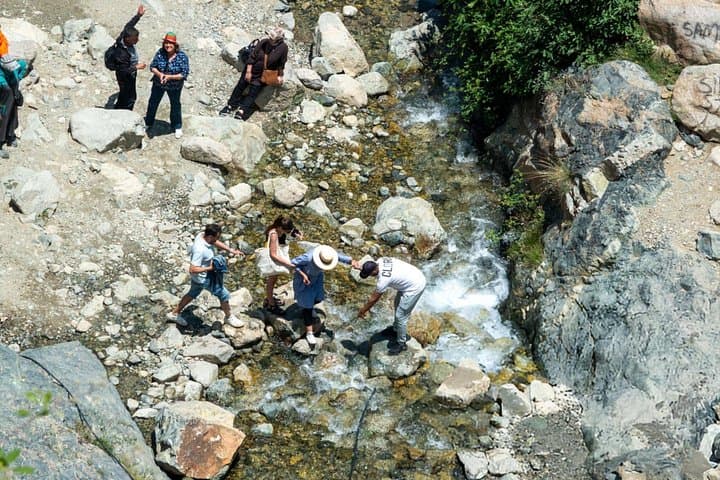
The valley’s story is human and geological. Ancient alluvial fans and seasonal snowmelt carved the canyon; generations of Amazigh (Berber) farmers sculpted the terraces you walk along. At Setti Fatma the river drops through seven named cascades (flow varies by season), creating natural plunge pools and a string of short hikes—most routes are 1–2 hours roundtrip with 150–300m elevation changes on rocky, sometimes slick paths.
Culturally the day pairs village markets, argan cooperatives, and riverside tea with straightforward nature time: photo stops at panoramic viewpoints, a guided walk to the falls, and chances to cool off in the pools when flows allow.
Practical edge: aim for morning or late afternoon to avoid mid-day heat, wear grippy shoes for loose scree and wet stones, and carry cash for small purchases at cooperatives and stalls. Expect a mix of paved viewpoints and uneven dirt trails; children and less steady hikers can still enjoy shorter riverside stretches. The valley rewards curiosity—listen for raptors overhead and vendors calling for mint tea—while practicing Leave No Trace and supporting local cooperatives for an experience that’s both scenic and socially mindful.
The valley is roughly 60 km from Marrakech; the guided tour runs about 6–8 hours including transport, viewpoints, and a guided waterfall walk.
Flow is seasonal—strongest after winter snowmelt and in spring; in late summer and dry years some tiers may be reduced to trickles.
Short riverside walks and viewpoints are accessible to most, but the full hike to upper tiers involves uneven, sometimes steep steps—review with your guide and plan shorter options if needed.
Yes—visits commonly include argan cooperatives and market stops; bring cash for small purchases and consider buying directly from cooperatives to support the community.
Marrakech Cab Travel operates guided outdoor trips and adventures with an emphasis on safety, stewardship, and memorable experiences.


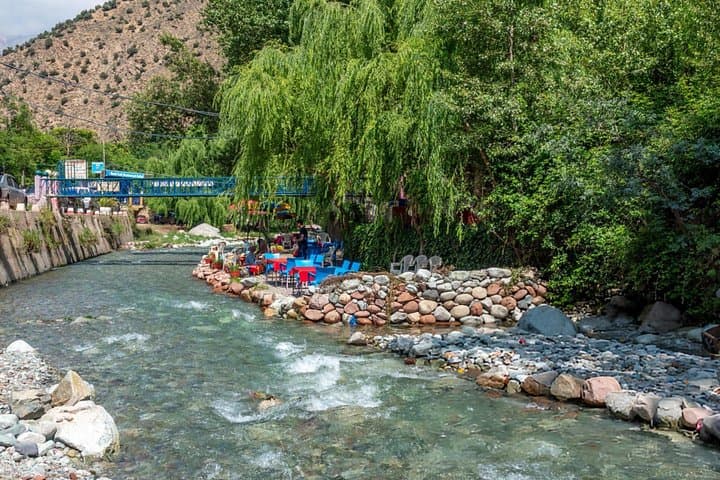
You step out of Marrakech’s dust and into a cooler air that tastes faintly of river and mint—sixty kilometres of winding road and the High Atlas rises in tiers, pushing the sky back. The Ourika Valley narrows into a green corridor: terraced fields cling to slope, earthen Berber homes crowd small plateaus, and the Ourika River dares you closer with riffles and shallow pools.
You step out of Marrakech’s dust and into a cooler air that tastes faintly of river and mint—sixty kilometres of winding road and the High Atlas rises in tiers, pushing the sky back. The Ourika Valley narrows into a green corridor: terraced fields cling to slope, earthen Berber homes crowd small plateaus, and the Ourika River dares you closer with riffles and shallow pools.
The valley’s story is human and geological. Ancient alluvial fans and seasonal snowmelt carved the canyon; generations of Amazigh (Berber) farmers sculpted the terraces you walk along. At Setti Fatma the river drops through seven named cascades (flow varies by season), creating natural plunge pools and a string of short hikes—most routes are 1–2 hours roundtrip with 150–300m elevation changes on rocky, sometimes slick paths.
Culturally the day pairs village markets, argan cooperatives, and riverside tea with straightforward nature time: photo stops at panoramic viewpoints, a guided walk to the falls, and chances to cool off in the pools when flows allow.
Practical edge: aim for morning or late afternoon to avoid mid-day heat, wear grippy shoes for loose scree and wet stones, and carry cash for small purchases at cooperatives and stalls. Expect a mix of paved viewpoints and uneven dirt trails; children and less steady hikers can still enjoy shorter riverside stretches. The valley rewards curiosity—listen for raptors overhead and vendors calling for mint tea—while practicing Leave No Trace and supporting local cooperatives for an experience that’s both scenic and socially mindful.