THE ADVENTURE COLLECTIVE® · Independent discovery and booking for outdoor travel

Escape Marrakech for a day in the Ourika Valley—where swift mountain streams carve waterfalls and Berber villages line terraced slopes. This accessible day trip blends short hikes, riverside lunches, and local culture with panoramic Atlas views.
Escape Marrakech for a day in the Ourika Valley—where swift mountain streams carve waterfalls and Berber villages line terraced slopes. This accessible day trip blends short hikes, riverside lunches, and local culture with panoramic Atlas views.
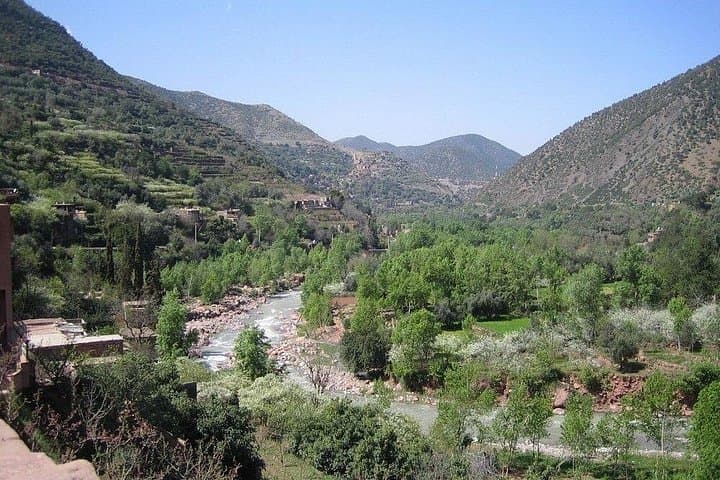
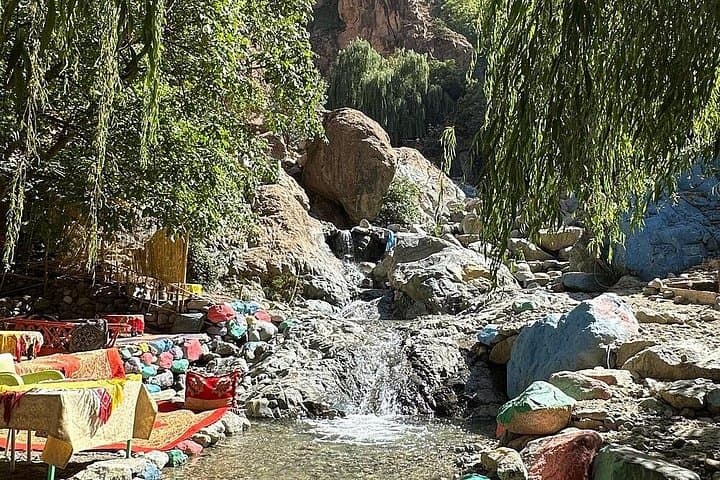
A cool morning mist clings to the high-Atlas slopes as the minivan leaves Marrakesh behind and the plains reshape into folded rock and stepped fields. The Ourika River threads the valley, pushing forward over boulders and carving short, energetic cascades that draw hikers and lunch parties alike. Guides point out terraced plots and stone houses as the road climbs; the village voices and the scent of mint tea arrive as tangible welcome signs.
Verified experiences and guided adventures in the surrounding area.
Operated by Imlil Guide · Ourika, Marrakesh-Safi
A cool morning mist clings to the high-Atlas slopes as the minivan leaves Marrakesh behind and the plains reshape into folded rock and stepped fields. The Ourika River threads the valley, pushing forward over boulders and carving short, energetic cascades that draw hikers and lunch parties alike. Guides point out terraced plots and stone houses as the road climbs; the village voices and the scent of mint tea arrive as tangible welcome signs.
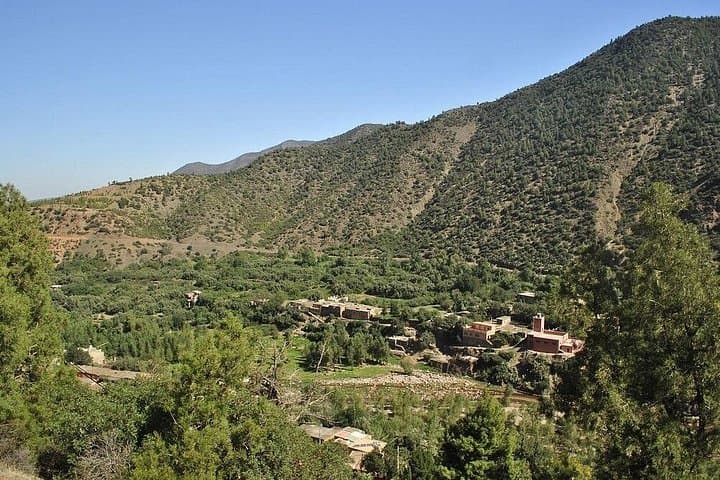
Geology here is immediate—exposed schist and limestone that split under seasonal torrents, producing the stepped waterfalls most visitors aim to see. The valley has long been inhabited by Amazigh (Berber) communities whose agricultural terraces and olive groves shape both the scenery and the local economy. Setti Fatma and nearby hamlets offer simple cafés and tea rituals that reveal cultural rhythms tied to water and altitude.
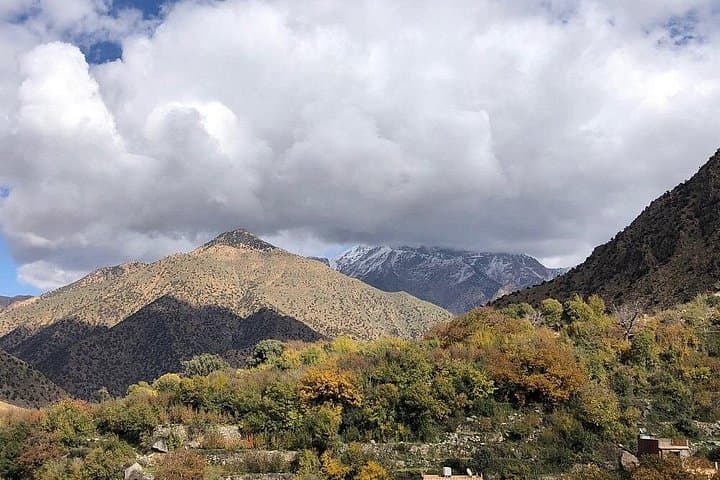
Practically, expect easy-to-moderate walking on uneven, sometimes steep paths to reach the cascades—many visitors take short guided hikes of 30–90 minutes each way. Summer brings warm river fords and packed trails; spring and autumn offer cooler hiking and flowering orchards. Wear closed shoes with good grip, bring a refillable water bottle, and plan for changing conditions in the afternoon when mountain clouds can roll in.
This is a single-day excursion suited to travelers wanting a mix of light hiking, landscape photography, and cultural contact without technical gear. Early departures beat the crowds; local guides translate both language and terrain, making the waterfalls and villages accessible to most visitors.
The excursion is typically a full-day outing—about 7 hours total including drive time (roughly 45–60 minutes each way) and stops in the valley.
No technical skills are required; trails are short but uneven and include steady inclines—good footwear is recommended.
Many day-trip itineraries include a riverside lunch or tea stop; check the booking specifics to confirm what’s provided.
Most operators offer Marrakech pickup; confirm your pickup location when booking and provide full names and arrival details.
Imlil Guide operates guided outdoor trips and adventures with an emphasis on safety, stewardship, and memorable experiences.
A cool morning mist clings to the high-Atlas slopes as the minivan leaves Marrakesh behind and the plains reshape into folded rock and stepped fields. The Ourika River threads the valley, pushing forward over boulders and carving short, energetic cascades that draw hikers and lunch parties alike. Guides point out terraced plots and stone houses as the road climbs; the village voices and the scent of mint tea arrive as tangible welcome signs.
A cool morning mist clings to the high-Atlas slopes as the minivan leaves Marrakesh behind and the plains reshape into folded rock and stepped fields. The Ourika River threads the valley, pushing forward over boulders and carving short, energetic cascades that draw hikers and lunch parties alike. Guides point out terraced plots and stone houses as the road climbs; the village voices and the scent of mint tea arrive as tangible welcome signs.
Geology here is immediate—exposed schist and limestone that split under seasonal torrents, producing the stepped waterfalls most visitors aim to see. The valley has long been inhabited by Amazigh (Berber) communities whose agricultural terraces and olive groves shape both the scenery and the local economy. Setti Fatma and nearby hamlets offer simple cafés and tea rituals that reveal cultural rhythms tied to water and altitude.
Practically, expect easy-to-moderate walking on uneven, sometimes steep paths to reach the cascades—many visitors take short guided hikes of 30–90 minutes each way. Summer brings warm river fords and packed trails; spring and autumn offer cooler hiking and flowering orchards. Wear closed shoes with good grip, bring a refillable water bottle, and plan for changing conditions in the afternoon when mountain clouds can roll in.
This is a single-day excursion suited to travelers wanting a mix of light hiking, landscape photography, and cultural contact without technical gear. Early departures beat the crowds; local guides translate both language and terrain, making the waterfalls and villages accessible to most visitors.