THE ADVENTURE COLLECTIVE® · Independent discovery and booking for outdoor travel

Escape Marrakech for a private day in the Ourika Valley—walk to Setti Fadma’s waterfalls, visit Berber villages and a pottery workshop, and learn about local plants and farming. This 6–8 hour trip combines easy hiking with cultural stops and private transport.
Escape Marrakech for a private day in the Ourika Valley—walk to Setti Fadma’s waterfalls, visit Berber villages and a pottery workshop, and learn about local plants and farming. This 6–8 hour trip combines easy hiking with cultural stops and private transport.
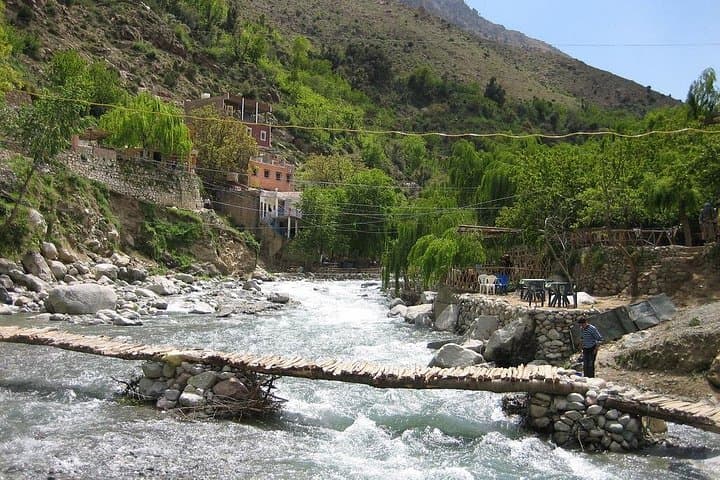
An early drive out of Marrakech points the road toward the High Atlas; olive groves and terraced fields slide past the window as the Ourika river begins to assert itself, cutting a fresh green line through ochre hills. By midmorning you arrive in the valley village—locals moving between cafés and market stalls—and set off with a guide toward Setti Fadma’s cascade stairway.
Verified experiences and guided adventures in the surrounding area.
Operated by Toubkal Guide · Ourika (Setti Fadma area), Marrakesh-Safi
An early drive out of Marrakech points the road toward the High Atlas; olive groves and terraced fields slide past the window as the Ourika river begins to assert itself, cutting a fresh green line through ochre hills. By midmorning you arrive in the valley village—locals moving between cafés and market stalls—and set off with a guide toward Setti Fadma’s cascade stairway.
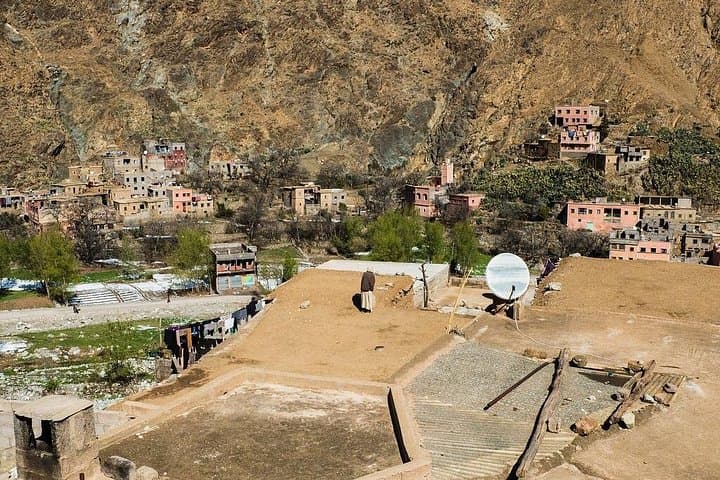
Geology here is direct: folded volcanic and sedimentary rocks of the Atlas uplift make steep ravines and short, fast streams. The valley has long been occupied by Amazigh (Berber) communities; potters, small-scale farmers and the Ghamt Mosque mark a living rural culture that blends Islamic and pre-Islamic Amazigh traditions.
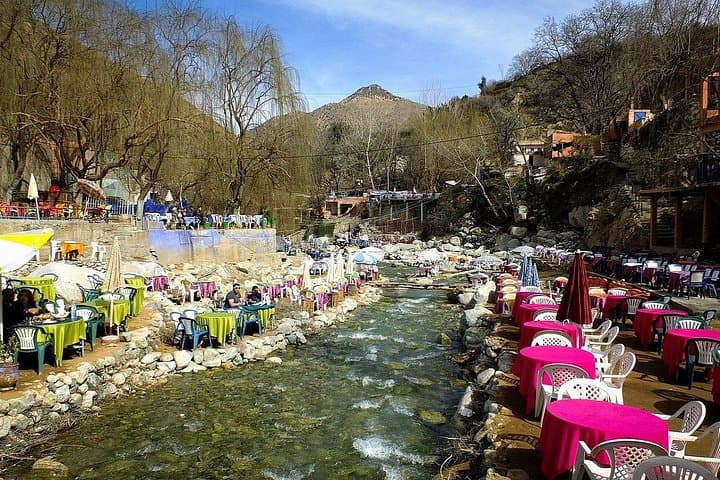
The hike to the seven falls is a series of rocky switchbacks and riverside paths, with the water daring you closer at each pool. Along the way guides often point out medicinal herbs and local farming techniques—terraced irrigation and walnut groves are common. Lunch is typically in a modest family-run restaurant that focuses on tagines, fresh salads, and mint tea.
Practical essentials: expect uneven terrain, short steep sections, and up to 3–4 miles of walking round-trip depending on the waterfall you visit. Start early to avoid midday heat and allow time for stops in pottery workshops and viewpoints. Bring solid shoes, water, sun protection, and a lightweight layer for sudden mountain breezes. Private transport and a local mountain guide are standard on this tour, making it approachable for most travelers who can manage basic footpaths.
The walking portion varies by which falls you reach but plan for 2–4 miles round-trip with some steep sections; total trip length including transport is 6–8 hours.
Yes—many sections are family-friendly, but uneven steps and river crossings mean supervision and steady footwear are important for children and older adults.
Lunch in a local Berber restaurant is typically included; additional drinks and snacks at cafés are usually at your own expense.
A local mountain guide is provided on this private tour for navigation, interpretation of plants and culture, and safety on the trails.
Toubkal Guide operates guided outdoor trips and adventures with an emphasis on safety, stewardship, and memorable experiences.

An early drive out of Marrakech points the road toward the High Atlas; olive groves and terraced fields slide past the window as the Ourika river begins to assert itself, cutting a fresh green line through ochre hills. By midmorning you arrive in the valley village—locals moving between cafés and market stalls—and set off with a guide toward Setti Fadma’s cascade stairway.
An early drive out of Marrakech points the road toward the High Atlas; olive groves and terraced fields slide past the window as the Ourika river begins to assert itself, cutting a fresh green line through ochre hills. By midmorning you arrive in the valley village—locals moving between cafés and market stalls—and set off with a guide toward Setti Fadma’s cascade stairway.
Geology here is direct: folded volcanic and sedimentary rocks of the Atlas uplift make steep ravines and short, fast streams. The valley has long been occupied by Amazigh (Berber) communities; potters, small-scale farmers and the Ghamt Mosque mark a living rural culture that blends Islamic and pre-Islamic Amazigh traditions.
The hike to the seven falls is a series of rocky switchbacks and riverside paths, with the water daring you closer at each pool. Along the way guides often point out medicinal herbs and local farming techniques—terraced irrigation and walnut groves are common. Lunch is typically in a modest family-run restaurant that focuses on tagines, fresh salads, and mint tea.
Practical essentials: expect uneven terrain, short steep sections, and up to 3–4 miles of walking round-trip depending on the waterfall you visit. Start early to avoid midday heat and allow time for stops in pottery workshops and viewpoints. Bring solid shoes, water, sun protection, and a lightweight layer for sudden mountain breezes. Private transport and a local mountain guide are standard on this tour, making it approachable for most travelers who can manage basic footpaths.