THE ADVENTURE COLLECTIVE® · Independent discovery and booking for outdoor travel

Escape Marrakech for a full-day trip into the High Atlas to hike to Setti Fadma’s seven waterfalls and visit a traditional Berber house. This easy-to-moderate outing pairs riverside trails and cultural stops with an air-conditioned transfer from the city.
Escape Marrakech for a full-day trip into the High Atlas to hike to Setti Fadma’s seven waterfalls and visit a traditional Berber house. This easy-to-moderate outing pairs riverside trails and cultural stops with an air-conditioned transfer from the city.
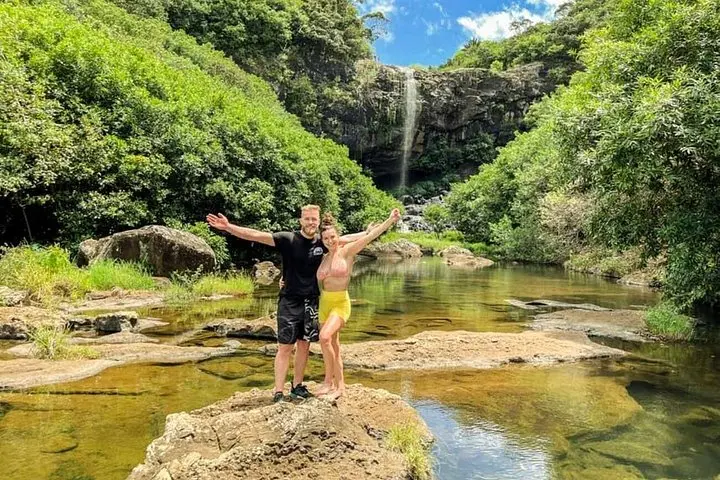
You leave Marrakech behind as red earth flattens into foothills, the road threading into the High Atlas where pine and argan trees edge narrow terraces. In the morning light the Ourika River calls—its riffles daring you toward the green corridor of Setti Fadma and the chain of seven waterfalls.
Verified experiences and guided adventures in the surrounding area.
Operated by MarrakechAttraction.com · Setti Fadma (Ourika Valley), Marrakesh-Safi
You leave Marrakech behind as red earth flattens into foothills, the road threading into the High Atlas where pine and argan trees edge narrow terraces. In the morning light the Ourika River calls—its riffles daring you toward the green corridor of Setti Fadma and the chain of seven waterfalls.
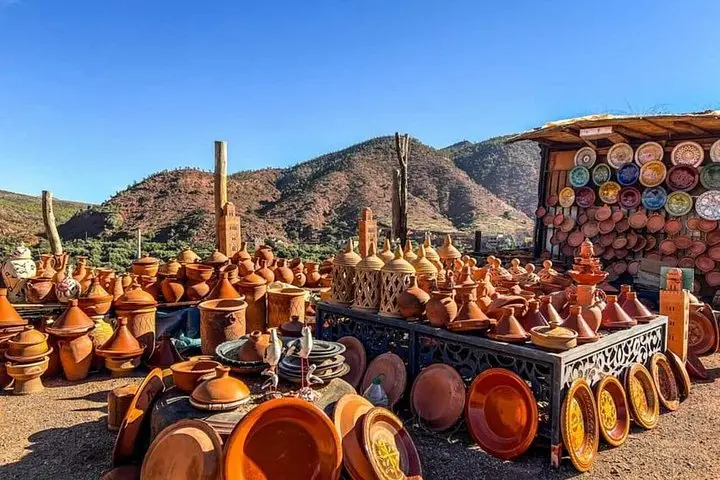
The valley holds plainspoken history: Amazigh (Berber) villages carved living space into steep slopes for generations, irrigating terraces and pressing argan nuts into oil sold at roadside cooperatives. Geologically the High Atlas is young and rugged, folded by tectonic collision; the waterfalls are where porous rock meets harder bands, forcing streams to step down in clear, cool drops. Culture here is direct and hospitable—expect to be offered mint tea in a family home and to hear stories of seasonal planting and market days (Monday is the main local souk).
On the trail, paths are stone and packed earth with short steep sections and river-crossing rocks. The hike to the cascades is rewarding but uneven; birds wheel overhead and occasional macaques may watch from the trees. In practical terms: lunch is not included, transport is typically an air-conditioned shared vehicle with pickup in Marrakech, and you should plan for an 8-hour outing that mixes easy driving, light hiking, and time for exploration.
Bring sturdy shoes, water, sun protection and a sense of patience—locals move at a different rhythm. Small fees support local guides and cooperatives; treading lightly keeps these valleys open for future visitors.
The walking segments to the main cascades total roughly 1–2 hours round trip depending on pace and how many falls you visit; terrain is uneven with short steep sections.
No—lunch is at your own expense; guides will stop at local restaurants or you can relax by the river and eat independently.
Yes—families often join; trails are suitable for older children who can manage rocky steps, while infants may be in carriers.
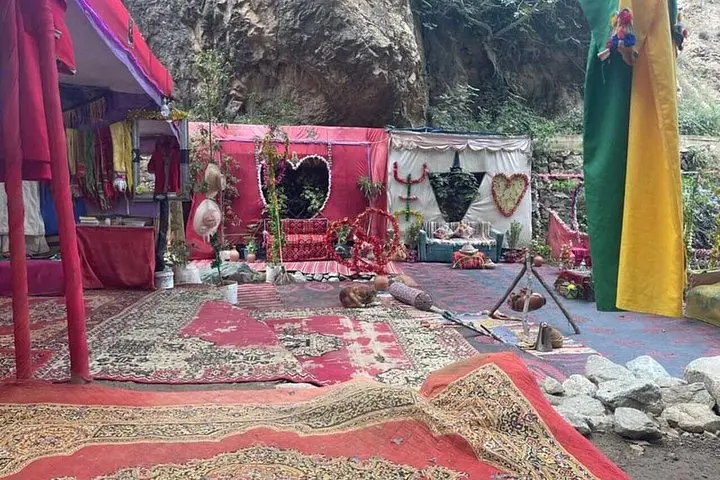
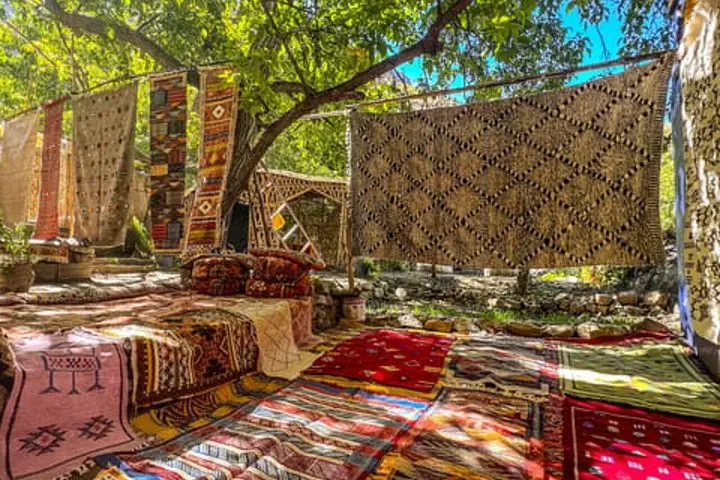
Yes—the tour commonly includes a visit to a traditional Berber house for mint tea and a cultural exchange with a local family.
MarrakechAttraction.com operates guided outdoor trips and adventures with an emphasis on safety, stewardship, and memorable experiences.
You leave Marrakech behind as red earth flattens into foothills, the road threading into the High Atlas where pine and argan trees edge narrow terraces. In the morning light the Ourika River calls—its riffles daring you toward the green corridor of Setti Fadma and the chain of seven waterfalls.
You leave Marrakech behind as red earth flattens into foothills, the road threading into the High Atlas where pine and argan trees edge narrow terraces. In the morning light the Ourika River calls—its riffles daring you toward the green corridor of Setti Fadma and the chain of seven waterfalls.
The valley holds plainspoken history: Amazigh (Berber) villages carved living space into steep slopes for generations, irrigating terraces and pressing argan nuts into oil sold at roadside cooperatives. Geologically the High Atlas is young and rugged, folded by tectonic collision; the waterfalls are where porous rock meets harder bands, forcing streams to step down in clear, cool drops. Culture here is direct and hospitable—expect to be offered mint tea in a family home and to hear stories of seasonal planting and market days (Monday is the main local souk).
On the trail, paths are stone and packed earth with short steep sections and river-crossing rocks. The hike to the cascades is rewarding but uneven; birds wheel overhead and occasional macaques may watch from the trees. In practical terms: lunch is not included, transport is typically an air-conditioned shared vehicle with pickup in Marrakech, and you should plan for an 8-hour outing that mixes easy driving, light hiking, and time for exploration.
Bring sturdy shoes, water, sun protection and a sense of patience—locals move at a different rhythm. Small fees support local guides and cooperatives; treading lightly keeps these valleys open for future visitors.