THE ADVENTURE COLLECTIVE® · Independent discovery and booking for outdoor travel

Spend a day following the Ourika River into the High Atlas to reach the Setti Fatma cascades and meet local Berber communities. This accessible day trip from Marrakech blends short hikes, market visits, and cultural exchange with steady waterfall views.
Spend a day following the Ourika River into the High Atlas to reach the Setti Fatma cascades and meet local Berber communities. This accessible day trip from Marrakech blends short hikes, market visits, and cultural exchange with steady waterfall views.
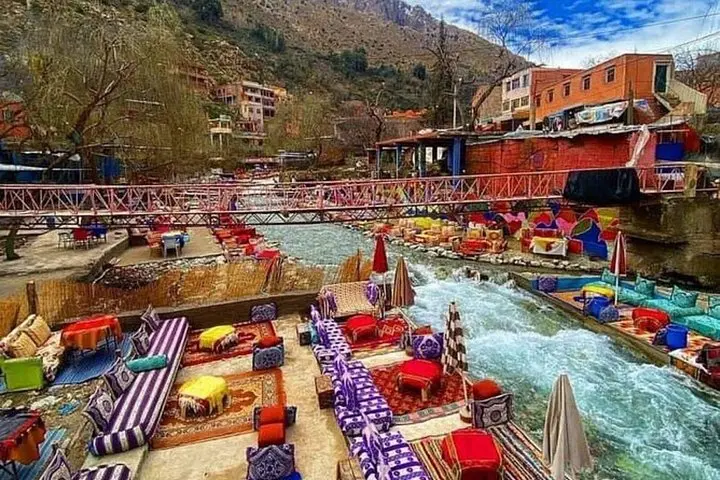
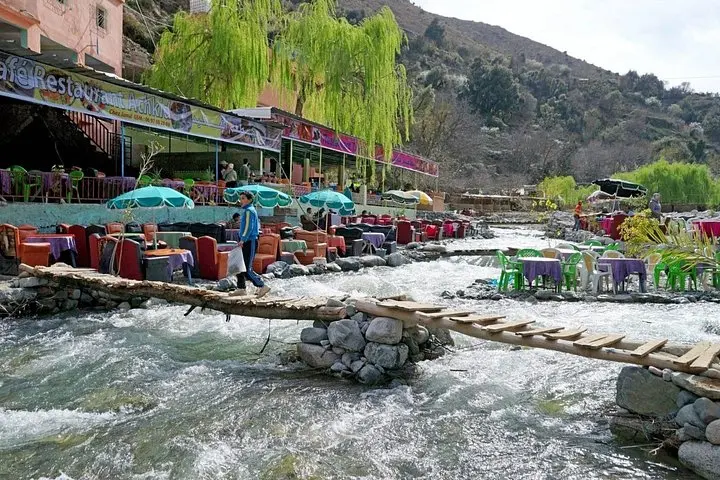
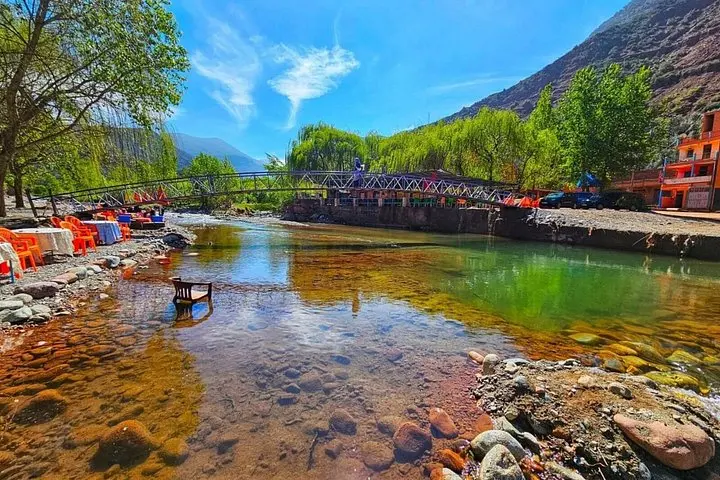
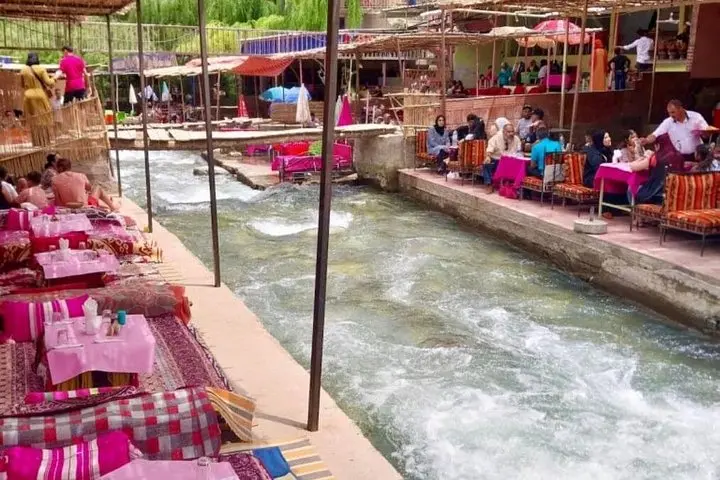
A cool morning air from the High Atlas presses against the bus window as Marrakech slips away and terraces and olive groves rise. By midmorning the river becomes the landscape’s engine—bubbling, coaxing, daring you toward the Setti Fatma cascades where water cuts step-like falls into pools framed by chestnut and argan trees.
Verified experiences and guided adventures in the surrounding area.
Operated by Taghazoute Tours · Marrakech, Marrakech-Safi
A cool morning air from the High Atlas presses against the bus window as Marrakech slips away and terraces and olive groves rise. By midmorning the river becomes the landscape’s engine—bubbling, coaxing, daring you toward the Setti Fatma cascades where water cuts step-like falls into pools framed by chestnut and argan trees.
The Ourika Valley is a working landscape shaped by river erosion and human terraces. Geologically it sits on the southern flank of the High Atlas where uplift and seasonal torrents have carved tight gorges and scatterings of rounded rock. Culturally the valley is part of Amazigh (Berber) country: small villages, cooperative handicrafts, and mountain houses that host visitors and preserve weaving and pottery traditions.
On a guided day trip from Marrakech you’ll move between vantage points rather than attempt a technical climb—short hikes on uneven tracks bring you to several cascades, local markets, and a visit inside a Berber house. Photographers will find layered compositions of water, stone, and family life; hikers will appreciate steady climbs of a few hundred feet to the main viewpoints.
Plan practically: morning departures avoid midday heat, carry 1–2 liters of water, wear grippy shoes for wet stone, and bring small bills for market purchases and tips. Respect local customs—ask before photographing people—and leave no trace on trails. The trip balances culture, geology, and easy outdoor movement: a compact Atlas day that rewards curiosity without demanding mountaineering experience.
Expect roughly 45–75 minutes one way depending on traffic and the exact meeting point—plan a full 6–7 hour outing including transfers.
No—walking to the cascades involves short, sometimes steep paths and wet stones; basic mobility is sufficient and the tour is rated easy.
This tour’s inclusions list an entrance to Setti Fatma and the Seven Cascades; confirm with your operator for any changes.
Yes—the itinerary commonly includes a short visit to a Berber house to learn about local crafts and daily life; always ask before photographing residents.
Taghazoute Tours operates guided outdoor trips and adventures with an emphasis on safety, stewardship, and memorable experiences.
A cool morning air from the High Atlas presses against the bus window as Marrakech slips away and terraces and olive groves rise. By midmorning the river becomes the landscape’s engine—bubbling, coaxing, daring you toward the Setti Fatma cascades where water cuts step-like falls into pools framed by chestnut and argan trees.
A cool morning air from the High Atlas presses against the bus window as Marrakech slips away and terraces and olive groves rise. By midmorning the river becomes the landscape’s engine—bubbling, coaxing, daring you toward the Setti Fatma cascades where water cuts step-like falls into pools framed by chestnut and argan trees.
The Ourika Valley is a working landscape shaped by river erosion and human terraces. Geologically it sits on the southern flank of the High Atlas where uplift and seasonal torrents have carved tight gorges and scatterings of rounded rock. Culturally the valley is part of Amazigh (Berber) country: small villages, cooperative handicrafts, and mountain houses that host visitors and preserve weaving and pottery traditions.
On a guided day trip from Marrakech you’ll move between vantage points rather than attempt a technical climb—short hikes on uneven tracks bring you to several cascades, local markets, and a visit inside a Berber house. Photographers will find layered compositions of water, stone, and family life; hikers will appreciate steady climbs of a few hundred feet to the main viewpoints.
Plan practically: morning departures avoid midday heat, carry 1–2 liters of water, wear grippy shoes for wet stone, and bring small bills for market purchases and tips. Respect local customs—ask before photographing people—and leave no trace on trails. The trip balances culture, geology, and easy outdoor movement: a compact Atlas day that rewards curiosity without demanding mountaineering experience.