
Ourika Valley Waterfalls Day Trip from Marrakech — Setti Fatma Cascades & Berber Villages
Leave Marrakech for a day and follow the Ourika River into the High Atlas foothills to visit Setti Fatma’s waterfalls and traditional Berber villages. This accessible day trip mixes short hikes, riverside lunch, and cultural insight into a single 8‑hour outing.
An Adventure In Marrakech.
Leave Marrakech for a day and follow the Ourika River into the High Atlas foothills to visit Setti Fatma’s waterfalls and traditional Berber villages. This accessible day trip mixes short hikes, riverside lunch, and cultural insight into a single 8‑hour outing.
Read the full experience
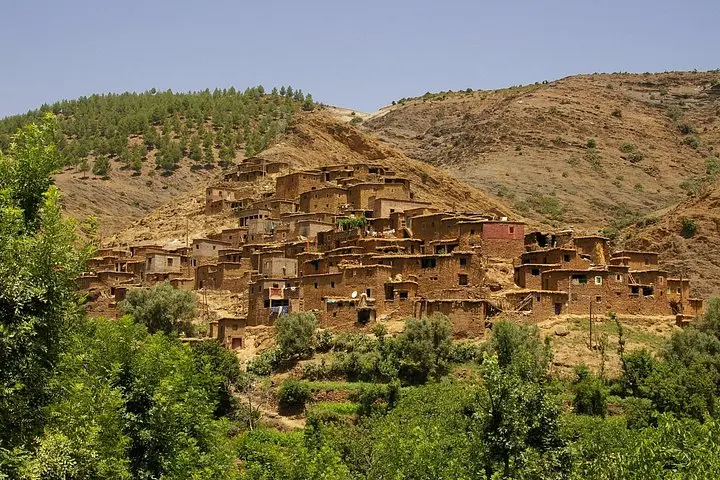
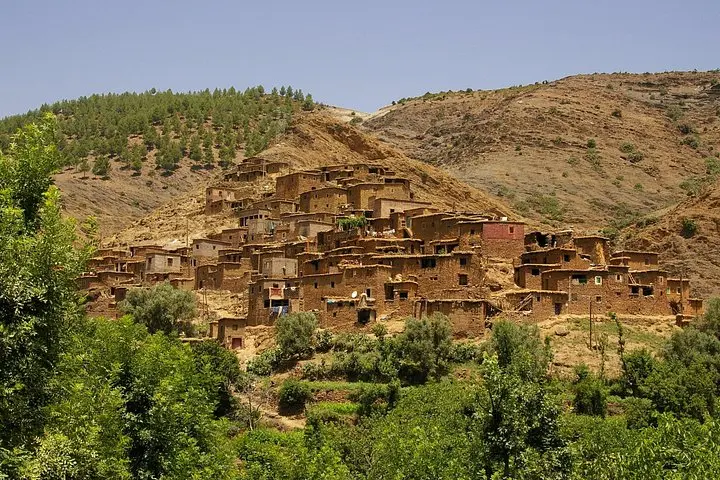
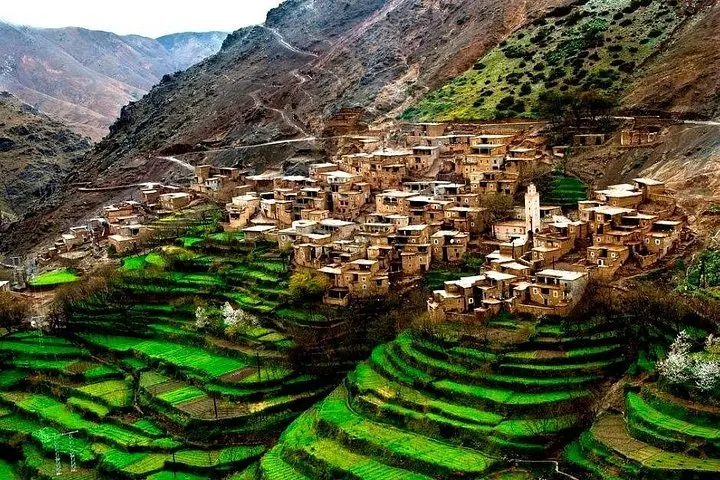
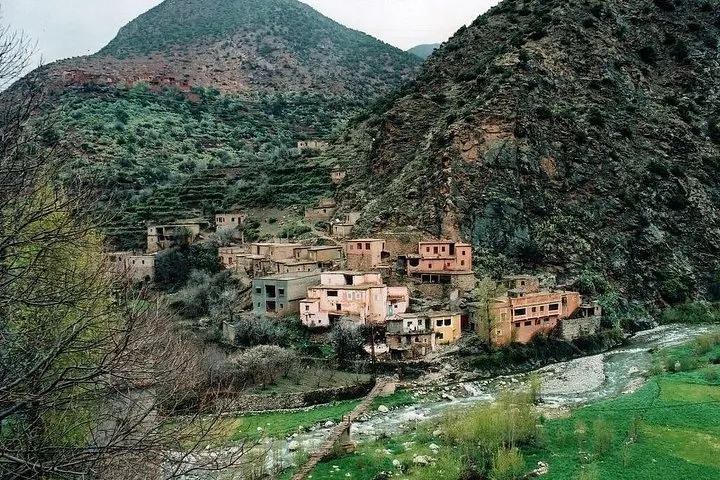
You step out of Marrakech's dust and into a corridor of green: the road falls away as the Atlas foothills rise, terraces and dry-stone villages appearing like chapters in a long, lived story. The Ourika River runs ahead, daring you to follow where it carves steep beds and drops into clear, pounding falls at Setti Fatma.
You step out of Marrakech's dust and into a corridor of green: the road falls away as the Atlas foothills rise, terraces and dry-stone villages appearing like chapters in a long, lived story. The Ourika River runs ahead, daring you to follow where it carves steep beds and drops into clear, pounding falls at Setti Fatma.
This valley is part of the southern slopes of the High Atlas, formed by glacial and fluvial forces that left steep-sided gorges and stepped alluvial fans. Human history is visible in low stone houses and Berber farms—pottery, woven belts and almond groves that have shaped local life for generations. In spring, meltwater makes the cascades loud and dramatic; in summer, the river threads calmer pools.
The tour typically includes a scenic drive from Marrakech (about 45–60 minutes each way), a riverside lunch, a guided climb to the main waterfalls (short but steep in places), and a stop for mint tea with a Berber family to observe daily life and pottery traditions.
Practical notes: wear sturdy shoes with grip for wet rocks, carry water and sun protection, and expect uneven paths when climbing to the falls. The visit is accessible for most fitness levels but involves short uphill sections and stone steps.
Timing your visit for early morning or late afternoon reduces crowds and brings softer light for photos. Respect private terraces and ask before photographing people—many families welcome conversation and offer locally made crafts as small souvenirs.
Frequently asked questions
The road to the Ourika Valley takes roughly 45–60 minutes each way depending on traffic and the exact pickup point in Marrakech.
The path to the main cascades involves stone steps and some steep sections; children and older visitors can usually manage with frequent rests and proper footwear.
Many tour operators and local guides speak English, French, and Spanish; check in advance if you need a specific language guide.
Yes—riverside stalls and small family businesses sell simple lunches, tea and pottery, but bring cash as card facilities are limited.
About This Experience
Morocco Cheap Travel Company operates guided outdoor trips and adventures with an emphasis on safety, stewardship, and memorable experiences.
Adventure tips
Recommended gear
- Sturdy trail shoes: Grip for wet rocks and stability on uneven village paths.
- Reusable water bottle (1–2L): Keeps you hydrated during the drive, hike, and riverside lunch.
- Sun hat and sunscreen: Protects against strong sun in exposed valley stretches.
- Light rain shell or windbreaker: Useful during spring melt when weather can shift and spray from falls chills the air.
Photos of the experience
Related adventures & guides
Read the full experience
You step out of Marrakech's dust and into a corridor of green: the road falls away as the Atlas foothills rise, terraces and dry-stone villages appearing like chapters in a long, lived story. The Ourika River runs ahead, daring you to follow where it carves steep beds and drops into clear, pounding falls at Setti Fatma.
You step out of Marrakech's dust and into a corridor of green: the road falls away as the Atlas foothills rise, terraces and dry-stone villages appearing like chapters in a long, lived story. The Ourika River runs ahead, daring you to follow where it carves steep beds and drops into clear, pounding falls at Setti Fatma.
This valley is part of the southern slopes of the High Atlas, formed by glacial and fluvial forces that left steep-sided gorges and stepped alluvial fans. Human history is visible in low stone houses and Berber farms—pottery, woven belts and almond groves that have shaped local life for generations. In spring, meltwater makes the cascades loud and dramatic; in summer, the river threads calmer pools.
The tour typically includes a scenic drive from Marrakech (about 45–60 minutes each way), a riverside lunch, a guided climb to the main waterfalls (short but steep in places), and a stop for mint tea with a Berber family to observe daily life and pottery traditions.
Practical notes: wear sturdy shoes with grip for wet rocks, carry water and sun protection, and expect uneven paths when climbing to the falls. The visit is accessible for most fitness levels but involves short uphill sections and stone steps.
Timing your visit for early morning or late afternoon reduces crowds and brings softer light for photos. Respect private terraces and ask before photographing people—many families welcome conversation and offer locally made crafts as small souvenirs.
Make a day of it nearby.
Verified experiences and guided adventures in the surrounding area.