THE ADVENTURE COLLECTIVE® · Independent discovery and booking for outdoor travel

A day trip from Marrakech to the Ourika Valley brings a hands-on encounter with Atlas foothills: a guided walk to Setti Fatma's cascading streams, lunch by the river and visits to Berber villages. Expect 7–8 hours door-to-door, uneven stone paths and local hospitality.
A day trip from Marrakech to the Ourika Valley brings a hands-on encounter with Atlas foothills: a guided walk to Setti Fatma's cascading streams, lunch by the river and visits to Berber villages. Expect 7–8 hours door-to-door, uneven stone paths and local hospitality.
You leave Marrakech midmorning and the city yields to a spreading ochre landscape: low scrub, distant ridgelines of the High Atlas, and the road dipping toward a green ribbon — the Ourika River. By the time you reach Setti Fatma the river is already carving its way through riverbed rock, daring you to follow the cool current upstream to a series of small but lively waterfalls.
Verified experiences and guided adventures in the surrounding area.
Operated by Tours Around Morocco · Setti Fatma, Marrakech-Safi
You leave Marrakech midmorning and the city yields to a spreading ochre landscape: low scrub, distant ridgelines of the High Atlas, and the road dipping toward a green ribbon — the Ourika River. By the time you reach Setti Fatma the river is already carving its way through riverbed rock, daring you to follow the cool current upstream to a series of small but lively waterfalls.
The valley has long been home to Berber communities whose terraces and stone houses step down the slopes. Geologically the area is an outlier of the High Atlas foothills: streams swollen by snowmelt and seasonal rain run over hard schist and sandstone, creating riffles, plunge pools and short cascades rather than a single towering fall. The cultural rhythm is rural — shepherds, mule tracks and the invitation of mint tea shared beside the river.
Practically, expect a full 7–8 hour day including transfers. The walk from Setti Fatma village to the main cascade is generally 2–4 km roundtrip with roughly 200–300 m of cumulative ascent on uneven, rocky paths and stone steps; there are short stream crossings. A local guide leads the route, explains Berber customs and arranges lunch at a riverside restaurant. Bring sturdy shoes with grip, sun protection and a light daypack; carry cash for village purchases and tips. Start early to avoid midday heat in summer and allow extra time for roadside photo stops on the return to Marrakech.
The guided walk from Setti Fatma to the main cascade is typically 2–4 km roundtrip and takes 1–2 hours depending on pace and stops.
Families with older children who can handle rocky paths can usually join; infants require carriers and the operator notes stroller access for short sections may be limited.
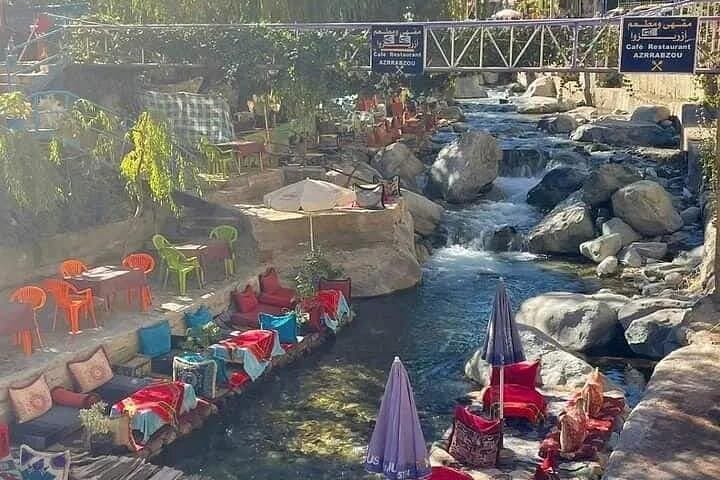
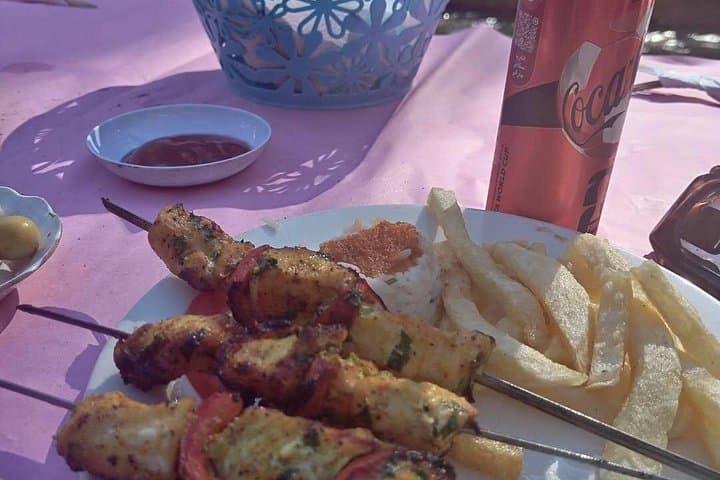
Lunch at a local riverside restaurant and mint tea at a Berber family are included, but bring extra cash for drinks or snacks you might want.
Most tours include hotel pickup and drop-off in Marrakech by air-conditioned vehicle; confirm your pickup point when booking.
Tours Around Morocco operates guided outdoor trips and adventures with an emphasis on safety, stewardship, and memorable experiences.


You leave Marrakech midmorning and the city yields to a spreading ochre landscape: low scrub, distant ridgelines of the High Atlas, and the road dipping toward a green ribbon — the Ourika River. By the time you reach Setti Fatma the river is already carving its way through riverbed rock, daring you to follow the cool current upstream to a series of small but lively waterfalls.
You leave Marrakech midmorning and the city yields to a spreading ochre landscape: low scrub, distant ridgelines of the High Atlas, and the road dipping toward a green ribbon — the Ourika River. By the time you reach Setti Fatma the river is already carving its way through riverbed rock, daring you to follow the cool current upstream to a series of small but lively waterfalls.
The valley has long been home to Berber communities whose terraces and stone houses step down the slopes. Geologically the area is an outlier of the High Atlas foothills: streams swollen by snowmelt and seasonal rain run over hard schist and sandstone, creating riffles, plunge pools and short cascades rather than a single towering fall. The cultural rhythm is rural — shepherds, mule tracks and the invitation of mint tea shared beside the river.
Practically, expect a full 7–8 hour day including transfers. The walk from Setti Fatma village to the main cascade is generally 2–4 km roundtrip with roughly 200–300 m of cumulative ascent on uneven, rocky paths and stone steps; there are short stream crossings. A local guide leads the route, explains Berber customs and arranges lunch at a riverside restaurant. Bring sturdy shoes with grip, sun protection and a light daypack; carry cash for village purchases and tips. Start early to avoid midday heat in summer and allow extra time for roadside photo stops on the return to Marrakech.