THE ADVENTURE COLLECTIVE® · Independent discovery and booking for outdoor travel

Escape Marrakech for a day in the High Atlas: hike to Setti Fatma’s cascading falls, visit an argan cooperative, and enjoy panoramic mountain driving. This practical day trip blends a moderate hike, local culture, and scenic viewpoints.
Escape Marrakech for a day in the High Atlas: hike to Setti Fatma’s cascading falls, visit an argan cooperative, and enjoy panoramic mountain driving. This practical day trip blends a moderate hike, local culture, and scenic viewpoints.
You step out of Marrakech's warmth and into a mountain air that cuts clean and bright—olive terraces stretch away, and the road climbs toward the High Atlas with Berber villages clinging to the slopes. The Ourika River threads the valley below, its rapids daring you closer as you roll into Setti Fatma for the day.
Verified experiences and guided adventures in the surrounding area.
Operated by Asfani Travel · Setti Fatma, Marrakech-Safi
You step out of Marrakech's warmth and into a mountain air that cuts clean and bright—olive terraces stretch away, and the road climbs toward the High Atlas with Berber villages clinging to the slopes. The Ourika River threads the valley below, its rapids daring you closer as you roll into Setti Fatma for the day.
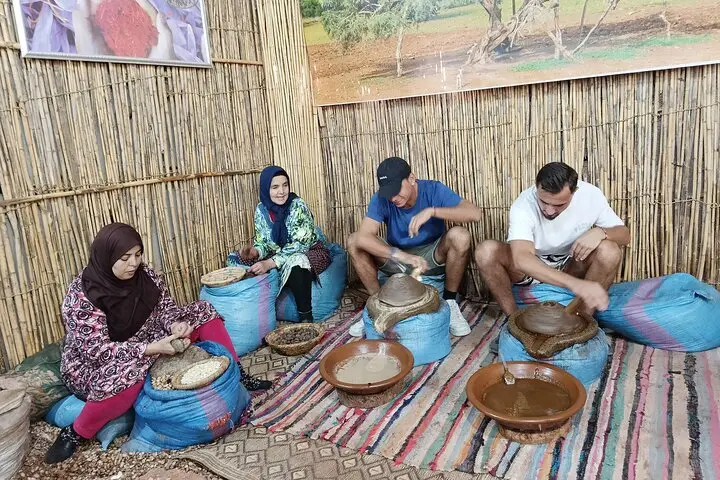
This route follows an ancient transhumance corridor where Amazigh (Berber) communities have farmed terraced plots for centuries. Geology here is fold-and-thrust: weathered schists and limestone carved by seasonal torrents create the cascades known locally as the Seven Waterfalls. Culture is tactile—argan presses and cooperative workshops demonstrate a livelihood built from the land, while mint tea offers a customary pause.
On the hike expect roughly 1.5–3 km of trails to reach successive falls, with rocky steps, occasional loose scree and river crossings. Terrain alternates shaded paths under walnut and poplar to exposed viewpoints with sweeping mountain panoramas. A local guide keeps the pace steady and points out medicinal plants and traditional building styles.
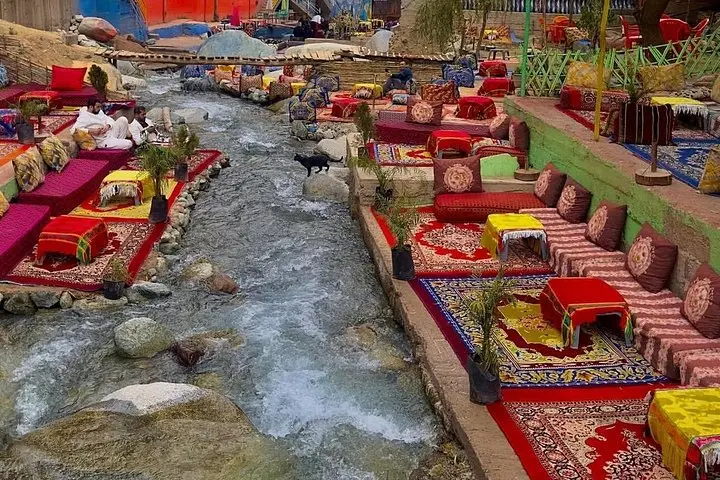
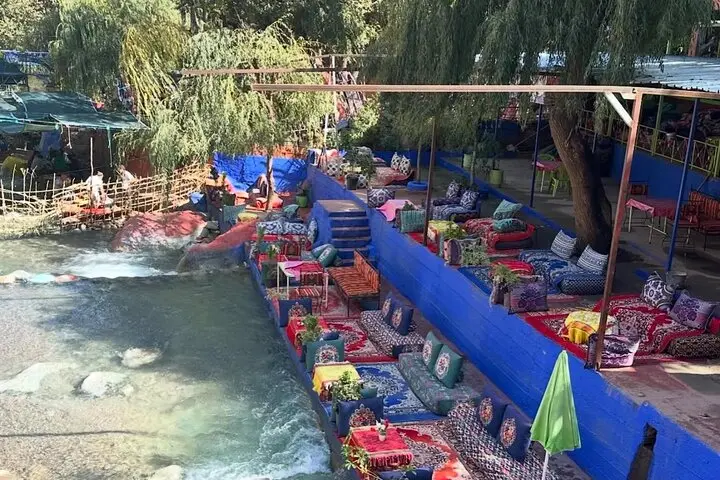
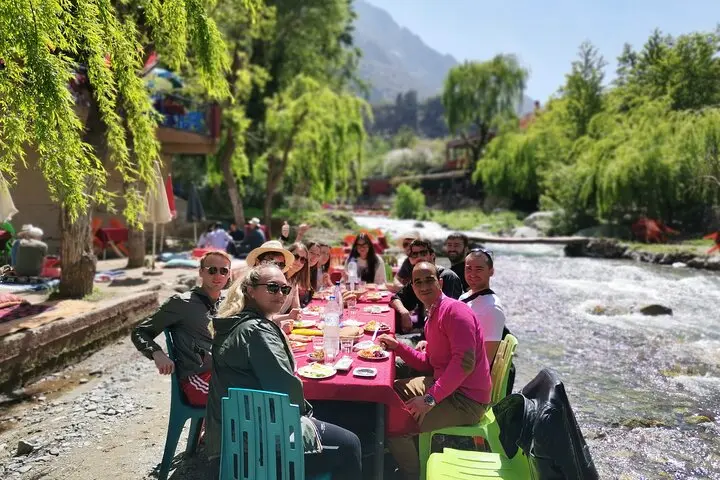
Practical details: this is a 6–7 hour round trip from Marrakech with pickup, a moderate fitness requirement and sections that are damp and slippery after rain. Wear grippy shoes, carry water, and plan for strong sun in open stretches. Try local breads and tagine riverside; purchase argan products from cooperatives to support women’s initiatives.
Timing your visit for morning or late afternoon reduces heat and crowds; the valley moves with a calm, deliberate rhythm—listen for water and let the landscape set your pace.
The guided hike segments total about 1.5–3 km each way depending on how many falls you visit; plan for 1.5–3 hours including stops.
Many can participate but the trail includes uneven footing and some steeper sections; families with active children and moderately fit older travelers generally manage with care.
Yes, people often dip in the natural pools when conditions are safe, but water can be cold and currents variable—exercise caution.
Yes—visits include a women's cooperative where you can observe production and purchase products that support local incomes.
Asfani Travel operates guided outdoor trips and adventures with an emphasis on safety, stewardship, and memorable experiences.
You step out of Marrakech's warmth and into a mountain air that cuts clean and bright—olive terraces stretch away, and the road climbs toward the High Atlas with Berber villages clinging to the slopes. The Ourika River threads the valley below, its rapids daring you closer as you roll into Setti Fatma for the day.
You step out of Marrakech's warmth and into a mountain air that cuts clean and bright—olive terraces stretch away, and the road climbs toward the High Atlas with Berber villages clinging to the slopes. The Ourika River threads the valley below, its rapids daring you closer as you roll into Setti Fatma for the day.
This route follows an ancient transhumance corridor where Amazigh (Berber) communities have farmed terraced plots for centuries. Geology here is fold-and-thrust: weathered schists and limestone carved by seasonal torrents create the cascades known locally as the Seven Waterfalls. Culture is tactile—argan presses and cooperative workshops demonstrate a livelihood built from the land, while mint tea offers a customary pause.
On the hike expect roughly 1.5–3 km of trails to reach successive falls, with rocky steps, occasional loose scree and river crossings. Terrain alternates shaded paths under walnut and poplar to exposed viewpoints with sweeping mountain panoramas. A local guide keeps the pace steady and points out medicinal plants and traditional building styles.
Practical details: this is a 6–7 hour round trip from Marrakech with pickup, a moderate fitness requirement and sections that are damp and slippery after rain. Wear grippy shoes, carry water, and plan for strong sun in open stretches. Try local breads and tagine riverside; purchase argan products from cooperatives to support women’s initiatives.
Timing your visit for morning or late afternoon reduces heat and crowds; the valley moves with a calm, deliberate rhythm—listen for water and let the landscape set your pace.