THE ADVENTURE COLLECTIVE® · Independent discovery and booking for outdoor travel

Spend a day in the Ourika Valley: walk to waterfalls, visit an Amazigh argan cooperative, and take in terraced mountain landscapes just outside Marrakech. This private tour pairs easy riverside hikes with local cultural stops.
Spend a day in the Ourika Valley: walk to waterfalls, visit an Amazigh argan cooperative, and take in terraced mountain landscapes just outside Marrakech. This private tour pairs easy riverside hikes with local cultural stops.
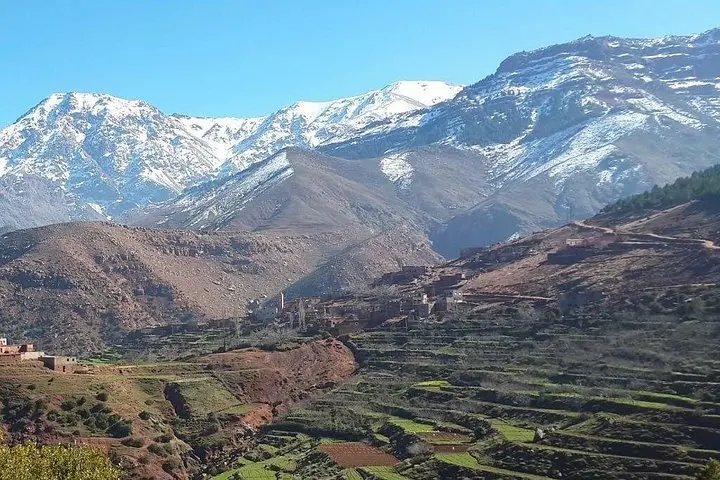
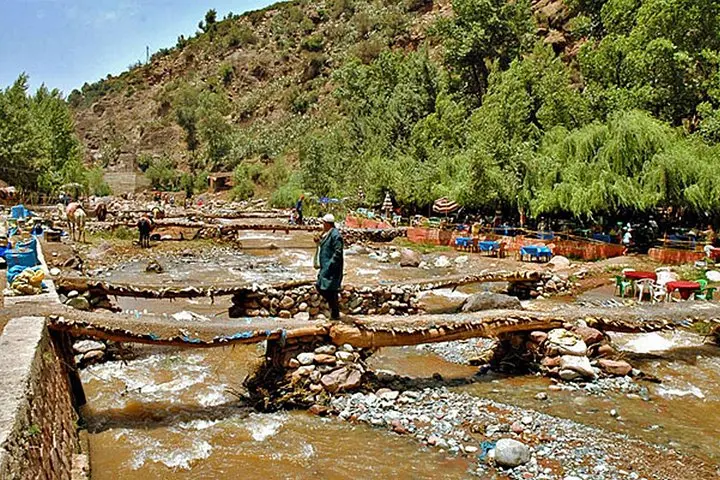
Morning light slices the Atlas ridgeline as you leave Marrakech’s red walls and slide into green valleys. The road narrows, villages press against terraces, and the river begins to speak—pulling you toward stepping-stone crossings and the first of Setti Fatma’s cascades.
Verified experiences and guided adventures in the surrounding area.
Operated by The Alternative Morocco · Ourika, Marrakesh-Safi
Morning light slices the Atlas ridgeline as you leave Marrakech’s red walls and slide into green valleys. The road narrows, villages press against terraces, and the river begins to speak—pulling you toward stepping-stone crossings and the first of Setti Fatma’s cascades.
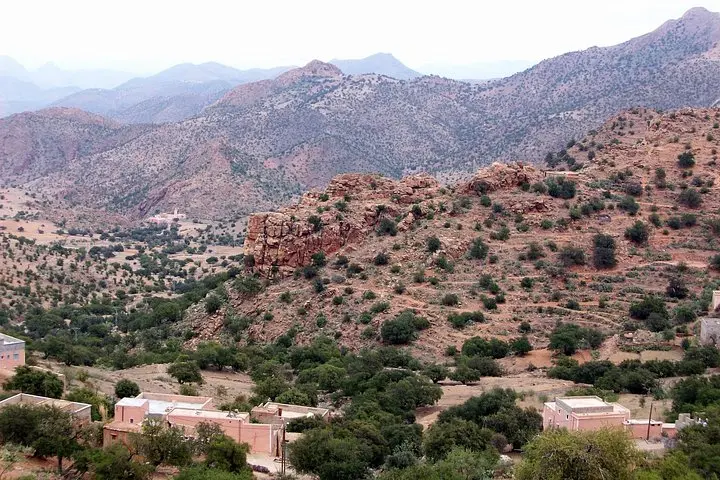
The Ourika Valley has long supported Amazigh (Berber) communities who carved the hillside into orchards and vegetable terraces. Geologically, this is the High Atlas’s foothills—folded schists and limestone channels that funnel winter snows into a year-round stream system, producing waterfalls that vary with the seasons.
On this private day trip you’ll pause at a women-run argan cooperative to watch traditional oil presses and see how the local economy links forest, livestock, and small-scale agriculture. A local guide leads a riverside walk to several falls in the Sidi Fatma area—stair-stepped paths, uneven rock steps and short climbs reward you with spray-cooled air and vantage points over terraced fields.
Expect a mix of flat riverside walking and stair-climbs totaling a few kilometers round trip; photographers and birders will find plenty of interest. Lunch is typically a riverside restaurant serving tagine and mint tea.
Practical notes: timing matters—start early to avoid midday crowds and the hottest hours; carry water, a good pair of walking shoes, and modest clothing out of respect for local customs. Staying with a guide supports villages along the route and keeps navigation straightforward on narrow mountain roads.
The guided walk typically covers a few kilometers over 1–3 hours depending on stops and your walking pace.
Yes—route options are flexible and described as suitable for all fitness levels, but expect uneven terrain and short stair climbs.
Lunch and air-conditioned round-trip transport from Marrakech are included; confirm pickup details at booking.
Yes—most itineraries stop at a women-run cooperative where you can observe production and purchase oils and cosmetics.
The Alternative Morocco operates guided outdoor trips and adventures with an emphasis on safety, stewardship, and memorable experiences.
Morning light slices the Atlas ridgeline as you leave Marrakech’s red walls and slide into green valleys. The road narrows, villages press against terraces, and the river begins to speak—pulling you toward stepping-stone crossings and the first of Setti Fatma’s cascades.
Morning light slices the Atlas ridgeline as you leave Marrakech’s red walls and slide into green valleys. The road narrows, villages press against terraces, and the river begins to speak—pulling you toward stepping-stone crossings and the first of Setti Fatma’s cascades.
The Ourika Valley has long supported Amazigh (Berber) communities who carved the hillside into orchards and vegetable terraces. Geologically, this is the High Atlas’s foothills—folded schists and limestone channels that funnel winter snows into a year-round stream system, producing waterfalls that vary with the seasons.
On this private day trip you’ll pause at a women-run argan cooperative to watch traditional oil presses and see how the local economy links forest, livestock, and small-scale agriculture. A local guide leads a riverside walk to several falls in the Sidi Fatma area—stair-stepped paths, uneven rock steps and short climbs reward you with spray-cooled air and vantage points over terraced fields.
Expect a mix of flat riverside walking and stair-climbs totaling a few kilometers round trip; photographers and birders will find plenty of interest. Lunch is typically a riverside restaurant serving tagine and mint tea.
Practical notes: timing matters—start early to avoid midday crowds and the hottest hours; carry water, a good pair of walking shoes, and modest clothing out of respect for local customs. Staying with a guide supports villages along the route and keeps navigation straightforward on narrow mountain roads.