THE ADVENTURE COLLECTIVE® · Independent discovery and booking for outdoor travel

Escape Marrakech for a full-day journey into the Ourika Valley to hike toward Setti Fatma’s waterfalls, meet Berber communities, and follow a short, scenic scramble to multiple cascades. This practical guide explains what to expect and how to prepare for the trek.
Escape Marrakech for a full-day journey into the Ourika Valley to hike toward Setti Fatma’s waterfalls, meet Berber communities, and follow a short, scenic scramble to multiple cascades. This practical guide explains what to expect and how to prepare for the trek.
You roll out of Marrakech before the heat and the city fades to ochre and scrub as the road climbs toward the High Atlas.
Verified experiences and guided adventures in the surrounding area.
Operated by Tours Around Morocco · Setti Fatma, Marrakech-Safi
You roll out of Marrakech before the heat and the city fades to ochre and scrub as the road climbs toward the High Atlas.
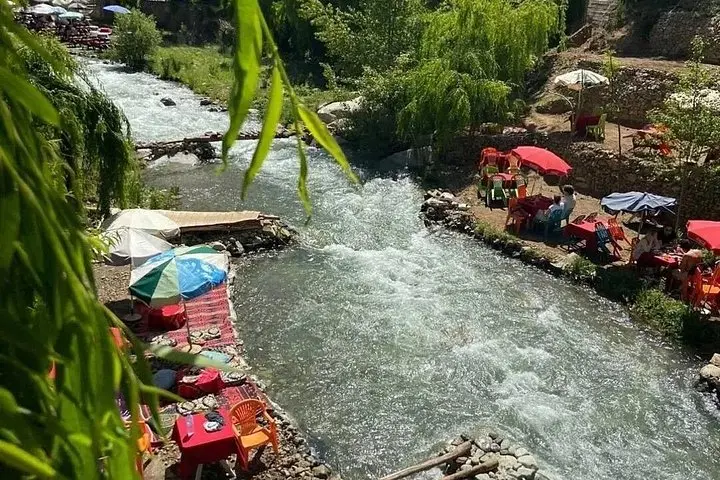
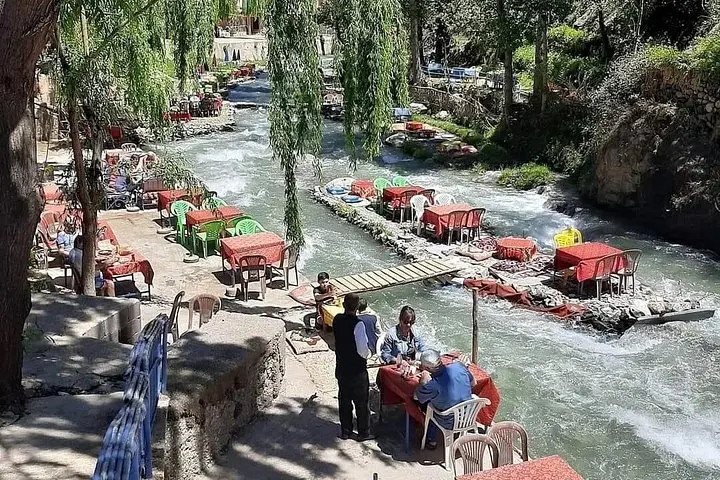
By mid-morning the valley opens: a ribbon of water threading steep terraces and stone villages, the river daring you to follow it uphill. The short walk from Setti Fatma threads mule tracks, carved rock steps and a handful of scrambling sections that lead to the first of seven cascades — spray on your face, stones underfoot, and small tea houses tucked near the stream.
The Ourika Valley has long been a corridor for Berber communities who farm terraced plots and trade herbal teas; the landscape itself is a product of tectonic uplift and seasonal water carving through schist and granite, creating narrow gorges and plunge pools.
Culturally the valley is quiet but lived‑in: women run cooperatives selling argan oil and herbal infusions, and locals guide visitors a short way up the falls for a modest fee. The geology makes the trail rocky and occasionally steep; the route is best in stable weather.
Practical guidance: this is a full‑day outing from Marrakech (about 1–1.5 hours each way). Expect a 1–2 hour walk with short uphill scrambles to reach the higher falls. Wear sturdy shoes with grip, carry at least 1.5 liters of water, sun protection, and a light layer for changing mountain weather. Start early to avoid crowds and midday heat, and bring cash for tea, tips and local purchases. Respect private paths, avoid jumping into fast currents, and support village cooperatives to keep tourism sustainable.
The walking portion is typically 1–2 hours round trip depending on how many cascades you visit; expect short steep sections and some rock scrambling.
Yes—most tours include round-trip pickup and drop-off in Marrakech in an air‑conditioned vehicle; confirm your pickup point when booking.
Some plunge pools are accessible but currents and water temperature vary; use caution and avoid swimming after heavy rain when flows are stronger.
Local English- or French-speaking guides and lunch are commonly included on organized day trips, but carry cash for tea, tips and village purchases.
Tours Around Morocco operates guided outdoor trips and adventures with an emphasis on safety, stewardship, and memorable experiences.
You roll out of Marrakech before the heat and the city fades to ochre and scrub as the road climbs toward the High Atlas.
You roll out of Marrakech before the heat and the city fades to ochre and scrub as the road climbs toward the High Atlas.
By mid-morning the valley opens: a ribbon of water threading steep terraces and stone villages, the river daring you to follow it uphill. The short walk from Setti Fatma threads mule tracks, carved rock steps and a handful of scrambling sections that lead to the first of seven cascades — spray on your face, stones underfoot, and small tea houses tucked near the stream.
The Ourika Valley has long been a corridor for Berber communities who farm terraced plots and trade herbal teas; the landscape itself is a product of tectonic uplift and seasonal water carving through schist and granite, creating narrow gorges and plunge pools.
Culturally the valley is quiet but lived‑in: women run cooperatives selling argan oil and herbal infusions, and locals guide visitors a short way up the falls for a modest fee. The geology makes the trail rocky and occasionally steep; the route is best in stable weather.
Practical guidance: this is a full‑day outing from Marrakech (about 1–1.5 hours each way). Expect a 1–2 hour walk with short uphill scrambles to reach the higher falls. Wear sturdy shoes with grip, carry at least 1.5 liters of water, sun protection, and a light layer for changing mountain weather. Start early to avoid crowds and midday heat, and bring cash for tea, tips and local purchases. Respect private paths, avoid jumping into fast currents, and support village cooperatives to keep tourism sustainable.