THE ADVENTURE COLLECTIVE® · Independent discovery and booking for outdoor travel

Spend three hours shaping clay beneath an open shed beside a traditional Asturian hórreo. This hands-on pottery workshop pairs basic wheel and hand-building techniques with local context and kiln-firing — ideal for families and first-timers.
Spend three hours shaping clay beneath an open shed beside a traditional Asturian hórreo. This hands-on pottery workshop pairs basic wheel and hand-building techniques with local context and kiln-firing — ideal for families and first-timers.
You arrive through a lane of ferns and farm fields to a small workshop where the air smells of wet earth and wood smoke. The hórreo — the raised stone granary — presides like a practical monument, and a long workbench under an open shed invites you to touch the clay. Outside, wind pushes at the grass; inside, the clay listens as hands shape it.
Verified experiences and guided adventures in the surrounding area.
Operated by Maider Arte Ceramica · Oviedo, Asturias
You arrive through a lane of ferns and farm fields to a small workshop where the air smells of wet earth and wood smoke. The hórreo — the raised stone granary — presides like a practical monument, and a long workbench under an open shed invites you to touch the clay. Outside, wind pushes at the grass; inside, the clay listens as hands shape it.
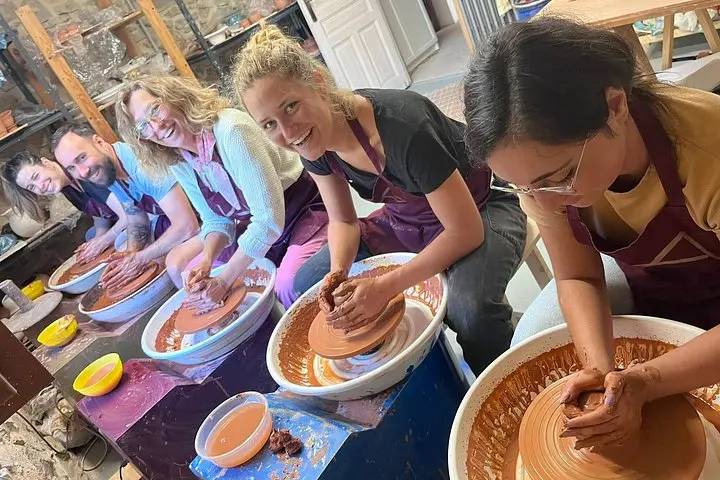
Asturias sits on a rugged Atlantic edge where Paleozoic rocks tilt toward the sea and small valleys collect rich alluvial silt that has supported rural crafts for centuries. Pottery here blends practical village traditions with contemporary techniques: wheel work, hand building, and a two-stage kiln process. The instructor outlines regional ceramic history, shows how local clays behave, and explains that pieces are bisque-fired, glazed, then fired again — finished items can be mailed for a fee.
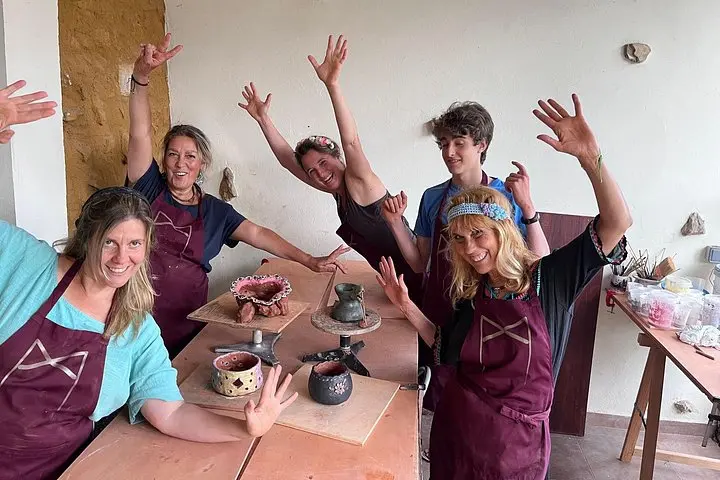
This three-hour, family-friendly session requires no prior skill. Expect demonstrations, time at the wheel or on the table to model bowls or plates, and options to use colored clays for accents. Pieces remain at the studio for firing; plan for pickup or shipping later.
Practical tips: come in clothes you don’t mind dusting with clay, arrive 10–15 minutes early to settle in, and bring a tote for finished work if you collect it. The workshop is accessible by regional bus routes but a car makes exploring nearby villages easier. Weather can push people under cover, so check meeting details and cancellation policies before you go.
No; the class is designed for beginners and families with step-by-step guidance for wheel and hand-building.
No; pieces are bisque-fired and glazed at the studio then fired again — you can collect them later or arrange shipping for a fee.
Yes; it welcomes children and service animals, though infants may need to sit on laps and minors should be supervised.
Cancel at least 24 hours in advance for a full refund; note sessions may be canceled if minimum participants aren’t met.
Maider Arte Ceramica operates guided outdoor trips and adventures with an emphasis on safety, stewardship, and memorable experiences.
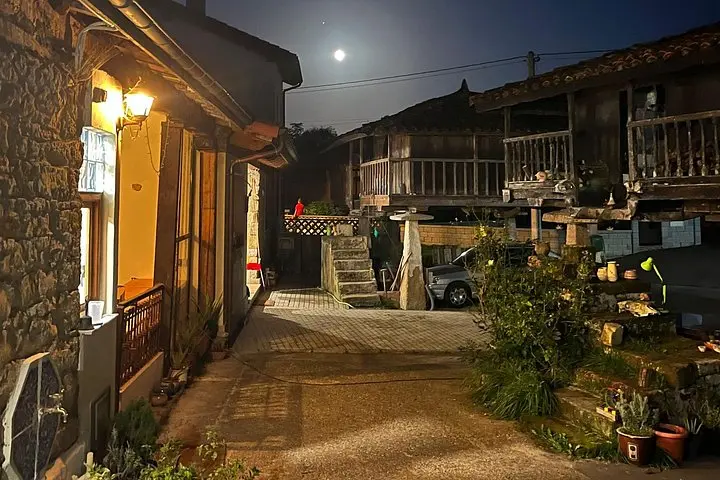
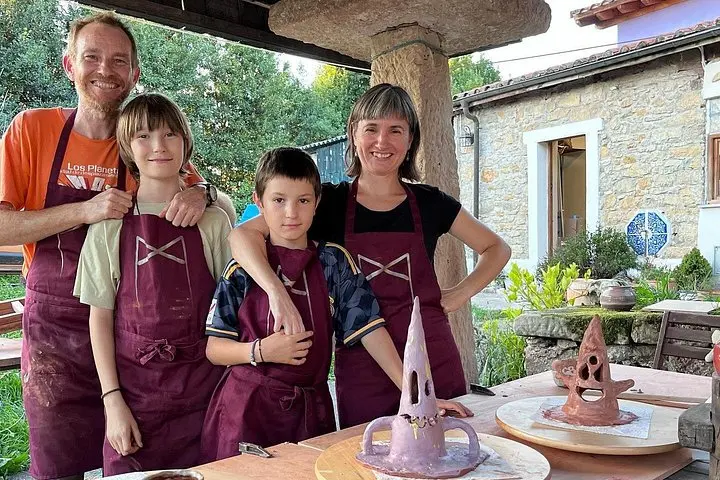
You arrive through a lane of ferns and farm fields to a small workshop where the air smells of wet earth and wood smoke. The hórreo — the raised stone granary — presides like a practical monument, and a long workbench under an open shed invites you to touch the clay. Outside, wind pushes at the grass; inside, the clay listens as hands shape it.
You arrive through a lane of ferns and farm fields to a small workshop where the air smells of wet earth and wood smoke. The hórreo — the raised stone granary — presides like a practical monument, and a long workbench under an open shed invites you to touch the clay. Outside, wind pushes at the grass; inside, the clay listens as hands shape it.
Asturias sits on a rugged Atlantic edge where Paleozoic rocks tilt toward the sea and small valleys collect rich alluvial silt that has supported rural crafts for centuries. Pottery here blends practical village traditions with contemporary techniques: wheel work, hand building, and a two-stage kiln process. The instructor outlines regional ceramic history, shows how local clays behave, and explains that pieces are bisque-fired, glazed, then fired again — finished items can be mailed for a fee.
This three-hour, family-friendly session requires no prior skill. Expect demonstrations, time at the wheel or on the table to model bowls or plates, and options to use colored clays for accents. Pieces remain at the studio for firing; plan for pickup or shipping later.
Practical tips: come in clothes you don’t mind dusting with clay, arrive 10–15 minutes early to settle in, and bring a tote for finished work if you collect it. The workshop is accessible by regional bus routes but a car makes exploring nearby villages easier. Weather can push people under cover, so check meeting details and cancellation policies before you go.