THE ADVENTURE COLLECTIVE® · Independent discovery and booking for outdoor travel
A moderate 5.5-mile out-and-back through pine and aspen to a 40-foot waterfall in Rocky Mountain National Park. This women-only day hike follows glacier-fed streams and offers wildflower season, wildlife viewing, and steaming hot drinks at the falls.
A moderate 5.5-mile out-and-back through pine and aspen to a 40-foot waterfall in Rocky Mountain National Park. This women-only day hike follows glacier-fed streams and offers wildflower season, wildlife viewing, and steaming hot drinks at the falls.
The trail opens with the sound of a mountain stream pulling you into the forest — a steady, urgent voice that guides a small group of women along a root-stitched path. Pines lean over the trail like companions and aspens flash silver as the route climbs toward the canyon where Ouzel Falls drops 40 feet into a cool, mossy pool. Expect mist on your face, the crunch of talus underfoot, and the hush of high-country air.
Verified experiences and guided adventures in the surrounding area.
Operated by Sharon S · Estes Park, Colorado
The trail opens with the sound of a mountain stream pulling you into the forest — a steady, urgent voice that guides a small group of women along a root-stitched path. Pines lean over the trail like companions and aspens flash silver as the route climbs toward the canyon where Ouzel Falls drops 40 feet into a cool, mossy pool. Expect mist on your face, the crunch of talus underfoot, and the hush of high-country air.
Wild Basin sits on the park's southeastern flank and was shaped by glacial carving and late-Pleistocene uplift; granite walls and carved streambeds define the route. The area historically served as seasonal hunting and travel ground for Ute people before becoming part of the national park in 1915. Today's hike threads through mixed conifer and aspen stands, crosses braided streams, and passes several smaller cascades en route to the main fall.
Practical guidance: this is a moderate 5.5-mile out-and-back with roughly 1,000 feet of elevation gain; rocky tread and short, steep pitches are common. Travel at a steady 1.5–2 mph pace, use trekking poles for balance on descents, and layer for quick weather shifts — storms can build fast in the afternoon. Bring 1–2 liters of water, warming layers for the stop at the falls, and waterproof footwear for wet sections. Leave no trace: pack out wrappers and avoid clustering on fragile banks. The route is rewarding for hikers who relish water, wildflowers in season, and the concentrated drama of a backcountry cascade without a full-day commitment.
The trail is moderate: beginners with reasonable fitness who take breaks and move at a steady pace can complete it, but expect rocky sections and short steep pitches.
No — participants meet in Estes Park and follow the guide's vehicle to the trailhead, roughly a 30-minute one-way drive.
Guided tours often have policies on pets; check with the operator ahead of booking — park rules generally require dogs to be leashed and restrict access on some trails.
Late June through July typically offers the best wildflower display in Wild Basin, depending on snowmelt and seasonal temperatures.
Sharon S operates guided outdoor trips and adventures with an emphasis on safety, stewardship, and memorable experiences.
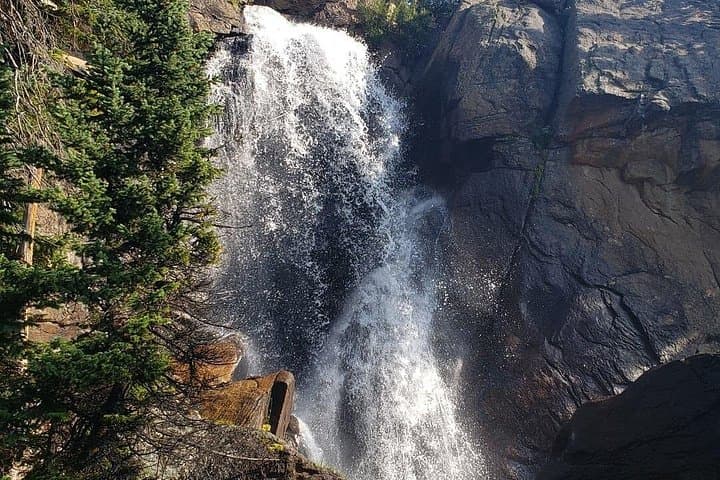
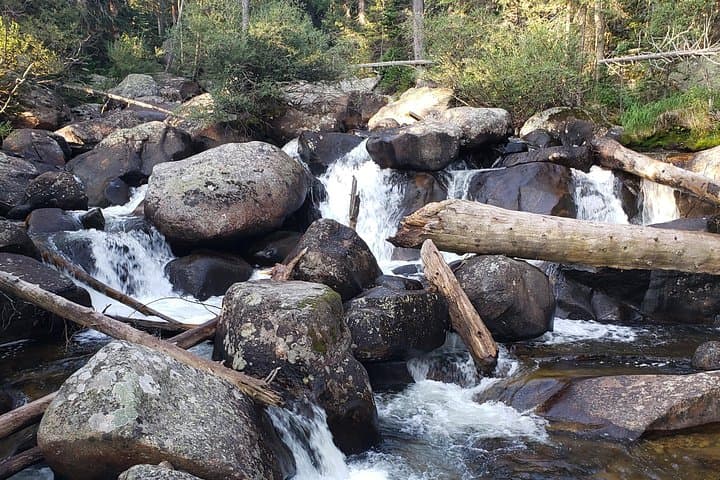
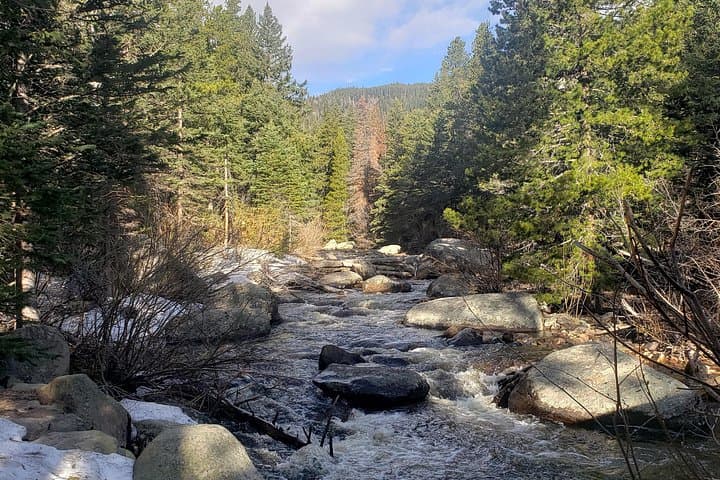
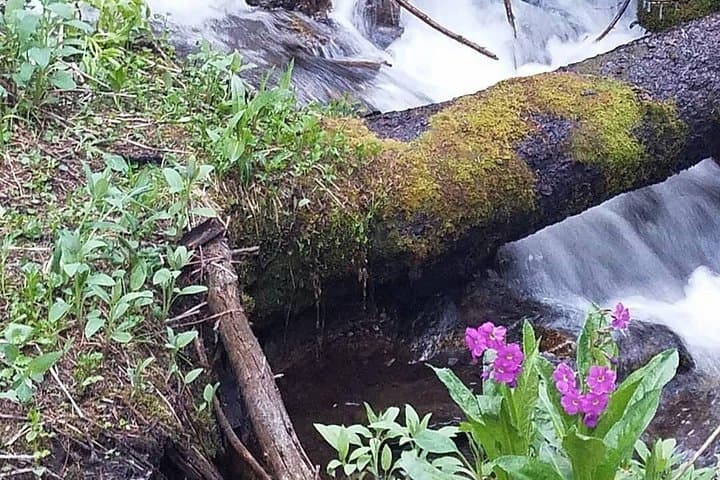
The trail opens with the sound of a mountain stream pulling you into the forest — a steady, urgent voice that guides a small group of women along a root-stitched path. Pines lean over the trail like companions and aspens flash silver as the route climbs toward the canyon where Ouzel Falls drops 40 feet into a cool, mossy pool. Expect mist on your face, the crunch of talus underfoot, and the hush of high-country air.
The trail opens with the sound of a mountain stream pulling you into the forest — a steady, urgent voice that guides a small group of women along a root-stitched path. Pines lean over the trail like companions and aspens flash silver as the route climbs toward the canyon where Ouzel Falls drops 40 feet into a cool, mossy pool. Expect mist on your face, the crunch of talus underfoot, and the hush of high-country air.
Wild Basin sits on the park's southeastern flank and was shaped by glacial carving and late-Pleistocene uplift; granite walls and carved streambeds define the route. The area historically served as seasonal hunting and travel ground for Ute people before becoming part of the national park in 1915. Today's hike threads through mixed conifer and aspen stands, crosses braided streams, and passes several smaller cascades en route to the main fall.
Practical guidance: this is a moderate 5.5-mile out-and-back with roughly 1,000 feet of elevation gain; rocky tread and short, steep pitches are common. Travel at a steady 1.5–2 mph pace, use trekking poles for balance on descents, and layer for quick weather shifts — storms can build fast in the afternoon. Bring 1–2 liters of water, warming layers for the stop at the falls, and waterproof footwear for wet sections. Leave no trace: pack out wrappers and avoid clustering on fragile banks. The route is rewarding for hikers who relish water, wildflowers in season, and the concentrated drama of a backcountry cascade without a full-day commitment.
