THE ADVENTURE COLLECTIVE® · Independent discovery and booking for outdoor travel

In under a day from Marrakech, Ouzoud Falls delivers thunderous water, olive terraces and close-up encounters with Berber macaques. This practical guide walks you through what to expect — from terrain and local culture to timing and gear.
In under a day from Marrakech, Ouzoud Falls delivers thunderous water, olive terraces and close-up encounters with Berber macaques. This practical guide walks you through what to expect — from terrain and local culture to timing and gear.
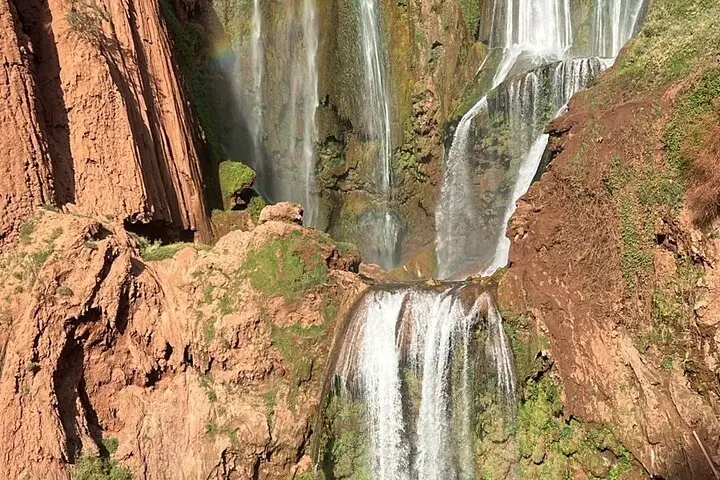
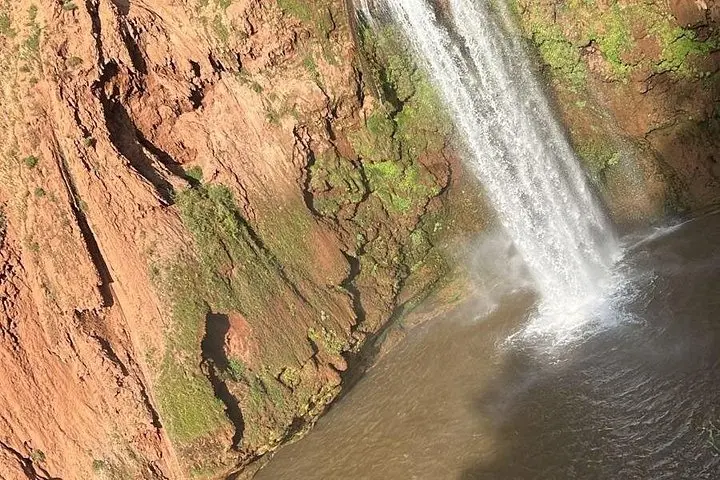
The first thing that hits you is the sound — a low, steady roar that grows into a wall as the minibus pulls into the parking area and the red rock of the valley opens up. Spray hangs in the air like a fine veil and the river, bright with run-off, threads between terraces of olive trees before throwing itself over sheer cliffs in a cascade more than 100 metres high. Visitors step off the path into a cool mist; a pair of young Berber macaques chat from a fig tree as if greeting the day’s arrivals.
Verified experiences and guided adventures in the surrounding area.
Operated by MarrakechAttraction.com · Ouzoud, Marrakesh-Safi
The first thing that hits you is the sound — a low, steady roar that grows into a wall as the minibus pulls into the parking area and the red rock of the valley opens up. Spray hangs in the air like a fine veil and the river, bright with run-off, threads between terraces of olive trees before throwing itself over sheer cliffs in a cascade more than 100 metres high. Visitors step off the path into a cool mist; a pair of young Berber macaques chat from a fig tree as if greeting the day’s arrivals.
Ouzoud sits at the edge of the High Atlas’ foothills, where Miocene-era sandstone and limestone have been carved by water into amphitheaters and plunge pools. The falls themselves are the product of centuries of erosion — the El-Abid river finding weakness in banded rock and repeatedly cutting deeper, producing multiple tiers and emerald basins. Human presence here goes back millennia: olive groves and small Berber hamlets cling to terraces that were shaped by generations of subsistence farming. Today locals welcome travelers with mint tea and small cafés that look onto the gorge.
The trip from Marrakech is as much cultural as scenic. Drivers navigate a changing landscape: ochre kasbahs, scrubby plains, then the narrow road that winds toward the Ouzoud ravine. Guides often point out irrigation terraces and traditional olive presses, and vendors near the main viewpoints sell hand-carved olive-wood souvenirs and local pastries. The macaques are habituated but wild; they add a theatrical, unpredictable element when they move through the trees and ledges.
Practical details: the organized day trip runs roughly eight hours round-trip from central Marrakech. Expect 2–4 km of walking on uneven stone paths and switchbacks if you follow the trail from the top rim down toward the plunge pools; elevation change is moderate — hundreds of metres of descent and ascent if you go to the base. Terrain is a mix of packed earth, stone steps and occasional slippery sections near the water. Boats operate at the base in calm conditions and offer brief rides close to the falls; operators are informal — confirm pricing and life-jacket availability beforehand.
To make the most of the visit, arrive early to avoid midday crowds and to get cleaner light for photographs. Wear sturdy shoes with good grip, bring a lightweight rain shell for spray, and carry at least 1–2 liters of water per person. Respect local rhythms: ask before taking close-up photos of people or monkeys, and avoid feeding wildlife. For a fuller day, linger in a riverside café for lunch of tagine and fresh olives — the valley’s flavors feel like a quiet counterpoint to the falls’ raw energy.
The transfer is roughly 2–2.5 hours each way depending on traffic and the chosen route.
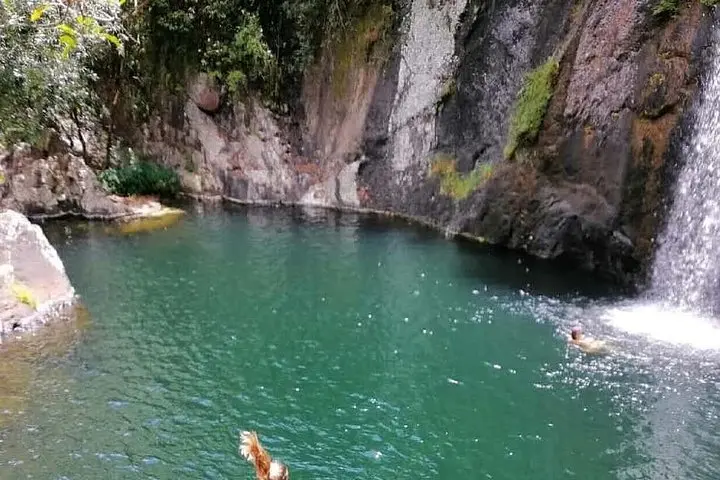
Swimming is possible in calmer pools but conditions vary—check with guides and beware slippery rocks and currents.
The upper viewpoints are accessible for most, but steep sections to the base can be challenging; choose routes and pacing to match abilities.
Most day trips include time for lunch but not a meal; cafés and restaurants near the falls serve tagine, salads and local snacks.
Berber macaques are common near the paths; they’re wild and sightings are likely, but close encounters aren’t guaranteed.
Some upper viewpoints have easier access, but descent to the base is not wheelchair-friendly; confirm specifics with your operator.
MarrakechAttraction.com operates guided outdoor trips and adventures with an emphasis on safety, stewardship, and memorable experiences.
The first thing that hits you is the sound — a low, steady roar that grows into a wall as the minibus pulls into the parking area and the red rock of the valley opens up. Spray hangs in the air like a fine veil and the river, bright with run-off, threads between terraces of olive trees before throwing itself over sheer cliffs in a cascade more than 100 metres high. Visitors step off the path into a cool mist; a pair of young Berber macaques chat from a fig tree as if greeting the day’s arrivals.
The first thing that hits you is the sound — a low, steady roar that grows into a wall as the minibus pulls into the parking area and the red rock of the valley opens up. Spray hangs in the air like a fine veil and the river, bright with run-off, threads between terraces of olive trees before throwing itself over sheer cliffs in a cascade more than 100 metres high. Visitors step off the path into a cool mist; a pair of young Berber macaques chat from a fig tree as if greeting the day’s arrivals.
Ouzoud sits at the edge of the High Atlas’ foothills, where Miocene-era sandstone and limestone have been carved by water into amphitheaters and plunge pools. The falls themselves are the product of centuries of erosion — the El-Abid river finding weakness in banded rock and repeatedly cutting deeper, producing multiple tiers and emerald basins. Human presence here goes back millennia: olive groves and small Berber hamlets cling to terraces that were shaped by generations of subsistence farming. Today locals welcome travelers with mint tea and small cafés that look onto the gorge.
The trip from Marrakech is as much cultural as scenic. Drivers navigate a changing landscape: ochre kasbahs, scrubby plains, then the narrow road that winds toward the Ouzoud ravine. Guides often point out irrigation terraces and traditional olive presses, and vendors near the main viewpoints sell hand-carved olive-wood souvenirs and local pastries. The macaques are habituated but wild; they add a theatrical, unpredictable element when they move through the trees and ledges.
Practical details: the organized day trip runs roughly eight hours round-trip from central Marrakech. Expect 2–4 km of walking on uneven stone paths and switchbacks if you follow the trail from the top rim down toward the plunge pools; elevation change is moderate — hundreds of metres of descent and ascent if you go to the base. Terrain is a mix of packed earth, stone steps and occasional slippery sections near the water. Boats operate at the base in calm conditions and offer brief rides close to the falls; operators are informal — confirm pricing and life-jacket availability beforehand.
To make the most of the visit, arrive early to avoid midday crowds and to get cleaner light for photographs. Wear sturdy shoes with good grip, bring a lightweight rain shell for spray, and carry at least 1–2 liters of water per person. Respect local rhythms: ask before taking close-up photos of people or monkeys, and avoid feeding wildlife. For a fuller day, linger in a riverside café for lunch of tagine and fresh olives — the valley’s flavors feel like a quiet counterpoint to the falls’ raw energy.