THE ADVENTURE COLLECTIVE® · Independent discovery and booking for outdoor travel

A full-day escape from Marrakech to Ouzoud offers 110 meters of falling water, olive-grove trails, and riverside restaurants. Expect uneven paths, steep steps, and up-close encounters with local macaques and traditional grain mills.
A full-day escape from Marrakech to Ouzoud offers 110 meters of falling water, olive-grove trails, and riverside restaurants. Expect uneven paths, steep steps, and up-close encounters with local macaques and traditional grain mills.
You arrive to the sound of water before you see it: a steady roar that grows louder as the road drops into olive groves and terraces. The Ouzoud Waterfalls cut through red-clay and limestone, spilling roughly 110 meters down a stepped cliff and sending plumes of spray over basalt ledges. Walk the upper rim for broad panoramas, then follow worn paths down through olive trees to viewpoints that frame the falls like a moving mural.
Verified experiences and guided adventures in the surrounding area.
Operated by Marrakech City Travel · Ouzoud, Béni Mellal-Khénifra
You arrive to the sound of water before you see it: a steady roar that grows louder as the road drops into olive groves and terraces. The Ouzoud Waterfalls cut through red-clay and limestone, spilling roughly 110 meters down a stepped cliff and sending plumes of spray over basalt ledges. Walk the upper rim for broad panoramas, then follow worn paths down through olive trees to viewpoints that frame the falls like a moving mural.
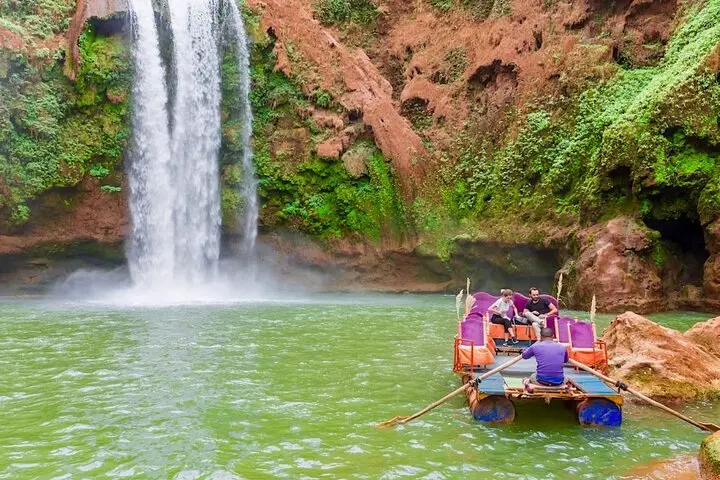
The falls feed the El Abid River; grain mills once dotted the ledges and lend the name Ouzoud, meaning millstone. Local Berber villages and small restaurants cling to the ridgeline, offering simple tagines and mint tea with views. Geologically, the site is where softer deposits have eroded faster than caprock, forming vertical drops and plunge pools that attract both photographers and swimmers in summer.
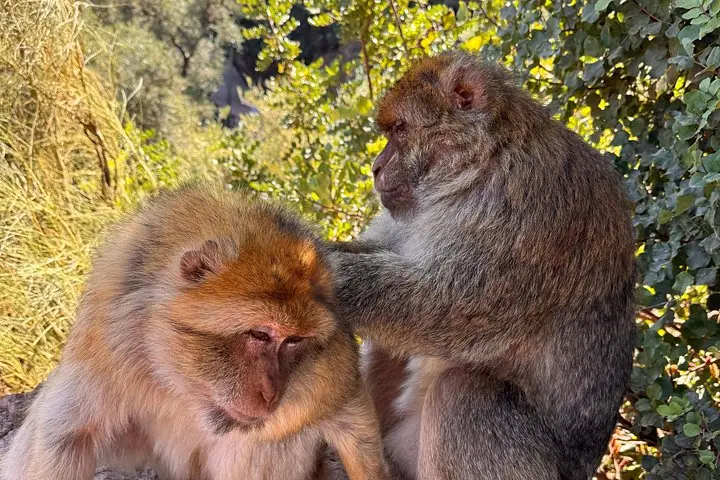
Expect 2–4 km of uneven walking on dirt, stone steps, and narrow trails with about 110 m of elevation change between rim and river. Trails can be steep on the descent and tiring on the return, so plan for 3–5 hours at the site within a nine-hour day trip from Marrakech. Bring layered clothing for misty spray, a refillable water bottle, and cash for local eateries. Be mindful of the macaques and avoid feeding wildlife; keep cameras tethered—monkeys are curious and quick.
Timing matters: early light hits the falls for photos, midday offers swimming in downstream pools, and late afternoon brings softer shadows over the olive groves. The route pairs easy access with authentic village stops, making it a compact but satisfying Atlas Mountain day escape.
The drive is about 150 km and typically takes 2.5 to 3 hours each way depending on stops and traffic.
Yes, there are shallow pools downstream where locals and visitors swim in summer; assess conditions and follow local advice before entering.
Local guides offer short walks to viewpoints, mill ruins, and the river; many day tours include a guided loop and lunch at an overlooking restaurant.
The site is family-friendly but the descent/ascent can be steep; many paths are negotiable with care and some restaurants sit at the top for those avoiding the steps.
Marrakech City Travel operates guided outdoor trips and adventures with an emphasis on safety, stewardship, and memorable experiences.
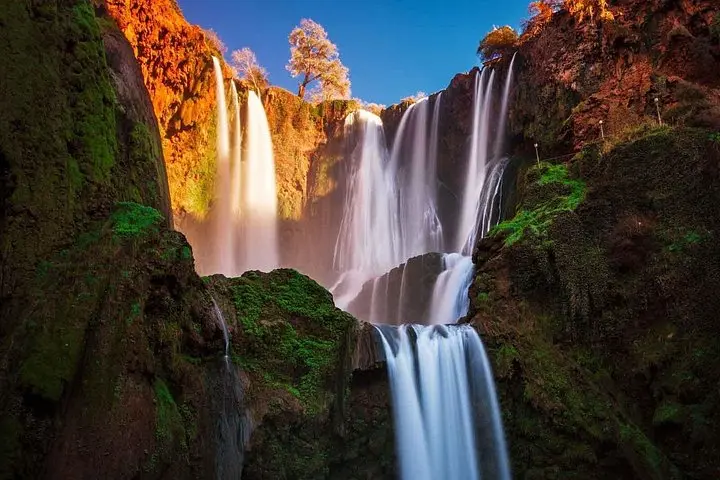
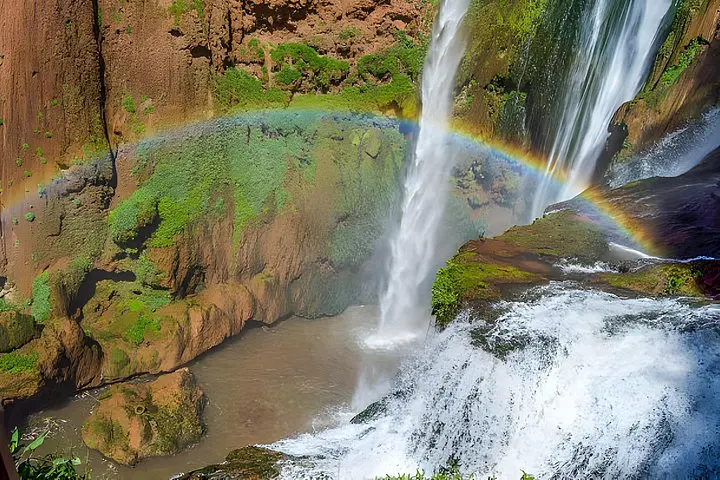
You arrive to the sound of water before you see it: a steady roar that grows louder as the road drops into olive groves and terraces. The Ouzoud Waterfalls cut through red-clay and limestone, spilling roughly 110 meters down a stepped cliff and sending plumes of spray over basalt ledges. Walk the upper rim for broad panoramas, then follow worn paths down through olive trees to viewpoints that frame the falls like a moving mural.
You arrive to the sound of water before you see it: a steady roar that grows louder as the road drops into olive groves and terraces. The Ouzoud Waterfalls cut through red-clay and limestone, spilling roughly 110 meters down a stepped cliff and sending plumes of spray over basalt ledges. Walk the upper rim for broad panoramas, then follow worn paths down through olive trees to viewpoints that frame the falls like a moving mural.
The falls feed the El Abid River; grain mills once dotted the ledges and lend the name Ouzoud, meaning millstone. Local Berber villages and small restaurants cling to the ridgeline, offering simple tagines and mint tea with views. Geologically, the site is where softer deposits have eroded faster than caprock, forming vertical drops and plunge pools that attract both photographers and swimmers in summer.
Expect 2–4 km of uneven walking on dirt, stone steps, and narrow trails with about 110 m of elevation change between rim and river. Trails can be steep on the descent and tiring on the return, so plan for 3–5 hours at the site within a nine-hour day trip from Marrakech. Bring layered clothing for misty spray, a refillable water bottle, and cash for local eateries. Be mindful of the macaques and avoid feeding wildlife; keep cameras tethered—monkeys are curious and quick.
Timing matters: early light hits the falls for photos, midday offers swimming in downstream pools, and late afternoon brings softer shadows over the olive groves. The route pairs easy access with authentic village stops, making it a compact but satisfying Atlas Mountain day escape.