THE ADVENTURE COLLECTIVE® · Independent discovery and booking for outdoor travel

A full-day escape from Marrakech to Ouzoud blends a moderate mountain hike, a riverside Berber lunch, a short boat ride beneath falling water, and wildlife sightings among olive groves. This guided trip pairs geology and local culture with practical advice for getting the most out of the day.
A full-day escape from Marrakech to Ouzoud blends a moderate mountain hike, a riverside Berber lunch, a short boat ride beneath falling water, and wildlife sightings among olive groves. This guided trip pairs geology and local culture with practical advice for getting the most out of the day.
You arrive before the crowd, the road from Marrakech unwinding through ochre hills until olive trees crowd the roadside and the air cools. The first sound is not the falls but the chatter of a village waking—mules, men, and the distant call to prayer—then a spray-scented gust that announces water. At Ouzoud, three main tiers of rock drop like pages torn from a mountain; stair-stepped cascades plunge into turquoise basins and a fine mist ghosts across viewing terraces.
Verified experiences and guided adventures in the surrounding area.
Operated by Marrakech desert Activities · Ouzoud, Marrakech-Safi
You arrive before the crowd, the road from Marrakech unwinding through ochre hills until olive trees crowd the roadside and the air cools. The first sound is not the falls but the chatter of a village waking—mules, men, and the distant call to prayer—then a spray-scented gust that announces water. At Ouzoud, three main tiers of rock drop like pages torn from a mountain; stair-stepped cascades plunge into turquoise basins and a fine mist ghosts across viewing terraces.
Ouzoud sits on the northern edge of the High Atlas foothills, where Miocene limestone and younger sedimentary layers fracture into cliffs and channels. Berber farmers have carved terraces and olive groves into those same slopes for centuries; the fall’s name—Ouzoud—likely comes from a Berber root referring to the local olive press. The site has long been a meeting point: a place where seasonal shepherds, small cooperative mills that press argan and olive oil, and travelers converge.
The guided tour threads natural and cultural history together. Your guide will point out the old irrigation channels, explain local olive-press techniques, and lead you past a village cooperative where argan oil is still produced by hand. Keep an eye in the trees for Barbary macaques—curious, puckish animals that move like living ornaments among the branches—and for kingfishers that flash electric blue over calmer pools.
The hike itself is approachable: steep sections and stone steps give way to shaded paths that traverse terraces and river bends. Midday brings a Berber lunch in a riverside gîte—tagine, flatbread, and sweet mint tea—served with views of the falls. After lunch a short boat ride takes you under the nearest curtain of water; the current teases the bow and the spray dares you to get closer.
Practical guide: plan a full day—expect an 8–9 hour outing including hotel pickup from Marrakech and return. Wear sturdy shoes with good grip for wet rock and uneven steps, and bring layered clothing because mornings can be cool while the canyon warms quickly. Hydrate before and during the hike; there are vendors but supply can be limited once you leave the main viewpoint. If you’re photographing, aim for morning or late afternoon light to avoid harsh midday contrast and to catch rainbows forming in the mist.
Local etiquette matters: support small cooperatives when offered souvenirs, ask before photographing people, and resist feeding wildlife. The park benefits from responsible visitation—tread the marked paths, carry out waste, and you’ll leave Ouzoud as you found it: loud with water and the quiet of a place that keeps drawing people back.
The transfer typically takes about 2–2.5 hours each way depending on traffic and exact hotel location.
Yes—short boat rides beneath the falls are family-friendly; infant seats are available on request but bring a waterproof layer.
Swimming is possible in calmer pools but conditions vary; always follow guide instructions and avoid strong currents near cascades.
They are wild animals—curious but potentially aggressive if provoked; do not feed them and store food securely.
A Berber lunch is included on this tour; tell the operator about dietary restrictions when booking.
Tipping is customary; small amounts per person for the guide and driver are appreciated and depend on service.
Marrakech desert Activities operates guided outdoor trips and adventures with an emphasis on safety, stewardship, and memorable experiences.
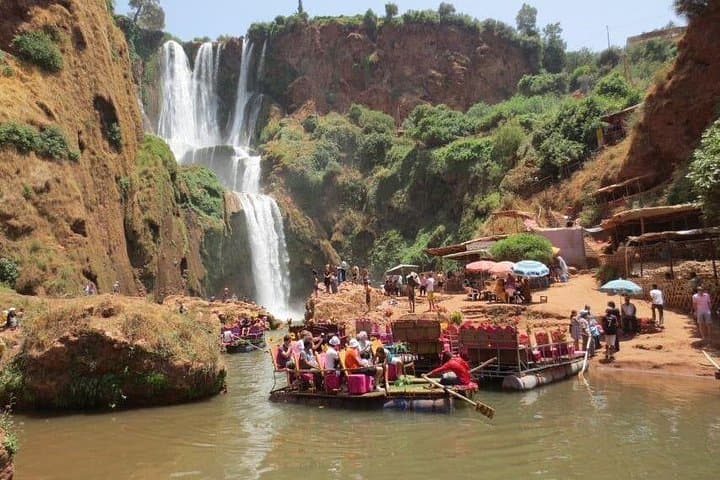


You arrive before the crowd, the road from Marrakech unwinding through ochre hills until olive trees crowd the roadside and the air cools. The first sound is not the falls but the chatter of a village waking—mules, men, and the distant call to prayer—then a spray-scented gust that announces water. At Ouzoud, three main tiers of rock drop like pages torn from a mountain; stair-stepped cascades plunge into turquoise basins and a fine mist ghosts across viewing terraces.
You arrive before the crowd, the road from Marrakech unwinding through ochre hills until olive trees crowd the roadside and the air cools. The first sound is not the falls but the chatter of a village waking—mules, men, and the distant call to prayer—then a spray-scented gust that announces water. At Ouzoud, three main tiers of rock drop like pages torn from a mountain; stair-stepped cascades plunge into turquoise basins and a fine mist ghosts across viewing terraces.
Ouzoud sits on the northern edge of the High Atlas foothills, where Miocene limestone and younger sedimentary layers fracture into cliffs and channels. Berber farmers have carved terraces and olive groves into those same slopes for centuries; the fall’s name—Ouzoud—likely comes from a Berber root referring to the local olive press. The site has long been a meeting point: a place where seasonal shepherds, small cooperative mills that press argan and olive oil, and travelers converge.
The guided tour threads natural and cultural history together. Your guide will point out the old irrigation channels, explain local olive-press techniques, and lead you past a village cooperative where argan oil is still produced by hand. Keep an eye in the trees for Barbary macaques—curious, puckish animals that move like living ornaments among the branches—and for kingfishers that flash electric blue over calmer pools.
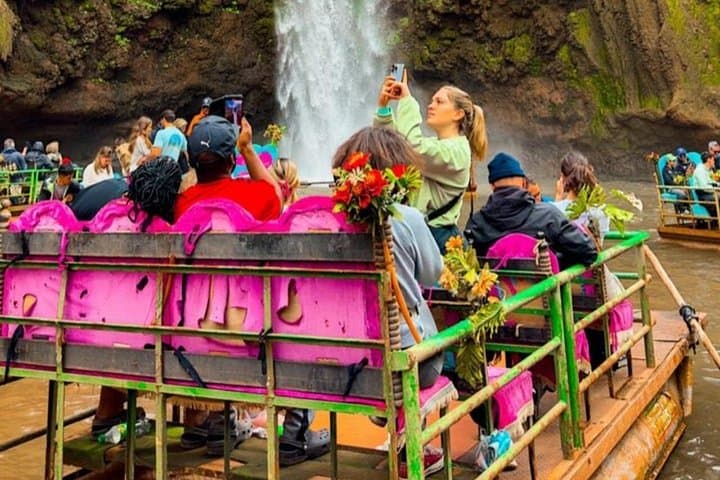
The hike itself is approachable: steep sections and stone steps give way to shaded paths that traverse terraces and river bends. Midday brings a Berber lunch in a riverside gîte—tagine, flatbread, and sweet mint tea—served with views of the falls. After lunch a short boat ride takes you under the nearest curtain of water; the current teases the bow and the spray dares you to get closer.
Practical guide: plan a full day—expect an 8–9 hour outing including hotel pickup from Marrakech and return. Wear sturdy shoes with good grip for wet rock and uneven steps, and bring layered clothing because mornings can be cool while the canyon warms quickly. Hydrate before and during the hike; there are vendors but supply can be limited once you leave the main viewpoint. If you’re photographing, aim for morning or late afternoon light to avoid harsh midday contrast and to catch rainbows forming in the mist.
Local etiquette matters: support small cooperatives when offered souvenirs, ask before photographing people, and resist feeding wildlife. The park benefits from responsible visitation—tread the marked paths, carry out waste, and you’ll leave Ouzoud as you found it: loud with water and the quiet of a place that keeps drawing people back.