THE ADVENTURE COLLECTIVE® · Independent discovery and booking for outdoor travel

A full-day guided drive from Marrakech delivers tiered limestone falls, olive-grove walks and close encounters with Barbary macaques. This practical guide explains what to expect on the trail, what to pack and how to get the best photos and local experiences out of a day at Ouzoud.
A full-day guided drive from Marrakech delivers tiered limestone falls, olive-grove walks and close encounters with Barbary macaques. This practical guide explains what to expect on the trail, what to pack and how to get the best photos and local experiences out of a day at Ouzoud.
The first time the canyon opens and you hear the water before you see it, the sound feels too big for the valley — a steady, rolling exhale. You approach on a narrow path lined with olive trees; sunlight slices through leaves and beads on the rocks. Then the falls reveal themselves in tiers: sheets of water racing, then pausing, then throwing spray into a prism of rainbows. The drop feels less like an end and more like a hand pulling you forward.
Verified experiences and guided adventures in the surrounding area.
Operated by Moroccan Nature Trail · Ouzoud, Azilal Province
The first time the canyon opens and you hear the water before you see it, the sound feels too big for the valley — a steady, rolling exhale. You approach on a narrow path lined with olive trees; sunlight slices through leaves and beads on the rocks. Then the falls reveal themselves in tiers: sheets of water racing, then pausing, then throwing spray into a prism of rainbows. The drop feels less like an end and more like a hand pulling you forward.
Ouzoud sits on the edge of Morocco’s High Atlas foothills where geology and human land use meet. The falls carve through Miocene limestone, sculpting cascades and plunge pools over millennia. Olive groves plate the slopes—trees tended here by Berber families for generations—and the village economy has long mixed subsistence farming with seasonal visitors. Historically, routes from Demnate and the Azilal plain funneled trade and travelers through these passes; today the trail leads more often to camera lenses than caravans.
On a guided day tour from Marrakech you’ll cross changing landscapes: irrigated fields flattening into scrub, then steep ridgelines that frame Jbel Azoukri and the white-capped shoulders of farther Atlas peaks in winter. Local guides weave cultural notes into the hike—how olives are pressed, how terraces were carved into the hill, and why the emblematic Barbary macaques have made the gorge their playground. You’ll walk through the olive groves, pass cliffside viewpoints and pause for a traditional lunch on a restaurant terrace where the cafeteria-style spread emphasizes tagines, salads and fresh bread.
Practical realities shape the day. The walking component is moderate: expect uneven stone steps, narrow dirt trails and short steep sections (roughly 15 minutes from the main parking area to the main viewpoint). The route is exposed in places; summer heat can be intense and winter mornings crisp and wet. Pack sturdy shoes, a refillable water bottle and a light shell if rain is in the forecast. Respect local wildlife: do not feed monkeys and keep a respectful distance — they’re curious and quick.
Timing is everything. Early departures from Marrakech mean quieter viewpoints and stronger mid-day light for photos; afternoon returns from the falls bring softer light on the olive groves but more people on the trails. For a smooth experience, confirm hotel pickup, tip your guide if they’ve been informative, and bring small cash for market stalls and tea. The Ouzoud day trip rewards the practical traveler: it’s scenic, culturally textured and refreshingly immediate — the kind of place where a single hour of watching water can reset the rhythm of a trip to Morocco.
The full-day tour runs about 8 hours door-to-door, typically departing early morning and returning late afternoon.
Yes—lunch at a restaurant near the falls is included and usually features local tagines, salads and bread.
Yes—Barbary macaques frequent the gorge and olive groves, but guides advise not to feed them and to keep belongings secure.
Swimming in plunge pools is not recommended during the tour due to currents and access; check with your guide if conditions allow brief dips at quieter spots.
Yes—most tours include hotel pickup and drop-off across Marrakech; confirm your pickup time and location when booking.
Children can join but must be accompanied by an adult; stairs and cliffside viewpoints require close supervision.
Moroccan Nature Trail operates guided outdoor trips and adventures with an emphasis on safety, stewardship, and memorable experiences.


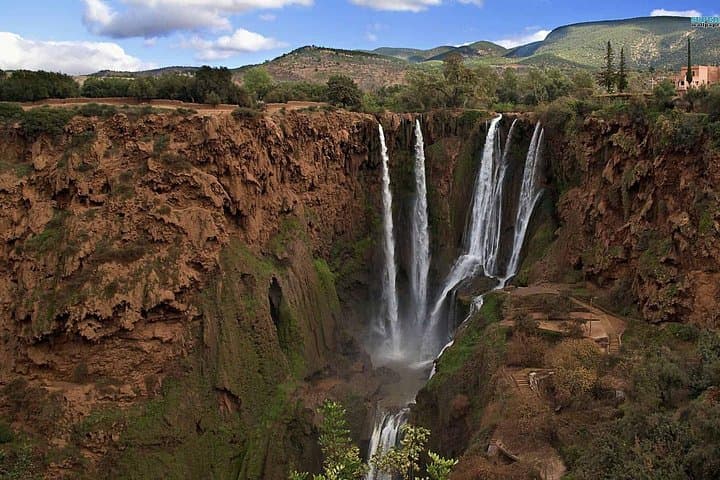

The first time the canyon opens and you hear the water before you see it, the sound feels too big for the valley — a steady, rolling exhale. You approach on a narrow path lined with olive trees; sunlight slices through leaves and beads on the rocks. Then the falls reveal themselves in tiers: sheets of water racing, then pausing, then throwing spray into a prism of rainbows. The drop feels less like an end and more like a hand pulling you forward.
The first time the canyon opens and you hear the water before you see it, the sound feels too big for the valley — a steady, rolling exhale. You approach on a narrow path lined with olive trees; sunlight slices through leaves and beads on the rocks. Then the falls reveal themselves in tiers: sheets of water racing, then pausing, then throwing spray into a prism of rainbows. The drop feels less like an end and more like a hand pulling you forward.
Ouzoud sits on the edge of Morocco’s High Atlas foothills where geology and human land use meet. The falls carve through Miocene limestone, sculpting cascades and plunge pools over millennia. Olive groves plate the slopes—trees tended here by Berber families for generations—and the village economy has long mixed subsistence farming with seasonal visitors. Historically, routes from Demnate and the Azilal plain funneled trade and travelers through these passes; today the trail leads more often to camera lenses than caravans.
On a guided day tour from Marrakech you’ll cross changing landscapes: irrigated fields flattening into scrub, then steep ridgelines that frame Jbel Azoukri and the white-capped shoulders of farther Atlas peaks in winter. Local guides weave cultural notes into the hike—how olives are pressed, how terraces were carved into the hill, and why the emblematic Barbary macaques have made the gorge their playground. You’ll walk through the olive groves, pass cliffside viewpoints and pause for a traditional lunch on a restaurant terrace where the cafeteria-style spread emphasizes tagines, salads and fresh bread.
Practical realities shape the day. The walking component is moderate: expect uneven stone steps, narrow dirt trails and short steep sections (roughly 15 minutes from the main parking area to the main viewpoint). The route is exposed in places; summer heat can be intense and winter mornings crisp and wet. Pack sturdy shoes, a refillable water bottle and a light shell if rain is in the forecast. Respect local wildlife: do not feed monkeys and keep a respectful distance — they’re curious and quick.
Timing is everything. Early departures from Marrakech mean quieter viewpoints and stronger mid-day light for photos; afternoon returns from the falls bring softer light on the olive groves but more people on the trails. For a smooth experience, confirm hotel pickup, tip your guide if they’ve been informative, and bring small cash for market stalls and tea. The Ouzoud day trip rewards the practical traveler: it’s scenic, culturally textured and refreshingly immediate — the kind of place where a single hour of watching water can reset the rhythm of a trip to Morocco.