THE ADVENTURE COLLECTIVE® · Independent discovery and booking for outdoor travel

A full-day escape from Marrakech to the Ouzoud Falls offers a mix of accessible hiking, a short boat ride near the base of the 110 m cascade, and fresh mountain air amid olive groves. This practical guide helps you plan the trip, beat the crowds, and get the most from a day in the Middle Atlas.
A full-day escape from Marrakech to the Ouzoud Falls offers a mix of accessible hiking, a short boat ride near the base of the 110 m cascade, and fresh mountain air amid olive groves. This practical guide helps you plan the trip, beat the crowds, and get the most from a day in the Middle Atlas.
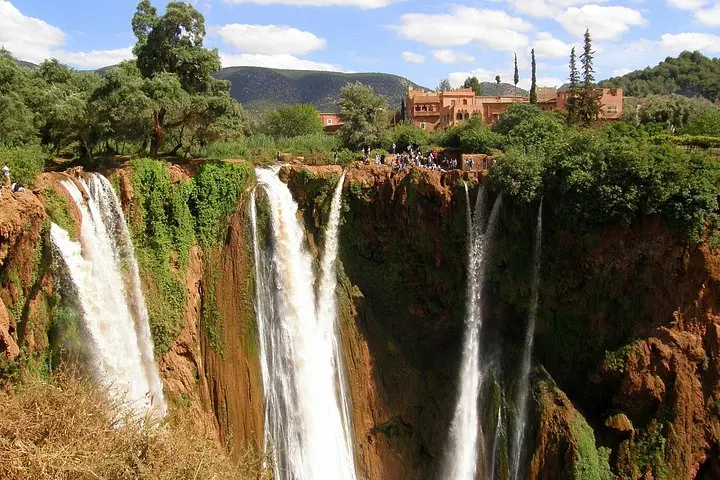
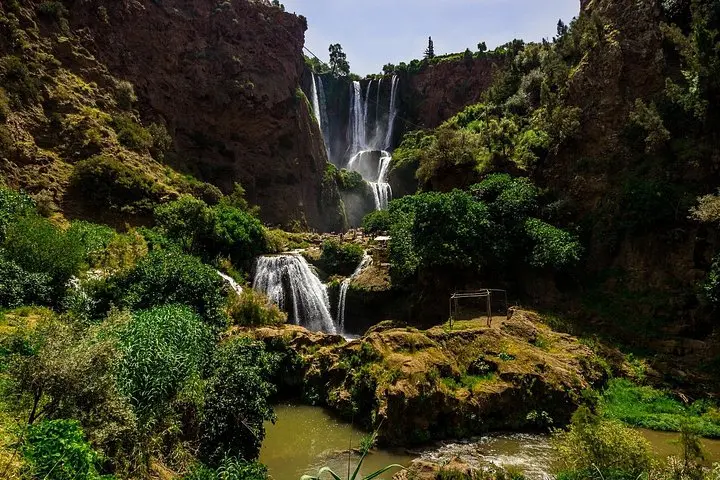
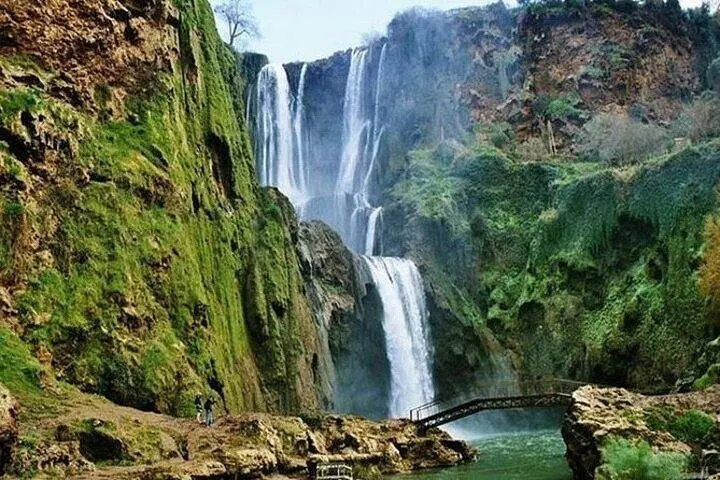
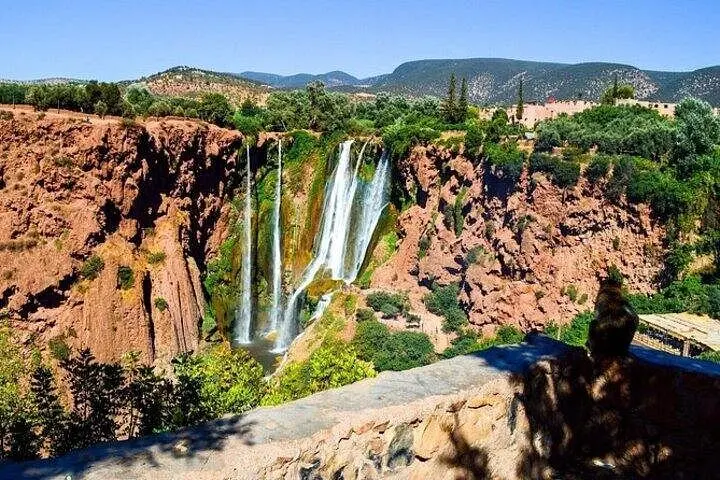
You step out of the minibus into a cool ribbon of mountain air and the sound of water—big, unignorable, insisting you look. From the overlook the Ouzoud Falls pour in ribbons down a stepped cliff face, a white column plunging 110 meters to the El-Abid river below. Early in the morning the terraces and olive groves around the cascades are threaded with light; later the crowds gather on the stone viewpoints and the soundtrack shifts to laughter and bargaining.
Verified experiences and guided adventures in the surrounding area.
Operated by esprit d'aventure marrakech · Ouzoud, Béni Mellal-Khénifra
You step out of the minibus into a cool ribbon of mountain air and the sound of water—big, unignorable, insisting you look. From the overlook the Ouzoud Falls pour in ribbons down a stepped cliff face, a white column plunging 110 meters to the El-Abid river below. Early in the morning the terraces and olive groves around the cascades are threaded with light; later the crowds gather on the stone viewpoints and the soundtrack shifts to laughter and bargaining.
Geology here is visible and immediate: the river slices through layers of sedimentary rock and older alluvial deposits, creating ledges that slow the water into a series of plunges rather than a single drop. Locally the name Ouzoud is thought to come from the Berber phrase for “the act of grinding grain,” a nod to old water mills that once lined these channels and some of which still dot the valley.
This is a living landscape—Tanaghmeilt village terraces olives and fruit trees that have been tended for generations, and small cafés where people dry figs and pour mint tea. Barbary macaques use the cliffside groves as playgrounds; you'll see them at a distance, usually bargaining for snacks with an expression more expectant than aggressive. The falls have long been a regional draw, a place where rural life and tourism intersect.
The day's itinerary is straightforward and purposeful: a climate-controlled transfer from Marrakech, time at viewpoints and a guided short walk around the upper rim, followed by optional stair descent to the river and a brief boat trip near the waterfall's base. The trail down is steep—expect staircases, loose gravel and short sections of slick stone where spray lands—and the climb back up is the heart-rate moment of the trip.
Practical edge: wear sturdy shoes with good grip, carry at least 1.5 liters of water, and bring a lightweight rain shell for the spray. Arrive early to avoid shared-tour congestion and to catch the soft morning light for photos. The boat ride is brief but gives a visceral sense of the falls’ force; it’s usually offered on site and works best when river flow is moderate.
Tips on timing and etiquette: respect local homes and mill remains, keep a safe distance from macaques, and carry cash for snacks, small tips, and the modest entrance fees at viewpoints. If you have mobility issues, ask about viewpoints accessible by vehicle—down-river access involves many stairs.
By late afternoon the minibus hums back toward Marrakech, and the falls recede behind a thicket of olive trees. You leave with wet hair and sharper lungs, having traded the red stone of the city for a day of water, shade and the older rhythms of the Middle Atlas.
The round-trip drive is about 150–180 km each way depending on route and traffic; expect roughly 2.5–3 hours one-way by minibus.
This tour includes a short boat ride near the base of the falls as listed in inclusions—on-site operators typically run the ride and conditions determine operation.
Yes—children are allowed but must be accompanied by an adult; stair sections and river proximity require supervision.
Yes; several small cafes and restaurants near viewpoints and at the base serve mint tea, tagine and light snacks—cash preferred.
Swimming directly under the main plunge is not advised due to strong currents and rocks; some calmer pools downstream may be accessible but check with guides.
The guided walk is short and suitable for most people, but the descent to the river involves many stairs and some uneven terrain—moderate mobility is recommended.
esprit d'aventure marrakech operates guided outdoor trips and adventures with an emphasis on safety, stewardship, and memorable experiences.
You step out of the minibus into a cool ribbon of mountain air and the sound of water—big, unignorable, insisting you look. From the overlook the Ouzoud Falls pour in ribbons down a stepped cliff face, a white column plunging 110 meters to the El-Abid river below. Early in the morning the terraces and olive groves around the cascades are threaded with light; later the crowds gather on the stone viewpoints and the soundtrack shifts to laughter and bargaining.
You step out of the minibus into a cool ribbon of mountain air and the sound of water—big, unignorable, insisting you look. From the overlook the Ouzoud Falls pour in ribbons down a stepped cliff face, a white column plunging 110 meters to the El-Abid river below. Early in the morning the terraces and olive groves around the cascades are threaded with light; later the crowds gather on the stone viewpoints and the soundtrack shifts to laughter and bargaining.
Geology here is visible and immediate: the river slices through layers of sedimentary rock and older alluvial deposits, creating ledges that slow the water into a series of plunges rather than a single drop. Locally the name Ouzoud is thought to come from the Berber phrase for “the act of grinding grain,” a nod to old water mills that once lined these channels and some of which still dot the valley.
This is a living landscape—Tanaghmeilt village terraces olives and fruit trees that have been tended for generations, and small cafés where people dry figs and pour mint tea. Barbary macaques use the cliffside groves as playgrounds; you'll see them at a distance, usually bargaining for snacks with an expression more expectant than aggressive. The falls have long been a regional draw, a place where rural life and tourism intersect.
The day's itinerary is straightforward and purposeful: a climate-controlled transfer from Marrakech, time at viewpoints and a guided short walk around the upper rim, followed by optional stair descent to the river and a brief boat trip near the waterfall's base. The trail down is steep—expect staircases, loose gravel and short sections of slick stone where spray lands—and the climb back up is the heart-rate moment of the trip.
Practical edge: wear sturdy shoes with good grip, carry at least 1.5 liters of water, and bring a lightweight rain shell for the spray. Arrive early to avoid shared-tour congestion and to catch the soft morning light for photos. The boat ride is brief but gives a visceral sense of the falls’ force; it’s usually offered on site and works best when river flow is moderate.
Tips on timing and etiquette: respect local homes and mill remains, keep a safe distance from macaques, and carry cash for snacks, small tips, and the modest entrance fees at viewpoints. If you have mobility issues, ask about viewpoints accessible by vehicle—down-river access involves many stairs.
By late afternoon the minibus hums back toward Marrakech, and the falls recede behind a thicket of olive trees. You leave with wet hair and sharper lungs, having traded the red stone of the city for a day of water, shade and the older rhythms of the Middle Atlas.