THE ADVENTURE COLLECTIVE® · Independent discovery and booking for outdoor travel

A full-day escape from Marrakech, the Ouzoud Waterfalls combine a brisk stair descent, swim-ready plunge pools and a traditional Amazigh lunch with views. Expect boat rides, village markets and a moderately steep return climb.
A full-day escape from Marrakech, the Ouzoud Waterfalls combine a brisk stair descent, swim-ready plunge pools and a traditional Amazigh lunch with views. Expect boat rides, village markets and a moderately steep return climb.
The afternoon light slices through olive branches as the first roar of Ouzoud reaches you long before the falls come into view. On a day trip from Marrakech the road opens into terraces of silver-green trees and, then, a ribbon of white water tumbling over red rock — the Cascades d’Ouzoud. Travelers step out of an air-conditioned minibus into a buzz of vendors, guide chatter and the wet, mineral scent that clings to stone. The falls do the rest: they dare you closer with spray, thread sunlight through mist, and invite a slow, cold swim in the plunge pools below.
Verified experiences and guided adventures in the surrounding area.
Operated by moroccoatlastours · Ouzoud, Azilal Province
The afternoon light slices through olive branches as the first roar of Ouzoud reaches you long before the falls come into view. On a day trip from Marrakech the road opens into terraces of silver-green trees and, then, a ribbon of white water tumbling over red rock — the Cascades d’Ouzoud. Travelers step out of an air-conditioned minibus into a buzz of vendors, guide chatter and the wet, mineral scent that clings to stone. The falls do the rest: they dare you closer with spray, thread sunlight through mist, and invite a slow, cold swim in the plunge pools below.
Geologically, Ouzoud is a youthful incision in the Atlas foothills where seasonal runoff has carved channels through Miocene sandstone and volcanic layers. The name “Ouzoud” comes from the local Amazigh (Berber) language and the settlement around the falls offers a direct line to Amazigh life — olives, terraced fields and stone houses with painted doors. For centuries these cliffs have supported small-scale agriculture; today the cascade fuels a modest tourist economy built around berber restaurants, small boat rides and guided walks.
A typical excursion from Marrakech runs 8–9 hours. After a guided descent down roughly 200 stone steps, visitors reach a riverside platform where they can swim in natural pools, hire a short motorboat to skirt the base of the falls, or relax on terraces that look directly over the cascade as lunch is served. The village walk after lunch threads narrow lanes and a tiny souk where local carpet weavers and olive-oil producers sell goods. Monkeys — curious Barbary macaques — and kingfishers are frequent companions but expect to give wildlife plenty of space.
Practically, the route is straightforward but variable: steep stairs on the way down, rocky walking at water level and sun-exposed terraces. Expect roughly 150–200 meters of elevation change from the rim to the river; the return climb is the day’s main workout. Bring a swimsuit, water shoes or sturdy sandals for slippery sections, sun protection and cash for small purchases. Timing matters: arrive mid-morning to avoid the busiest tour groups and aim for late afternoon light if photography is a priority. If you plan to swim, check local conditions and follow your guide — currents can pull unexpectedly in the pools.
This day trip is an accessible introduction to the Atlas foothills and Amazigh culture: it blends a short, scenic hike, water play and a village meal without specialized gear or technical skills. For travelers based in Marrakech it’s an efficient way to swap souk crowds for running water and olive-scented air, all within a single, memorable day.
The transfer is typically 2.5–3 hours each way depending on traffic; tours run an entire day (about 8–9 hours total).
Yes — there are natural pools suitable for swimming near the base, but always check conditions with your guide as currents and rock depth vary.
Most day-trip packages include a traditional Moroccan lunch at a Berber restaurant overlooking the falls; confirm when booking for dietary needs.
The path has many stairs and some uneven terrain—children and older travelers can participate but should be monitored; the tour notes it is family-friendly but advises caution.
You may see Barbary macaques and various birds; do not feed or chase animals and keep a respectful distance.
Yes; the falls flow year-round with peak volume after winter rains. Some operators may cancel in severe weather — check cancellation policies.
moroccoatlastours operates guided outdoor trips and adventures with an emphasis on safety, stewardship, and memorable experiences.
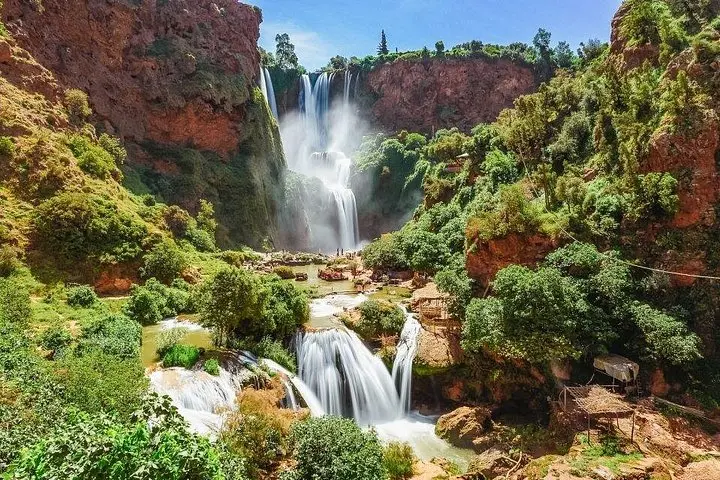
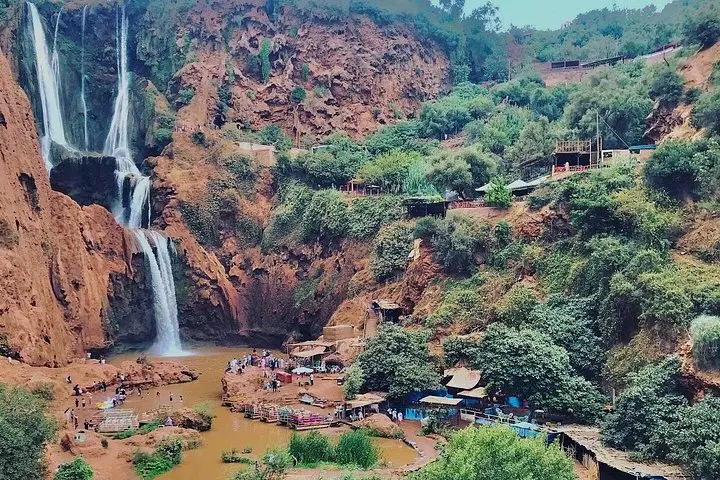
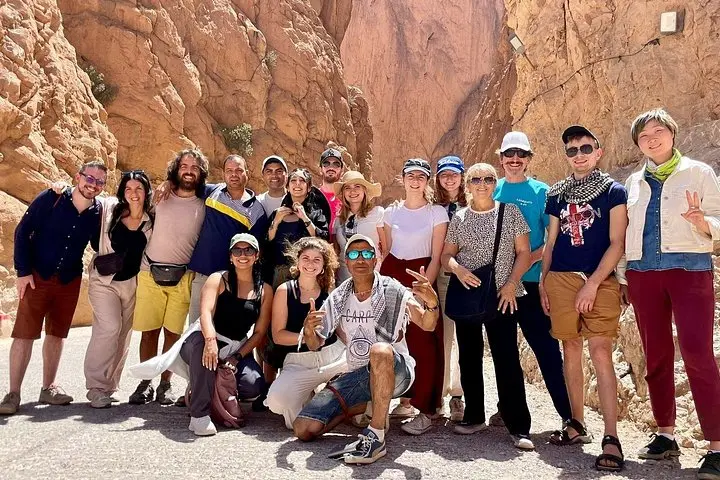
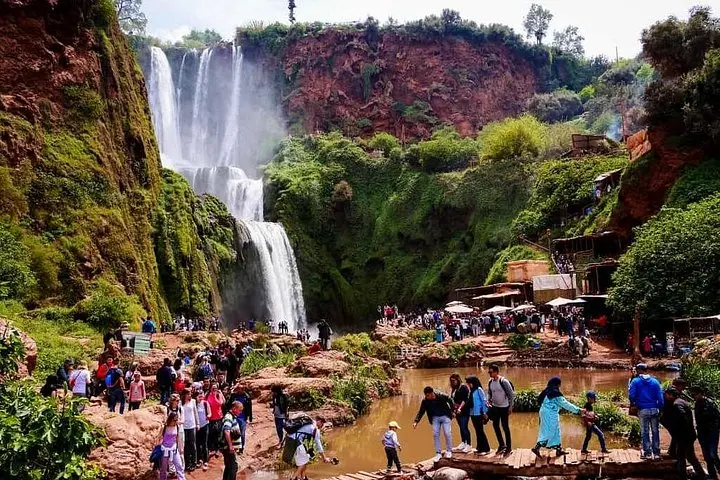
The afternoon light slices through olive branches as the first roar of Ouzoud reaches you long before the falls come into view. On a day trip from Marrakech the road opens into terraces of silver-green trees and, then, a ribbon of white water tumbling over red rock — the Cascades d’Ouzoud. Travelers step out of an air-conditioned minibus into a buzz of vendors, guide chatter and the wet, mineral scent that clings to stone. The falls do the rest: they dare you closer with spray, thread sunlight through mist, and invite a slow, cold swim in the plunge pools below.
The afternoon light slices through olive branches as the first roar of Ouzoud reaches you long before the falls come into view. On a day trip from Marrakech the road opens into terraces of silver-green trees and, then, a ribbon of white water tumbling over red rock — the Cascades d’Ouzoud. Travelers step out of an air-conditioned minibus into a buzz of vendors, guide chatter and the wet, mineral scent that clings to stone. The falls do the rest: they dare you closer with spray, thread sunlight through mist, and invite a slow, cold swim in the plunge pools below.
Geologically, Ouzoud is a youthful incision in the Atlas foothills where seasonal runoff has carved channels through Miocene sandstone and volcanic layers. The name “Ouzoud” comes from the local Amazigh (Berber) language and the settlement around the falls offers a direct line to Amazigh life — olives, terraced fields and stone houses with painted doors. For centuries these cliffs have supported small-scale agriculture; today the cascade fuels a modest tourist economy built around berber restaurants, small boat rides and guided walks.
A typical excursion from Marrakech runs 8–9 hours. After a guided descent down roughly 200 stone steps, visitors reach a riverside platform where they can swim in natural pools, hire a short motorboat to skirt the base of the falls, or relax on terraces that look directly over the cascade as lunch is served. The village walk after lunch threads narrow lanes and a tiny souk where local carpet weavers and olive-oil producers sell goods. Monkeys — curious Barbary macaques — and kingfishers are frequent companions but expect to give wildlife plenty of space.
Practically, the route is straightforward but variable: steep stairs on the way down, rocky walking at water level and sun-exposed terraces. Expect roughly 150–200 meters of elevation change from the rim to the river; the return climb is the day’s main workout. Bring a swimsuit, water shoes or sturdy sandals for slippery sections, sun protection and cash for small purchases. Timing matters: arrive mid-morning to avoid the busiest tour groups and aim for late afternoon light if photography is a priority. If you plan to swim, check local conditions and follow your guide — currents can pull unexpectedly in the pools.
This day trip is an accessible introduction to the Atlas foothills and Amazigh culture: it blends a short, scenic hike, water play and a village meal without specialized gear or technical skills. For travelers based in Marrakech it’s an efficient way to swap souk crowds for running water and olive-scented air, all within a single, memorable day.