THE ADVENTURE COLLECTIVE® · Independent discovery and booking for outdoor travel

Two hours from Marrakech, Ouzoud’s cascading tiers offer a quick and dramatic escape from the medina’s noise. This full-day trip combines short cliff-top hikes, an optional boat to the pool base, a countryside lunch and frequent monkey sightings.
Two hours from Marrakech, Ouzoud’s cascading tiers offer a quick and dramatic escape from the medina’s noise. This full-day trip combines short cliff-top hikes, an optional boat to the pool base, a countryside lunch and frequent monkey sightings.
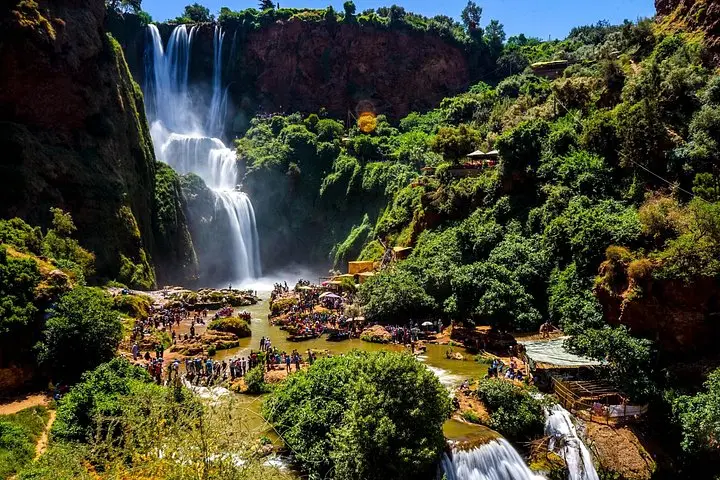
You leave Marrakech before the city fully wakes: the medina’s tile roofs recede in your rearview as the road climbs into the lower Atlas, olive groves sliding by like stitched blankets. An hour and a half in, the highway narrows and the air smells greener — eucalyptus and damp earth — and then the valley drops away. At the rim, the falls announce themselves with a distant roar; stepping onto the viewpoints, water takes over the scene, tumbling in ribbons over weathered rock into deep, glassy pools that dare you to get closer.
Verified experiences and guided adventures in the surrounding area.
Operated by Tours 4 you · Ouzoud, Béni Mellal-Khénifra
You leave Marrakech before the city fully wakes: the medina’s tile roofs recede in your rearview as the road climbs into the lower Atlas, olive groves sliding by like stitched blankets. An hour and a half in, the highway narrows and the air smells greener — eucalyptus and damp earth — and then the valley drops away. At the rim, the falls announce themselves with a distant roar; stepping onto the viewpoints, water takes over the scene, tumbling in ribbons over weathered rock into deep, glassy pools that dare you to get closer.
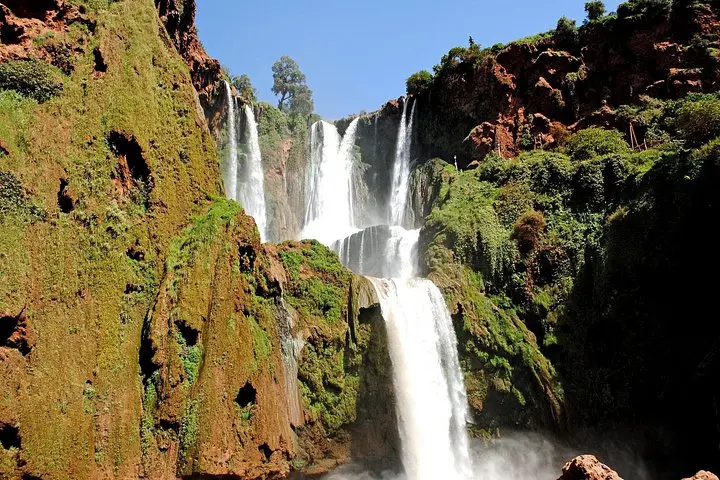
Ouzoud is not a single cataract but a stepped descent carved by the El-Abid river through Miocene-era limestone. Generations of Berber farmers cultivated terraces and olive presses along the ravine; the name Ouzoud comes from the Amazigh word for the olive mills that once dominated the valley. Geologically it’s a gentle classroom: layered sedimentary rock, tufa deposits where mineral-rich water has built small dams, and a canyon that widens into a bowl where birds hunt and waterworn trees hang like draped curtains.
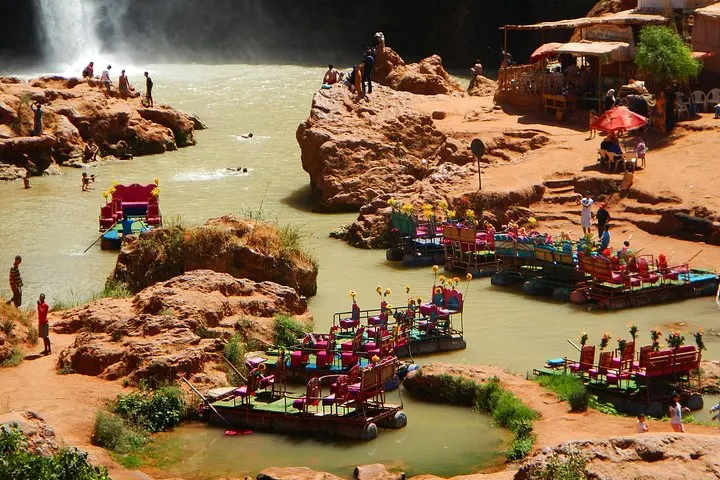
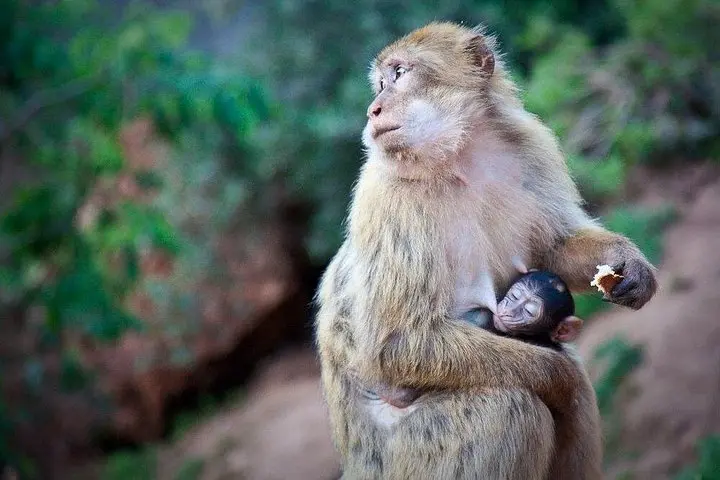
Local life threads into the topography. Small cafés perch on the cliffs; guides and boatmen advertise gentle motorized punts that skirt the base pools. You’ll see villagers selling freshly pressed orange juice and tajine lunches — a practical comfort after steep switchbacks and wet stone. Wild Barbary macaques haunt the shaded paths near the falls, nimble and unapologetic; observe them from a distance and pack snacks for yourself, not for the wildlife.
This tour compresses the best parts into a ten-hour day: a two-hour drive from Marrakech, two to three hours exploring viewpoints and trails, an optional boat trip to the base, followed by lunch beside the cascades and a relaxed return at dusk. Trails are short but steep in sections — expect uneven rock, loose gravel, and steps carved into the cliff. Footwear with traction matters more than fancy gear.
Practical planning: start early to beat the crowds and mid-day heat, bring a refillable water bottle and sun protection, and carry a light rain layer in shoulder seasons when mountain weather flips. If you plan to swim, rinse shoes and pack a dry bag; if you go by boat, expect to get splashed. Be mindful of animal interactions: don’t feed monkeys and secure loose items. The best photos come in the softer light of morning or late afternoon when spray catches the sun.
Ouzoud is an efficient escape from Marrakech’s intensity — a day that balances accessible adventure, local flavor, and clear, wet minutes of astonishment. It’s scenic, straightforward, and offers enough variety to satisfy hikers, swimmers and anyone who wants to trade a city’s clamor for the steady, insistent voice of falling water.
Approximately two hours each way by air-conditioned vehicle; the full tour runs about 10 hours including time at the falls.
Yes — there are natural pools at the base suitable for swimming in summer, but follow local guidance and avoid strong currents.
Barbary macaques are commonly seen around the trails; sightings are frequent but not guaranteed.
Most full-day tours include a set lunch by the falls; confirm dietary needs when booking.
Trails are accessible to most ages but include steep sections and stairs; slower walkers should plan extra time.
Boat rides are often optional and may be an extra cost—confirm with the operator and be prepared to get wet.
Tours 4 you operates guided outdoor trips and adventures with an emphasis on safety, stewardship, and memorable experiences.
You leave Marrakech before the city fully wakes: the medina’s tile roofs recede in your rearview as the road climbs into the lower Atlas, olive groves sliding by like stitched blankets. An hour and a half in, the highway narrows and the air smells greener — eucalyptus and damp earth — and then the valley drops away. At the rim, the falls announce themselves with a distant roar; stepping onto the viewpoints, water takes over the scene, tumbling in ribbons over weathered rock into deep, glassy pools that dare you to get closer.
You leave Marrakech before the city fully wakes: the medina’s tile roofs recede in your rearview as the road climbs into the lower Atlas, olive groves sliding by like stitched blankets. An hour and a half in, the highway narrows and the air smells greener — eucalyptus and damp earth — and then the valley drops away. At the rim, the falls announce themselves with a distant roar; stepping onto the viewpoints, water takes over the scene, tumbling in ribbons over weathered rock into deep, glassy pools that dare you to get closer.
Ouzoud is not a single cataract but a stepped descent carved by the El-Abid river through Miocene-era limestone. Generations of Berber farmers cultivated terraces and olive presses along the ravine; the name Ouzoud comes from the Amazigh word for the olive mills that once dominated the valley. Geologically it’s a gentle classroom: layered sedimentary rock, tufa deposits where mineral-rich water has built small dams, and a canyon that widens into a bowl where birds hunt and waterworn trees hang like draped curtains.
Local life threads into the topography. Small cafés perch on the cliffs; guides and boatmen advertise gentle motorized punts that skirt the base pools. You’ll see villagers selling freshly pressed orange juice and tajine lunches — a practical comfort after steep switchbacks and wet stone. Wild Barbary macaques haunt the shaded paths near the falls, nimble and unapologetic; observe them from a distance and pack snacks for yourself, not for the wildlife.
This tour compresses the best parts into a ten-hour day: a two-hour drive from Marrakech, two to three hours exploring viewpoints and trails, an optional boat trip to the base, followed by lunch beside the cascades and a relaxed return at dusk. Trails are short but steep in sections — expect uneven rock, loose gravel, and steps carved into the cliff. Footwear with traction matters more than fancy gear.
Practical planning: start early to beat the crowds and mid-day heat, bring a refillable water bottle and sun protection, and carry a light rain layer in shoulder seasons when mountain weather flips. If you plan to swim, rinse shoes and pack a dry bag; if you go by boat, expect to get splashed. Be mindful of animal interactions: don’t feed monkeys and secure loose items. The best photos come in the softer light of morning or late afternoon when spray catches the sun.
Ouzoud is an efficient escape from Marrakech’s intensity — a day that balances accessible adventure, local flavor, and clear, wet minutes of astonishment. It’s scenic, straightforward, and offers enough variety to satisfy hikers, swimmers and anyone who wants to trade a city’s clamor for the steady, insistent voice of falling water.