THE ADVENTURE COLLECTIVE® · Independent discovery and booking for outdoor travel

A full-day escape from Marrakech to Ouzoud delivers one of North Africa’s most dramatic waterfalls, close encounters with Barbary macaques and riverside tajines. Expect a three-hour drive each way, well-marked trails and plenty of photo ops.
A full-day escape from Marrakech to Ouzoud delivers one of North Africa’s most dramatic waterfalls, close encounters with Barbary macaques and riverside tajines. Expect a three-hour drive each way, well-marked trails and plenty of photo ops.
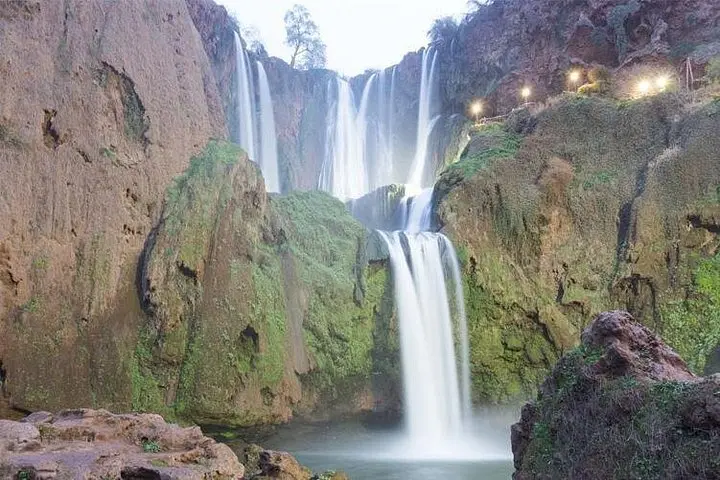
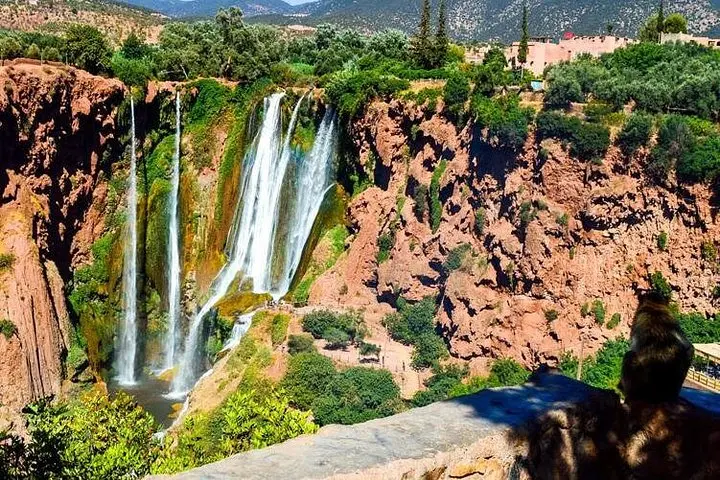
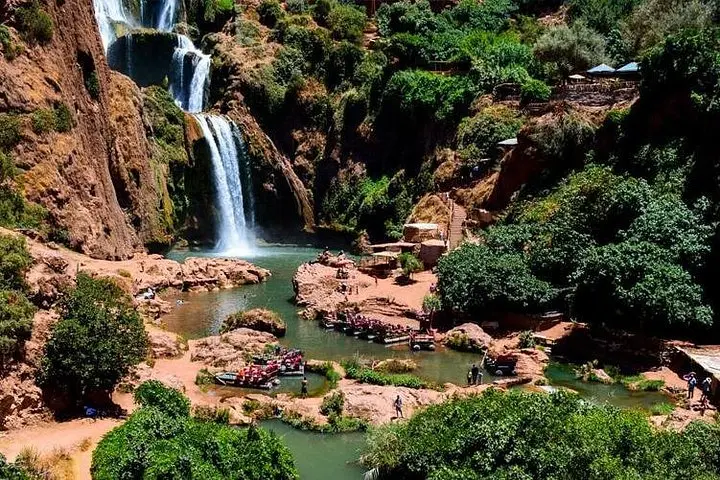
The road out of Marrakech peels away from the city's ochre walls and the atlas foothills loom like a promise—a three-hour ribbon of highway that narrows into olive-splattered lanes and stone villages. You arrive to the sound before the sight: water, running insistently, then falling. Ouzoud's cascades drop in stepped veils over terraces of rock; spray knifes the air and the river below dares you to come closer. Wooden walkways thread the cliffs, cafés crow with steam from tajine pots, and curious Barbary macaques hop between ledges as if they own the view.
Verified experiences and guided adventures in the surrounding area.
Operated by Morocco City Breaks · Ouzoud, Marrakesh-Safi
The road out of Marrakech peels away from the city's ochre walls and the atlas foothills loom like a promise—a three-hour ribbon of highway that narrows into olive-splattered lanes and stone villages. You arrive to the sound before the sight: water, running insistently, then falling. Ouzoud's cascades drop in stepped veils over terraces of rock; spray knifes the air and the river below dares you to come closer. Wooden walkways thread the cliffs, cafés crow with steam from tajine pots, and curious Barbary macaques hop between ledges as if they own the view.
Geology here is plain and readable: Miocene-aged limestone and sandstone have been sculpted into steep gorges and plunge pools. The falls themselves are a series of drops that together reach roughly 110 meters—one of North Africa’s highest cascades—carving terraces where olive groves and traditional stone mills once clustered. The area has been inhabited for centuries by Berber communities whose agriculture and millwork shaped the land; many of the mills you pass are relics that still turn after winter rains.
Culturally, Ouzoud is a meeting place—locals run simple restaurants on the rim serving tajine, fresh bread and mint tea; small vendors sell oranges and pomegranates pulled straight from the groves. Language shifts from Moroccan Arabic to Tamazight in nearby villages; the rhythm of life here is slower and centered on the water that feeds fields and families.
Practical guide: the Viator day trip departs Marrakech around 8:00 and returns near 19:00—roughly 150 km each way with three hours of driving. You get about four hours at the falls: enough time to follow the rim trail, descend to the base pools, and eat at a riverside restaurant. Trails are stone and packed earth with steps; wear sturdy shoes instead of flip-flops. Swimming is possible in calmer sections but check currents and signage—water temperature can be brisk, and entry points are uneven.
Bring cash (Moroccan dirham) for small purchases and tipping; most restaurants accept cash only. Respect wildlife: do not feed the macaques and keep cameras tethered. Weather varies—spring and after rains swell the falls to their fullest; summer is hot but dry; autumn mellows with softer light. If you want quieter moments, arrive just after opening or plan for late afternoon light for photos. Finally, support local vendors and guides: small purchases and a modest tip go a long way toward sustaining the communities that steward the falls.
Expect about three hours each way, roughly 150 km, depending on traffic and stops along the route.
Yes—there are calm pools at the base suitable for swimming, but check local signs and conditions; currents and water temperature can vary.
Multiple small restaurants and cafés line the rim and riverside offering tajine, salads, tea and fresh orange juice—cash preferred.
The main viewpoints are family-friendly, but descending to the base involves stairs and uneven paths—assist children and watch mobility limitations.
Barbary macaques are generally curious but can snatch food or belongings; don’t feed them and keep bags closed.
Yes—many local guides offer short walks and explanations of the mills, olive terraces and fall history; hiring a guide supports the community.
Morocco City Breaks operates guided outdoor trips and adventures with an emphasis on safety, stewardship, and memorable experiences.
The road out of Marrakech peels away from the city's ochre walls and the atlas foothills loom like a promise—a three-hour ribbon of highway that narrows into olive-splattered lanes and stone villages. You arrive to the sound before the sight: water, running insistently, then falling. Ouzoud's cascades drop in stepped veils over terraces of rock; spray knifes the air and the river below dares you to come closer. Wooden walkways thread the cliffs, cafés crow with steam from tajine pots, and curious Barbary macaques hop between ledges as if they own the view.
The road out of Marrakech peels away from the city's ochre walls and the atlas foothills loom like a promise—a three-hour ribbon of highway that narrows into olive-splattered lanes and stone villages. You arrive to the sound before the sight: water, running insistently, then falling. Ouzoud's cascades drop in stepped veils over terraces of rock; spray knifes the air and the river below dares you to come closer. Wooden walkways thread the cliffs, cafés crow with steam from tajine pots, and curious Barbary macaques hop between ledges as if they own the view.
Geology here is plain and readable: Miocene-aged limestone and sandstone have been sculpted into steep gorges and plunge pools. The falls themselves are a series of drops that together reach roughly 110 meters—one of North Africa’s highest cascades—carving terraces where olive groves and traditional stone mills once clustered. The area has been inhabited for centuries by Berber communities whose agriculture and millwork shaped the land; many of the mills you pass are relics that still turn after winter rains.
Culturally, Ouzoud is a meeting place—locals run simple restaurants on the rim serving tajine, fresh bread and mint tea; small vendors sell oranges and pomegranates pulled straight from the groves. Language shifts from Moroccan Arabic to Tamazight in nearby villages; the rhythm of life here is slower and centered on the water that feeds fields and families.
Practical guide: the Viator day trip departs Marrakech around 8:00 and returns near 19:00—roughly 150 km each way with three hours of driving. You get about four hours at the falls: enough time to follow the rim trail, descend to the base pools, and eat at a riverside restaurant. Trails are stone and packed earth with steps; wear sturdy shoes instead of flip-flops. Swimming is possible in calmer sections but check currents and signage—water temperature can be brisk, and entry points are uneven.
Bring cash (Moroccan dirham) for small purchases and tipping; most restaurants accept cash only. Respect wildlife: do not feed the macaques and keep cameras tethered. Weather varies—spring and after rains swell the falls to their fullest; summer is hot but dry; autumn mellows with softer light. If you want quieter moments, arrive just after opening or plan for late afternoon light for photos. Finally, support local vendors and guides: small purchases and a modest tip go a long way toward sustaining the communities that steward the falls.