THE ADVENTURE COLLECTIVE® · Independent discovery and booking for outdoor travel

A full-day escape from Marrakech, the Ouzoud Waterfalls deliver dramatic drops, cool plunge pools and close encounters with local wildlife. This guided tour pairs easy walking trails and village stops with photo-ready viewpoints—perfect for travelers wanting a nature break without overnight logistics.
A full-day escape from Marrakech, the Ouzoud Waterfalls deliver dramatic drops, cool plunge pools and close encounters with local wildlife. This guided tour pairs easy walking trails and village stops with photo-ready viewpoints—perfect for travelers wanting a nature break without overnight logistics.
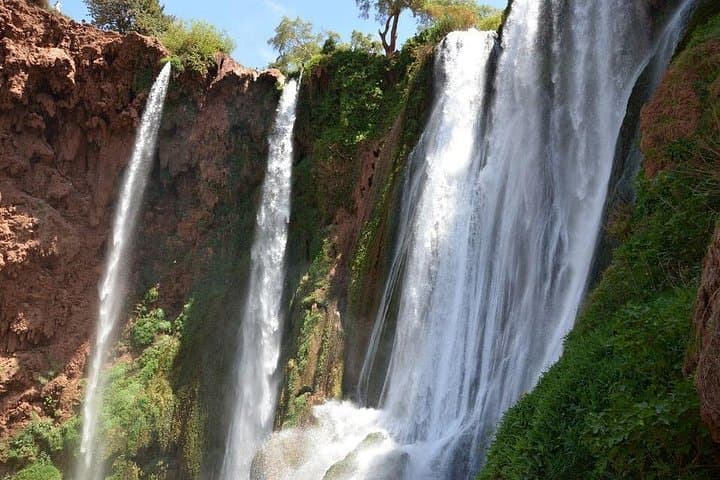
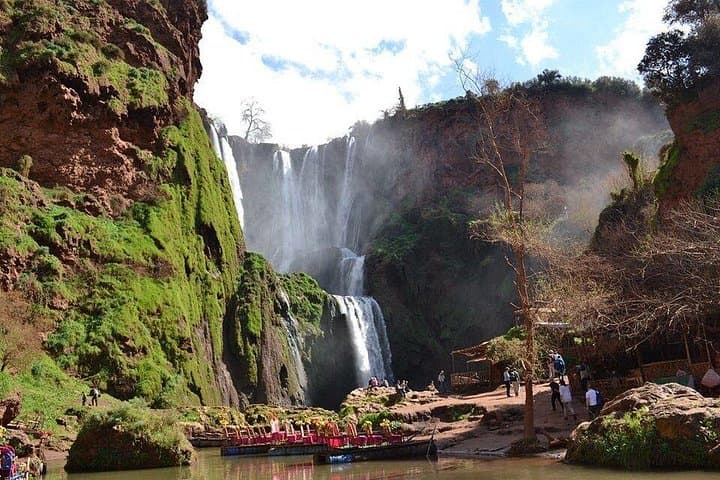
The road from Marrakech winds out of the city and into a softer Morocco—olive groves give way to terraced fields and the High Atlas drops into green ravines. By midmorning the sound changes: a distant thunder that becomes a clear, cascading roar. You step from the minivan onto a sunlit rim above the Cascades d'Ouzoud and the falls, a braided curtain of water, unroll before you, charging the valley with spray that smells faintly of wet stone and thyme.
Verified experiences and guided adventures in the surrounding area.
Operated by Agadir Tagesausfluge · Ouzoud, Béni Mellal-Khénifra
The road from Marrakech winds out of the city and into a softer Morocco—olive groves give way to terraced fields and the High Atlas drops into green ravines. By midmorning the sound changes: a distant thunder that becomes a clear, cascading roar. You step from the minivan onto a sunlit rim above the Cascades d'Ouzoud and the falls, a braided curtain of water, unroll before you, charging the valley with spray that smells faintly of wet stone and thyme.
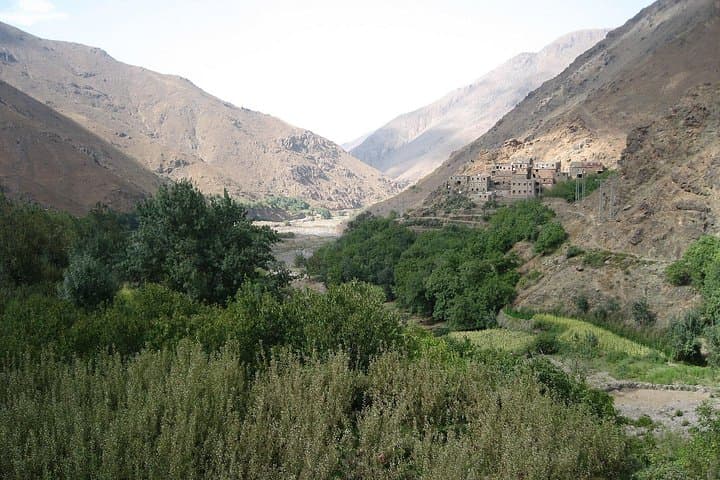
Ouzoud has drawn travelers for generations. The name likely comes from the Berber word for 'olive', which is fitting—groves fan the slopes above the falls, and small Berber villages cling to the ridgelines. Geologically the falls are a series of marble and limestone steps where the El Abid (the 'Slayer' river) drops about 110 meters through pockets of resistant rock. Locals traditionally used the river for irrigation and mills; today the path networks and cafes that sit on natural terraces are evidence of a tourism economy that grew around the cascades in the 20th century.
Culturally, a visit is part nature and part village life. You may pass sellers plying fresh mint tea and olives, children practicing their French, and mule trains returning from fields. The area is also known for its resident macaque monkeys—curious and assertive—who have become accustomed to human presence, though they are wild and should be respected from a distance.
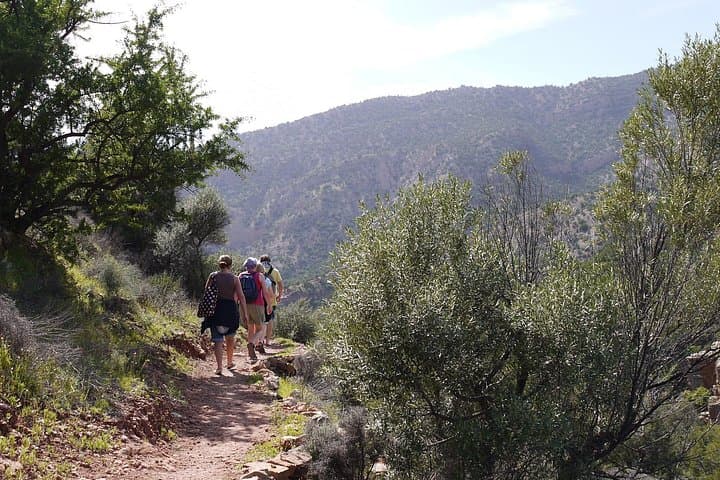
Practical guidance: tours operate as a long day from Marrakech—expect roughly 2.5–3 hours each way, and plan for 4 hours on-site. The walking is easy to moderate: paved viewpoints, unpaved switchbacks, and a few wet, uneven rock paths near the plunge pools. If you want to swim, bring a towel and quick-dry layers; the pools are cool even in summer. Shoes with good grip are recommended for the moist sections.
Timing matters. Arrive earlier in the day for clearer light and fewer crowds at the most popular viewpoints; late afternoon brings soft light but more visitors. Bring sunscreen, a refillable water bottle, and small change to support local cafés and artisans. Keep a safe distance from the monkeys and avoid feeding them—feeding disrupts natural behaviors and can encourage aggressive interactions.
For travelers wanting more than a photo stop: take the switchback trail down to the river, hire a local guide for short hikes to nearby lookouts, or linger at a terrace café for lunch and watch the falls take the afternoon apart. The trip is an achievable day escape from Marrakech that balances dramatic scenery, accessible hiking, and a sharp dose of rural Moroccan life—easy to reach, and stubbornly vivid once you arrive.
Expect roughly 9–11 hours round-trip, including about 2.5–3 hours each way by road and roughly 3–4 hours at the falls.
Yes—most full-day tours allow time to swim in designated plunge pools; bring a towel and be prepared for cool water.
Some main viewpoints and terraces are accessible, but the trails close to the river and plunge pools have steps and uneven surfaces.
Macaque monkeys are common around the falls, but they are wild—observe from a distance and do not feed them.
Tours typically include a stop at a local café; you can bring snacks but expect to have a hot tagine or sandwiches at riverside restaurants.
Yes—this is family-friendly. Keep an eye on kids near the water and the monkeys, and bring sun protection.
Agadir Tagesausfluge operates guided outdoor trips and adventures with an emphasis on safety, stewardship, and memorable experiences.
The road from Marrakech winds out of the city and into a softer Morocco—olive groves give way to terraced fields and the High Atlas drops into green ravines. By midmorning the sound changes: a distant thunder that becomes a clear, cascading roar. You step from the minivan onto a sunlit rim above the Cascades d'Ouzoud and the falls, a braided curtain of water, unroll before you, charging the valley with spray that smells faintly of wet stone and thyme.
The road from Marrakech winds out of the city and into a softer Morocco—olive groves give way to terraced fields and the High Atlas drops into green ravines. By midmorning the sound changes: a distant thunder that becomes a clear, cascading roar. You step from the minivan onto a sunlit rim above the Cascades d'Ouzoud and the falls, a braided curtain of water, unroll before you, charging the valley with spray that smells faintly of wet stone and thyme.
Ouzoud has drawn travelers for generations. The name likely comes from the Berber word for 'olive', which is fitting—groves fan the slopes above the falls, and small Berber villages cling to the ridgelines. Geologically the falls are a series of marble and limestone steps where the El Abid (the 'Slayer' river) drops about 110 meters through pockets of resistant rock. Locals traditionally used the river for irrigation and mills; today the path networks and cafes that sit on natural terraces are evidence of a tourism economy that grew around the cascades in the 20th century.
Culturally, a visit is part nature and part village life. You may pass sellers plying fresh mint tea and olives, children practicing their French, and mule trains returning from fields. The area is also known for its resident macaque monkeys—curious and assertive—who have become accustomed to human presence, though they are wild and should be respected from a distance.
Practical guidance: tours operate as a long day from Marrakech—expect roughly 2.5–3 hours each way, and plan for 4 hours on-site. The walking is easy to moderate: paved viewpoints, unpaved switchbacks, and a few wet, uneven rock paths near the plunge pools. If you want to swim, bring a towel and quick-dry layers; the pools are cool even in summer. Shoes with good grip are recommended for the moist sections.
Timing matters. Arrive earlier in the day for clearer light and fewer crowds at the most popular viewpoints; late afternoon brings soft light but more visitors. Bring sunscreen, a refillable water bottle, and small change to support local cafés and artisans. Keep a safe distance from the monkeys and avoid feeding them—feeding disrupts natural behaviors and can encourage aggressive interactions.
For travelers wanting more than a photo stop: take the switchback trail down to the river, hire a local guide for short hikes to nearby lookouts, or linger at a terrace café for lunch and watch the falls take the afternoon apart. The trip is an achievable day escape from Marrakech that balances dramatic scenery, accessible hiking, and a sharp dose of rural Moroccan life—easy to reach, and stubbornly vivid once you arrive.