THE ADVENTURE COLLECTIVE® · Independent discovery and booking for outdoor travel

Escape Marrakech for a full-day adventure to Ouzoud Waterfalls and the Imin Ifri natural bridge—two striking geological sites framed by olive groves and Berber villages. This 9–11 hour outing blends short hikes, dramatic waterfalls, and local hospitality into a compact, accessible excursion.
Escape Marrakech for a full-day adventure to Ouzoud Waterfalls and the Imin Ifri natural bridge—two striking geological sites framed by olive groves and Berber villages. This 9–11 hour outing blends short hikes, dramatic waterfalls, and local hospitality into a compact, accessible excursion.
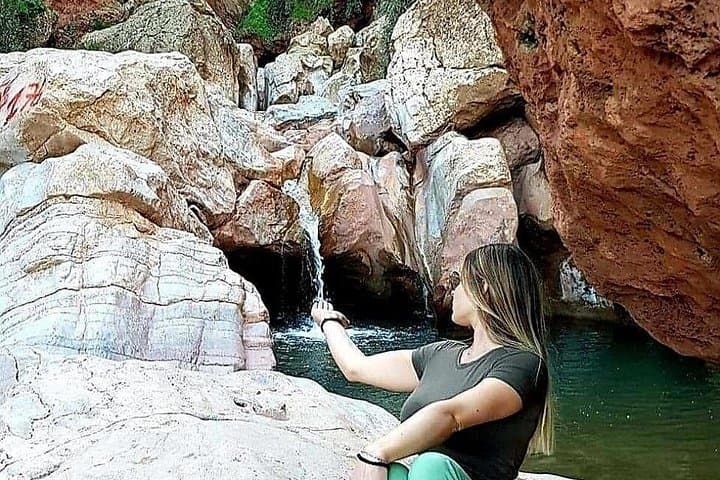
The day begins before dawn in Marrakech, when the city’s ochre walls are still cool and the guide’s minivan hums out onto the highway toward the High Atlas. By midmorning the road has dropped into a green valley where olive groves step down the hills and terraces of barley flicker in the wind. Water announces itself first as a whisper and then, at a bend in a shaded gorge, as the thunder of Ouzoud: three-tiered cataracts plunging more than 100 meters into a basin ringed by palms and stone mills.
Verified experiences and guided adventures in the surrounding area.
Operated by Marrakech Tours Excursions · Marrakech, Marrakesh-Safi
The day begins before dawn in Marrakech, when the city’s ochre walls are still cool and the guide’s minivan hums out onto the highway toward the High Atlas. By midmorning the road has dropped into a green valley where olive groves step down the hills and terraces of barley flicker in the wind. Water announces itself first as a whisper and then, at a bend in a shaded gorge, as the thunder of Ouzoud: three-tiered cataracts plunging more than 100 meters into a basin ringed by palms and stone mills.
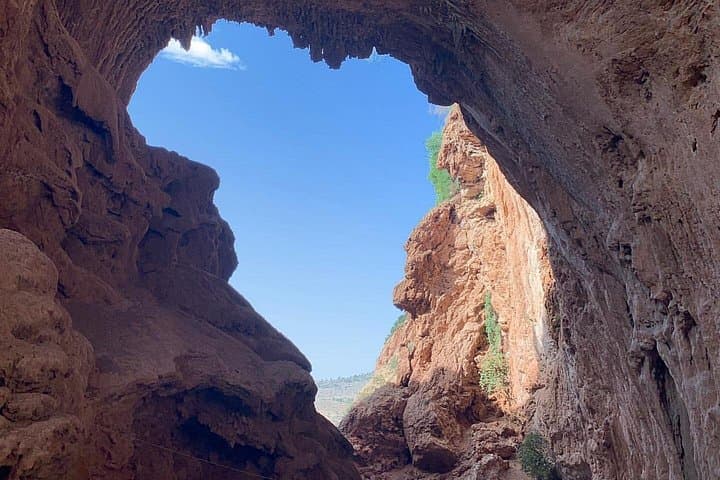
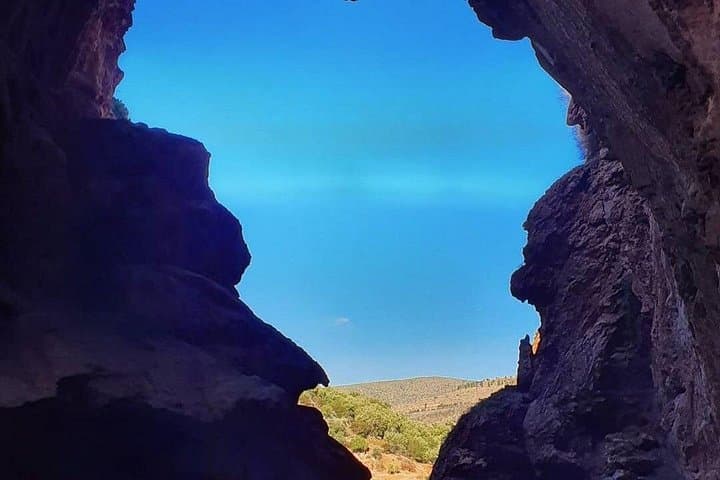
Visitors approach on well-worn trails that wind past picnic groves and mill wheels; the path requires steady footing—stone steps, muddy switchbacks and occasional wooden bridges. Local guides will point out the resident macaques and the peacocks that roam the terraces with impunity. After a mint-tea welcome at a riverside guesthouse, the itinerary shifts east toward Demnate and the limestone marvel of Imin Ifri. Here the Tisslit River has gouged a 20-plus meter arch through the rock, creating a natural bridge and a cool, echoing corridor where swifts and migratory birds nest in the crevices.
This route stitches together geology and human history. Ouzoud’s falls are the product of hard limestone and time, sculpted into ledges that force the river into dramatic drops. The surrounding villages are predominantly Amazigh (Berber) communities whose agriculture—olive oil presses and terraced orchards—has shaped the valley for centuries. Imin Ifri’s arch stands where water and soluble rock conspired to hollow a passage; for generations locals have used it as a seasonal grazing route and a place of local lore.
For travelers, the day is both landscape and logistics. Expect a full 9–11 hour outing with 2.5–3 hours of driving each way from central Marrakech, and 2–4 km of walking at Ouzoud with intermittent elevation changes up to roughly 150 meters. Trails can be slippery near the spray; good ankle support and grippy soles matter. Bring cash for small teas, local handicrafts and tip jars at viewpoints. Timing matters: arrive at the falls mid-morning to avoid larger tour groups and catch softer light for photos; late afternoon returns find the road quiet and the Atlas rim gilded.
This is a practical, sensory day trip—rivers daring you to step closer, cliffs offering cool shade, and a natural bridge that invites curiosity. It’s best for travelers with moderate fitness who want a concentrated snapshot of Morocco’s inland landscapes, culture and geology without overnight commitment.
Expect about 2.5–3 hours each way depending on traffic and stops along the route.
No technical climbing is required, but trails include stairs and uneven ground; sturdy shoes are recommended.
The tour typically includes a mint tea welcome; lunch is not always provided—bring cash if you plan to eat at local restaurants.
Yes, but note the terrain can be slippery and the itinerary involves long drives; infant seats are sometimes available—check with the operator.
Swimming is possible in calmer pools but conditions vary—follow guide advice and avoid swimming near strong currents or immediately under heavy flow.
Yes—this tour often has limited seats and instant confirmation; book ahead, especially during peak season.
Marrakech Tours Excursions operates guided outdoor trips and adventures with an emphasis on safety, stewardship, and memorable experiences.
The day begins before dawn in Marrakech, when the city’s ochre walls are still cool and the guide’s minivan hums out onto the highway toward the High Atlas. By midmorning the road has dropped into a green valley where olive groves step down the hills and terraces of barley flicker in the wind. Water announces itself first as a whisper and then, at a bend in a shaded gorge, as the thunder of Ouzoud: three-tiered cataracts plunging more than 100 meters into a basin ringed by palms and stone mills.
The day begins before dawn in Marrakech, when the city’s ochre walls are still cool and the guide’s minivan hums out onto the highway toward the High Atlas. By midmorning the road has dropped into a green valley where olive groves step down the hills and terraces of barley flicker in the wind. Water announces itself first as a whisper and then, at a bend in a shaded gorge, as the thunder of Ouzoud: three-tiered cataracts plunging more than 100 meters into a basin ringed by palms and stone mills.
Visitors approach on well-worn trails that wind past picnic groves and mill wheels; the path requires steady footing—stone steps, muddy switchbacks and occasional wooden bridges. Local guides will point out the resident macaques and the peacocks that roam the terraces with impunity. After a mint-tea welcome at a riverside guesthouse, the itinerary shifts east toward Demnate and the limestone marvel of Imin Ifri. Here the Tisslit River has gouged a 20-plus meter arch through the rock, creating a natural bridge and a cool, echoing corridor where swifts and migratory birds nest in the crevices.
This route stitches together geology and human history. Ouzoud’s falls are the product of hard limestone and time, sculpted into ledges that force the river into dramatic drops. The surrounding villages are predominantly Amazigh (Berber) communities whose agriculture—olive oil presses and terraced orchards—has shaped the valley for centuries. Imin Ifri’s arch stands where water and soluble rock conspired to hollow a passage; for generations locals have used it as a seasonal grazing route and a place of local lore.
For travelers, the day is both landscape and logistics. Expect a full 9–11 hour outing with 2.5–3 hours of driving each way from central Marrakech, and 2–4 km of walking at Ouzoud with intermittent elevation changes up to roughly 150 meters. Trails can be slippery near the spray; good ankle support and grippy soles matter. Bring cash for small teas, local handicrafts and tip jars at viewpoints. Timing matters: arrive at the falls mid-morning to avoid larger tour groups and catch softer light for photos; late afternoon returns find the road quiet and the Atlas rim gilded.
This is a practical, sensory day trip—rivers daring you to step closer, cliffs offering cool shade, and a natural bridge that invites curiosity. It’s best for travelers with moderate fitness who want a concentrated snapshot of Morocco’s inland landscapes, culture and geology without overnight commitment.