THE ADVENTURE COLLECTIVE® · Independent discovery and booking for outdoor travel

Escape Marrakech for a full-day private trip to Ouzoud Waterfalls, where 110 meters of stepped falls, lively Barbary macaques and Berber villages await. This practical guide explains what to expect on the trails, how to time your visit and what to pack.
Escape Marrakech for a full-day private trip to Ouzoud Waterfalls, where 110 meters of stepped falls, lively Barbary macaques and Berber villages await. This practical guide explains what to expect on the trails, how to time your visit and what to pack.
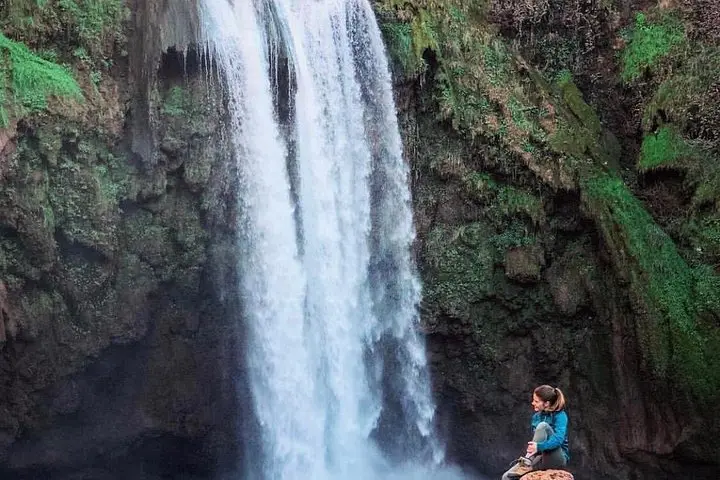
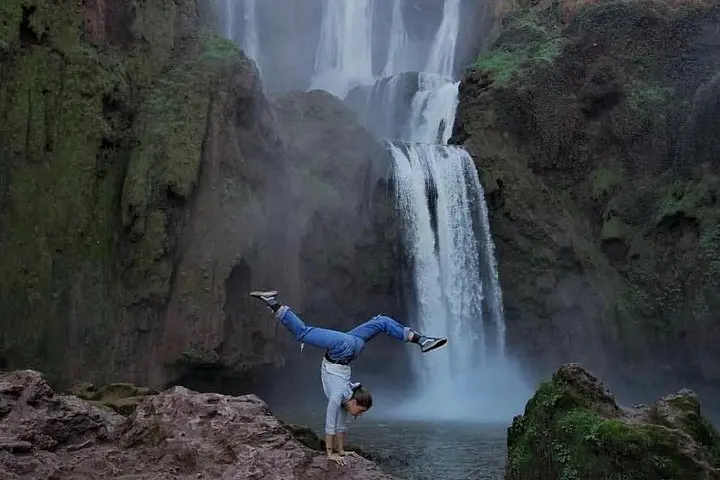
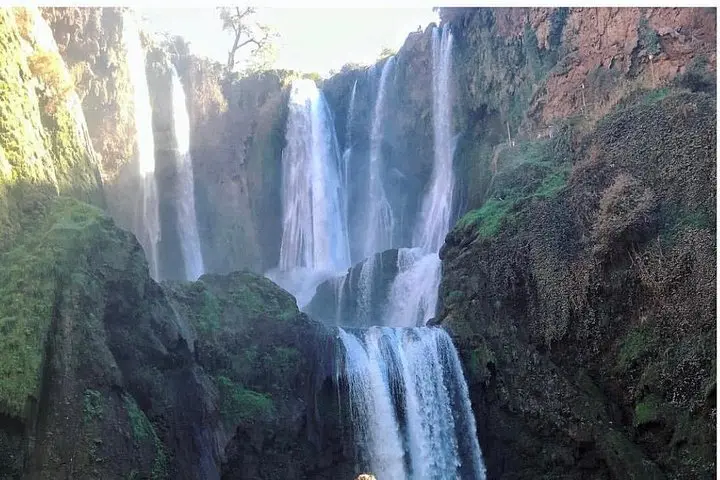
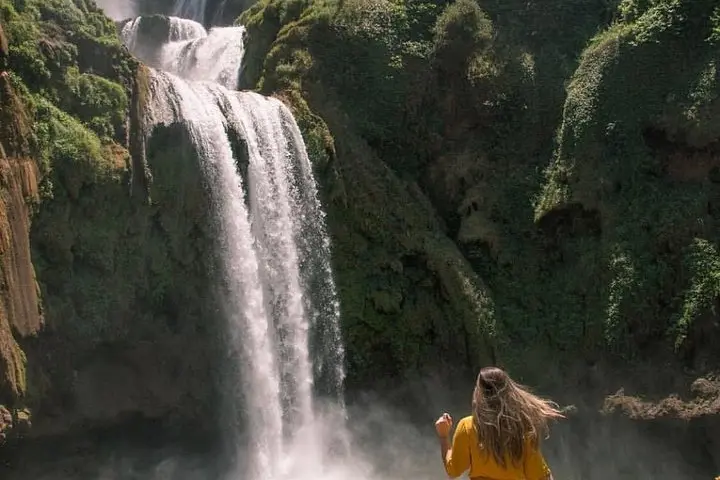
The road loosens Marrakech’s bustle and, after two hours of ochre hills and olive terraces, the roar of water arrives like a scheduled interruption. Ouzoud Falls drops in stepped curtains—roughly 110 meters of limestone and river—breaking into spray that fills the terraces and café terraces around the rim.
Verified experiences and guided adventures in the surrounding area.
Operated by Morocco Travelogue · Ouzoud, Azilal Province
The road loosens Marrakech’s bustle and, after two hours of ochre hills and olive terraces, the roar of water arrives like a scheduled interruption. Ouzoud Falls drops in stepped curtains—roughly 110 meters of limestone and river—breaking into spray that fills the terraces and café terraces around the rim.
Geology here is straightforward: soft marly limestone carved into tiers by the El-Abiod tributary, producing plunge pools and slippery shale ledges. Human history runs beside it—Berber hamlets, age-old olive groves and small cooperatives that press oil and weave rugs for the local market. The landscape carries a practical, lived-in quality: footpaths worn by villagers, stone walls, and simple viewpoints run by family cafes.
Visitors typically follow a ring trail that alternates between paved viewpoints and rocky descents to lower pools; expect uneven steps and occasional wet rock. Barbary macaques move with familiar boldness along the cliffs—keep a respectful distance and secure your gear. A short boat ride or walk to the base is possible in low water; swimming is common in summer but varies with season.
Practical guidance: plan 8–9 hours for a round-trip from Marrakech, start early to avoid midday heat and crowds, and bring layered clothing for misty viewpoints. Cash is accepted at small stalls and cooperatives; tipping is customary. Footwear with grip, sun protection, and a refillable water bottle will make the visit smoother. The site is family-friendly but not fully accessible—expect stairs and uneven trails.
Ouzoud is an elemental day trip: water that insists on motion, terraces that hold human work, and trails that lead you into the simple rhythms of rural Morocco.
The falls sit about 150–170 km northeast of Marrakech; expect roughly 2.5–3 hours each way by car depending on traffic and stops.
Swimming is common in the lower pools in warm months, but water levels vary—check conditions and swim cautiously near currents and rocks.
Yes—cafés and small restaurants operate at viewpoints and near the parking area, and the tour often includes a full lunch; carry cash for smaller purchases.
Children who can handle stairs will be fine, but the trails have uneven sections and many steps—strollers and wheelchairs are not practical on the main ring trail.
Morocco Travelogue operates guided outdoor trips and adventures with an emphasis on safety, stewardship, and memorable experiences.
The road loosens Marrakech’s bustle and, after two hours of ochre hills and olive terraces, the roar of water arrives like a scheduled interruption. Ouzoud Falls drops in stepped curtains—roughly 110 meters of limestone and river—breaking into spray that fills the terraces and café terraces around the rim.
The road loosens Marrakech’s bustle and, after two hours of ochre hills and olive terraces, the roar of water arrives like a scheduled interruption. Ouzoud Falls drops in stepped curtains—roughly 110 meters of limestone and river—breaking into spray that fills the terraces and café terraces around the rim.
Geology here is straightforward: soft marly limestone carved into tiers by the El-Abiod tributary, producing plunge pools and slippery shale ledges. Human history runs beside it—Berber hamlets, age-old olive groves and small cooperatives that press oil and weave rugs for the local market. The landscape carries a practical, lived-in quality: footpaths worn by villagers, stone walls, and simple viewpoints run by family cafes.
Visitors typically follow a ring trail that alternates between paved viewpoints and rocky descents to lower pools; expect uneven steps and occasional wet rock. Barbary macaques move with familiar boldness along the cliffs—keep a respectful distance and secure your gear. A short boat ride or walk to the base is possible in low water; swimming is common in summer but varies with season.
Practical guidance: plan 8–9 hours for a round-trip from Marrakech, start early to avoid midday heat and crowds, and bring layered clothing for misty viewpoints. Cash is accepted at small stalls and cooperatives; tipping is customary. Footwear with grip, sun protection, and a refillable water bottle will make the visit smoother. The site is family-friendly but not fully accessible—expect stairs and uneven trails.
Ouzoud is an elemental day trip: water that insists on motion, terraces that hold human work, and trails that lead you into the simple rhythms of rural Morocco.