THE ADVENTURE COLLECTIVE® · Independent discovery and booking for outdoor travel

Drive over the crest of the Smokies on a 5-hour scenic loop from Gatlinburg into Oconaluftee Valley. Stops include Newfound Gap overlooks, an 1886 grist mill and elk-viewing meadows near the Mountain Farm Museum.
Drive over the crest of the Smokies on a 5-hour scenic loop from Gatlinburg into Oconaluftee Valley. Stops include Newfound Gap overlooks, an 1886 grist mill and elk-viewing meadows near the Mountain Farm Museum.
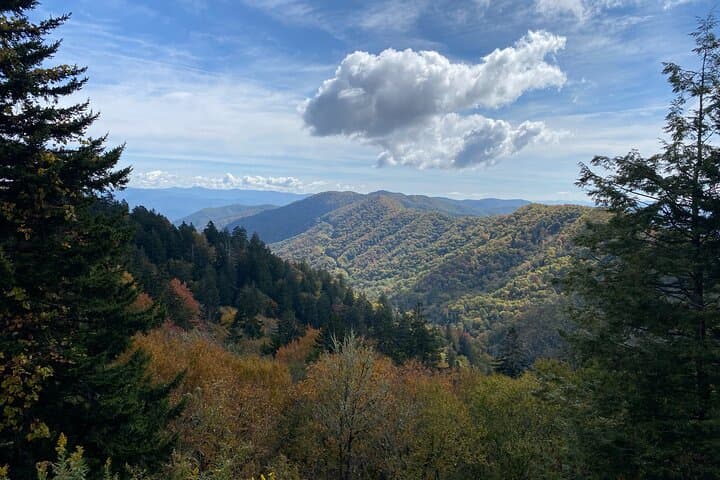
Mist clings to spruce and fir as the van climbs toward Newfound Gap, the road slicing through ridgelines with views that demand the window be cracked. You cross the crest of the Smokies from Tennessee into North Carolina on a ribbon of pavement that gains to more than 5,000 feet, each pullout offering a sharper, colder panorama.
Verified experiences and guided adventures in the surrounding area.
Operated by Smoky Mountain Guides · Cherokee, North Carolina
Mist clings to spruce and fir as the van climbs toward Newfound Gap, the road slicing through ridgelines with views that demand the window be cracked. You cross the crest of the Smokies from Tennessee into North Carolina on a ribbon of pavement that gains to more than 5,000 feet, each pullout offering a sharper, colder panorama.
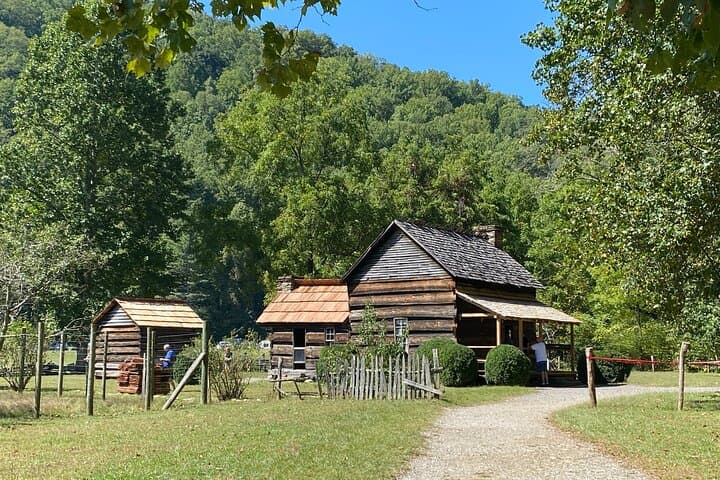
This five-hour loop follows the most scenic road in the Southeast — the 33-mile stretch across Newfound Gap — and stops in the Oconaluftee Valley where cultural layers are visible in log farmhouses, a working blacksmith shop and an 1886 grist mill. The valley sits on ancestral Cherokee lands; European-descended mountaineers left their mark in the field patterns and domestic buildings assembled at the Mountain Farm Museum. The park’s geology—ancient, eroded Appalachian rock—creates steep forested slopes and meadows that gather fog and sunlight differently by hour.
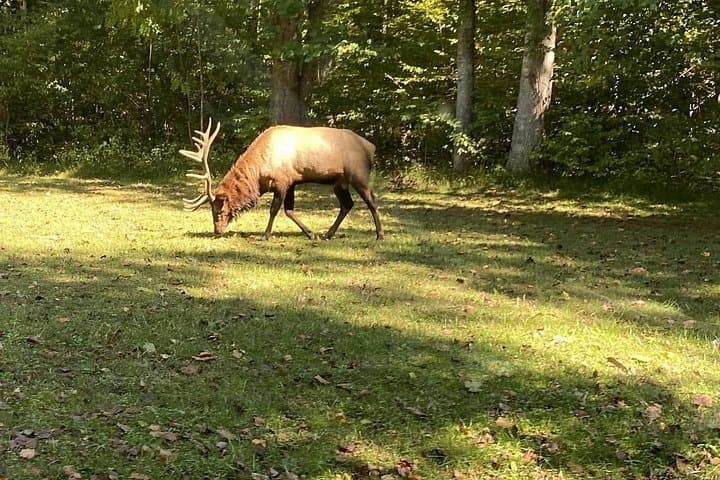
Expect short, interpretive stops: visitor center exhibits, historic buildings, several overlooks, and elk-watch points in meadow edges. Guides explain chestnut-era logging, the 20th-century shift to preservation, and the elk reintroduction (2001) that now draws photographers and wildlife viewers.
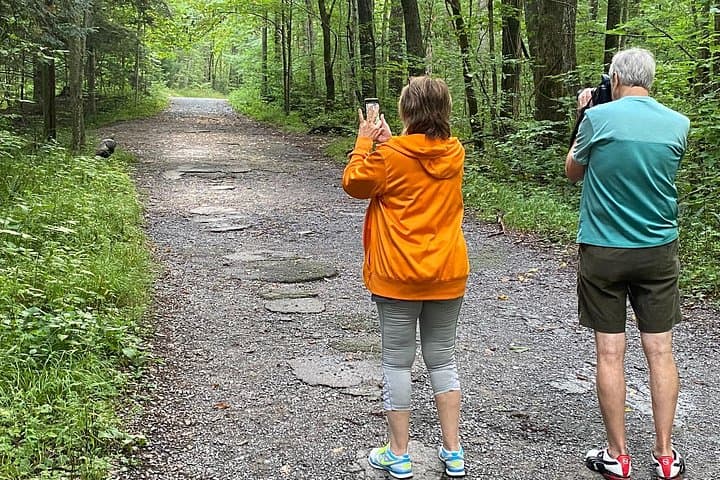
Practical edge: dress in layers; temperatures can drop rapidly above 5,000 ft. Bring binoculars for elk in fields and a charged camera. The route is mostly vehicle-based with light walking on uneven boardwalks and dirt; plan for a 5-hour outing with snacks and bottled water provided. Arrive early in spring/fall for the best light and wildlife activity.
The tour meets on Banner Road off Highway 441/321 just north of Gatlinburg and returns to the same meeting spot.
Elk are commonly seen in the Oconaluftee fields, particularly in early morning and late afternoon, but sightings are never guaranteed.
The tour is family-friendly, but infant/booster seats should be provided by the guest; some stops have uneven ground not ideal for strollers.
Tours may be canceled for bad weather; cancel at least 24 hours before departure for a full refund per the operator’s policy.
Smoky Mountain Guides operates guided outdoor trips and adventures with an emphasis on safety, stewardship, and memorable experiences.
Mist clings to spruce and fir as the van climbs toward Newfound Gap, the road slicing through ridgelines with views that demand the window be cracked. You cross the crest of the Smokies from Tennessee into North Carolina on a ribbon of pavement that gains to more than 5,000 feet, each pullout offering a sharper, colder panorama.
Mist clings to spruce and fir as the van climbs toward Newfound Gap, the road slicing through ridgelines with views that demand the window be cracked. You cross the crest of the Smokies from Tennessee into North Carolina on a ribbon of pavement that gains to more than 5,000 feet, each pullout offering a sharper, colder panorama.
This five-hour loop follows the most scenic road in the Southeast — the 33-mile stretch across Newfound Gap — and stops in the Oconaluftee Valley where cultural layers are visible in log farmhouses, a working blacksmith shop and an 1886 grist mill. The valley sits on ancestral Cherokee lands; European-descended mountaineers left their mark in the field patterns and domestic buildings assembled at the Mountain Farm Museum. The park’s geology—ancient, eroded Appalachian rock—creates steep forested slopes and meadows that gather fog and sunlight differently by hour.
Expect short, interpretive stops: visitor center exhibits, historic buildings, several overlooks, and elk-watch points in meadow edges. Guides explain chestnut-era logging, the 20th-century shift to preservation, and the elk reintroduction (2001) that now draws photographers and wildlife viewers.
Practical edge: dress in layers; temperatures can drop rapidly above 5,000 ft. Bring binoculars for elk in fields and a charged camera. The route is mostly vehicle-based with light walking on uneven boardwalks and dirt; plan for a 5-hour outing with snacks and bottled water provided. Arrive early in spring/fall for the best light and wildlife activity.