THE ADVENTURE COLLECTIVE® · Independent discovery and booking for outdoor travel

A seven-day overland traverse from Lhasa to Kathmandu via Everest Base Camp that mixes high-altitude panoramas with deep cultural stops in Gyantse and Shigatse. Expect long drives, thin air, mandatory permits and unforgettable views of the world’s highest peaks.
A seven-day overland traverse from Lhasa to Kathmandu via Everest Base Camp that mixes high-altitude panoramas with deep cultural stops in Gyantse and Shigatse. Expect long drives, thin air, mandatory permits and unforgettable views of the world’s highest peaks.
The bus eases out of Lhasa before dawn, diesel and prayer-flag wind scuffing the air as the Potala fades into a silhouette against the high Tibetan sky. For the next seven days the Sino–Nepal highway will dictate the rhythm: long hours on a well-driven van, sudden vistas of turquoise lakes, and the slow, inevitable thinning of the air as the route climbs toward Everest Base Camp (EBC). This is less a hike than a journey that forces you to pay attention — to the shape of valleys, to the steady cadence of yak bells, to how your own breath changes with altitude.
Verified experiences and guided adventures in the surrounding area.
Operated by Tibet Vista · Lhasa, Tibet Autonomous Region
The bus eases out of Lhasa before dawn, diesel and prayer-flag wind scuffing the air as the Potala fades into a silhouette against the high Tibetan sky. For the next seven days the Sino–Nepal highway will dictate the rhythm: long hours on a well-driven van, sudden vistas of turquoise lakes, and the slow, inevitable thinning of the air as the route climbs toward Everest Base Camp (EBC). This is less a hike than a journey that forces you to pay attention — to the shape of valleys, to the steady cadence of yak bells, to how your own breath changes with altitude.
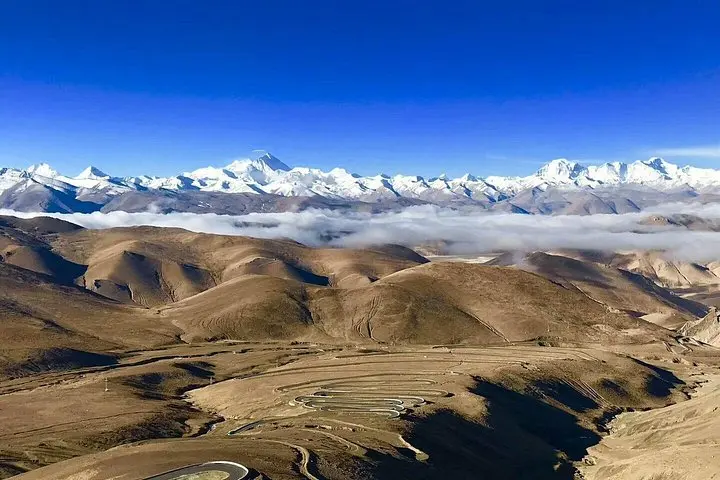
Lhasa itself is a living history lesson: the Potala Palace and Jokhang Temple anchor Tibetan spiritual life, their stone and gilding reflecting centuries of Buddhist devotion and political power. Leaving the city, the landscape rewrites itself — plains to salt lakes to jagged, glaciated passes. Yamdrok-tso, at about 4,400 m, glares turquoise from the plateau and seems to dare travelers to look away. Karola Glacier and the sweeping views from Gampala Pass recall the tectonic violence that raised the Himalaya: strata pushed skyward, folding into the peaks you’ll recognize on postcards.
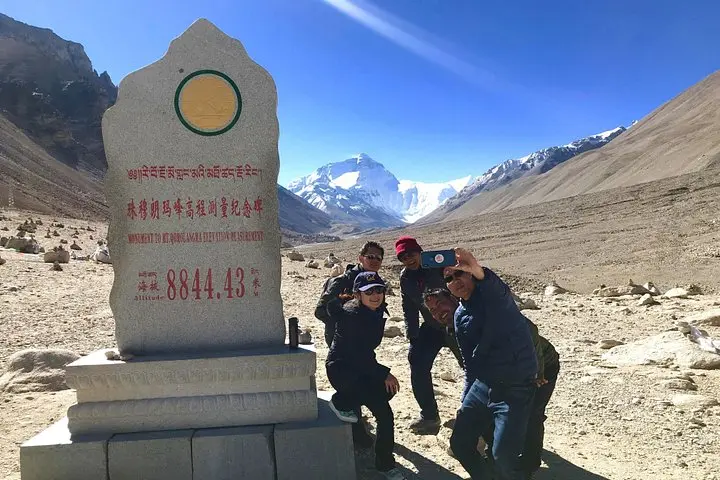
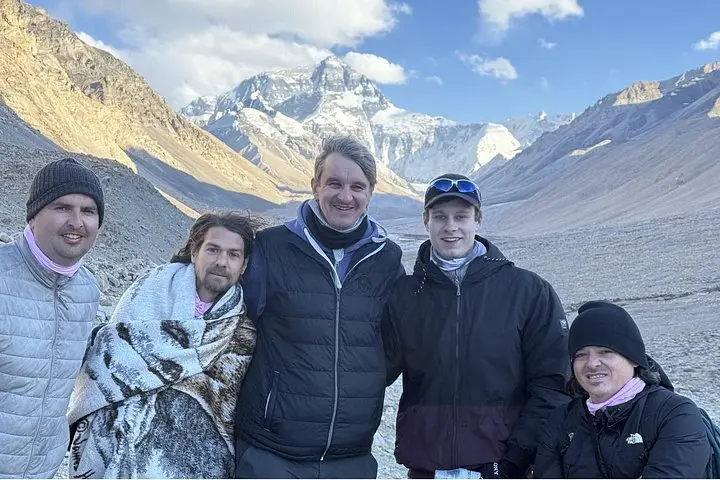
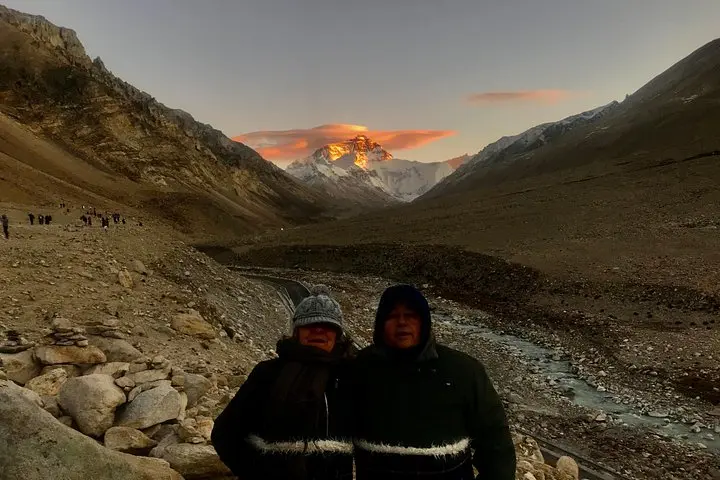
Culturally the tour slips between urban pilgrimage and rural routine. In Gyantse and Shigatse, monasteries like Pelkor and Tashilhunpo offer ritual and architecture, while roadside villages reveal domestic life at high altitude: prayer wheels turning, butter tea steaming, communal courtyards where elders share jokes in Tibetan. At Rongbuk and the EBC zone the human scale recalibrates; the mountain imposes a kind of quiet respect.
Practical reality shapes the trip. The itinerary reaches highs of roughly 5,200 m at EBC and crosses passes above 4,700–5,200 m, so acclimatization is the single most important factor. The operator includes oxygen in the vehicle, and group size is capped around 12 — large enough to feel social, small enough for logistics. Permits are non-negotiable: book at least 20 days ahead, provide passport and Chinese L visa copies, and expect local processing time. Accommodation alternates between 3-star hotels, simple guesthouses and dorm-style lodging near EBC; packing layers is essential.
If you go: move slowly the first 48 hours in Lhasa, keep hydrated and avoid alcohol, carry hard copies of your Tibet Travel Permit, and budget for small, on-route purchases (cash is preferred in remote stretches). The road between EBC and the Kyirong/Gyirong border opens a corridor into Nepal — a final descent where forests and waterfalls remind you that this plateau is also a watershed feeding south.
This overland route is not a race to the summit; it’s a measured climb through geography and history, a chance to see Everest from the Tibetan side while learning how people live where the world is highest.
Book at least 20 days in advance so the operator can obtain your Tibet Travel Permit; you’ll need to provide passport and Chinese L visa copies.
Yes—if you enter Tibet from within China you must have a Chinese L visa; if arriving from Kathmandu different visa/permit rules apply, so confirm with the supplier.
Effects vary; the itinerary includes gradual climbs and oxygen in the vehicle, but you should acclimatize, hydrate, rest, and notify guides if symptoms appear.
Accommodations range from 3-star hotels in Lhasa and Shigatse to simple guesthouses or dorms near EBC; breakfasts are included, but bring snacks for long drives.
Yes—the tour assists with exiting China at Gyirong; there’s an optional jeep transfer to Kathmandu (additional cost around US$60).
This tour is not recommended for pregnant travelers or those with serious cardiovascular conditions due to high-altitude exposure.
Tibet Vista operates guided outdoor trips and adventures with an emphasis on safety, stewardship, and memorable experiences.
The bus eases out of Lhasa before dawn, diesel and prayer-flag wind scuffing the air as the Potala fades into a silhouette against the high Tibetan sky. For the next seven days the Sino–Nepal highway will dictate the rhythm: long hours on a well-driven van, sudden vistas of turquoise lakes, and the slow, inevitable thinning of the air as the route climbs toward Everest Base Camp (EBC). This is less a hike than a journey that forces you to pay attention — to the shape of valleys, to the steady cadence of yak bells, to how your own breath changes with altitude.
The bus eases out of Lhasa before dawn, diesel and prayer-flag wind scuffing the air as the Potala fades into a silhouette against the high Tibetan sky. For the next seven days the Sino–Nepal highway will dictate the rhythm: long hours on a well-driven van, sudden vistas of turquoise lakes, and the slow, inevitable thinning of the air as the route climbs toward Everest Base Camp (EBC). This is less a hike than a journey that forces you to pay attention — to the shape of valleys, to the steady cadence of yak bells, to how your own breath changes with altitude.
Lhasa itself is a living history lesson: the Potala Palace and Jokhang Temple anchor Tibetan spiritual life, their stone and gilding reflecting centuries of Buddhist devotion and political power. Leaving the city, the landscape rewrites itself — plains to salt lakes to jagged, glaciated passes. Yamdrok-tso, at about 4,400 m, glares turquoise from the plateau and seems to dare travelers to look away. Karola Glacier and the sweeping views from Gampala Pass recall the tectonic violence that raised the Himalaya: strata pushed skyward, folding into the peaks you’ll recognize on postcards.
Culturally the tour slips between urban pilgrimage and rural routine. In Gyantse and Shigatse, monasteries like Pelkor and Tashilhunpo offer ritual and architecture, while roadside villages reveal domestic life at high altitude: prayer wheels turning, butter tea steaming, communal courtyards where elders share jokes in Tibetan. At Rongbuk and the EBC zone the human scale recalibrates; the mountain imposes a kind of quiet respect.
Practical reality shapes the trip. The itinerary reaches highs of roughly 5,200 m at EBC and crosses passes above 4,700–5,200 m, so acclimatization is the single most important factor. The operator includes oxygen in the vehicle, and group size is capped around 12 — large enough to feel social, small enough for logistics. Permits are non-negotiable: book at least 20 days ahead, provide passport and Chinese L visa copies, and expect local processing time. Accommodation alternates between 3-star hotels, simple guesthouses and dorm-style lodging near EBC; packing layers is essential.
If you go: move slowly the first 48 hours in Lhasa, keep hydrated and avoid alcohol, carry hard copies of your Tibet Travel Permit, and budget for small, on-route purchases (cash is preferred in remote stretches). The road between EBC and the Kyirong/Gyirong border opens a corridor into Nepal — a final descent where forests and waterfalls remind you that this plateau is also a watershed feeding south.
This overland route is not a race to the summit; it’s a measured climb through geography and history, a chance to see Everest from the Tibetan side while learning how people live where the world is highest.