THE ADVENTURE COLLECTIVE® · Independent discovery and booking for outdoor travel

A fast-paced overnight from Marsa Alam to Aswan and Abu Simbel that pairs engineered landscape with rock-cut temples. Expect long drives, early starts, and intimate guided visits to two of Egypt’s most dramatic sites.
A fast-paced overnight from Marsa Alam to Aswan and Abu Simbel that pairs engineered landscape with rock-cut temples. Expect long drives, early starts, and intimate guided visits to two of Egypt’s most dramatic sites.
You wake before dawn as headlights etch the desert; the highway out of Marsa Alam is a ribbon of cool air and distant palms while the sky lightens toward Aswan. The itinerary moves from the engineered sweep of the Aswan High Dam to the rock-hewn majesty of Abu Simbel, rooms and statues that fix sunlight like a score of history.
Verified experiences and guided adventures in the surrounding area.
Operated by Book My Egypt Tours · Aswan, Aswan Governorate
You wake before dawn as headlights etch the desert; the highway out of Marsa Alam is a ribbon of cool air and distant palms while the sky lightens toward Aswan. The itinerary moves from the engineered sweep of the Aswan High Dam to the rock-hewn majesty of Abu Simbel, rooms and statues that fix sunlight like a score of history.
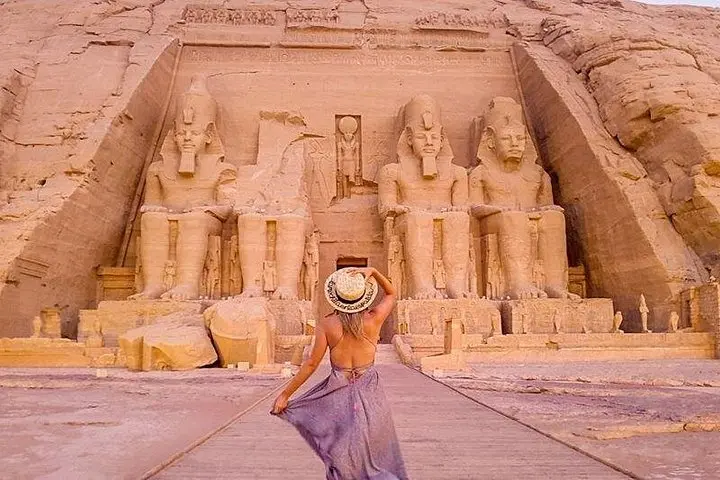
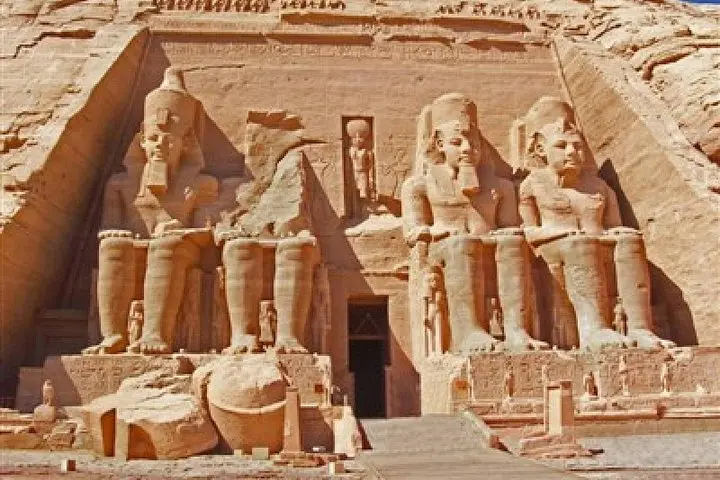
Aswan sits where the Nile widens and slows — a city shaped by river engineering and millennia of trade. The High Dam (completed 1970) and nearby Philae Temple tell a modern-and-ancient story: water management reshaped the landscape, and archaeology rescued monuments threatened by rising reservoirs. Abu Simbel, carved under Ramses II and moved stone-by-stone in the 1960s, is both feat and stage — colossal faces gazing over sandy plains.
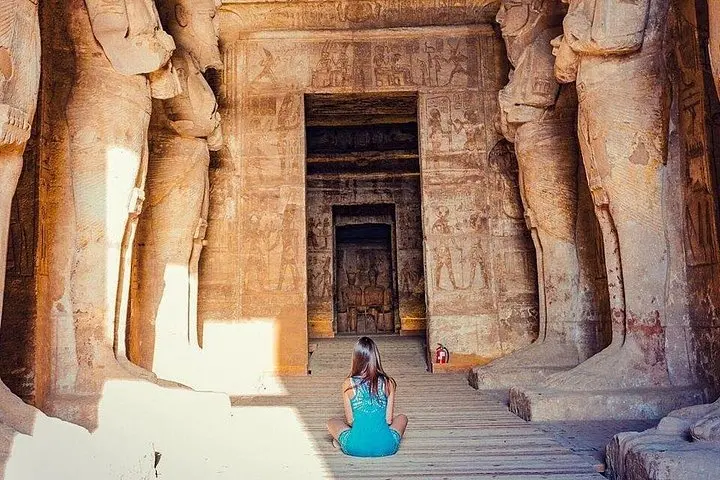
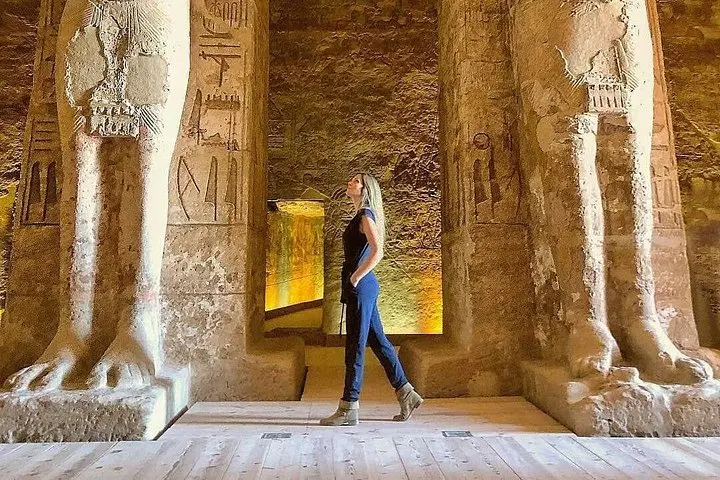
Expect short, informative guided walks, shaded courtyards, and close viewing of bas-reliefs that speak in hieroglyphic line. The road time is long; travel is the necessary chord between sites and the desert itself seems to press you forward, cool in the early hours and relentless by midday.
Practical guidance: travel with layered sun protection, carry plenty of water, and be ready for a very early pickup for Abu Simbel. Passport and tickets are inspected at multiple points; keep them accessible. Allow time to acclimate to heat and culturally respectful clothing when entering temple precincts. With straightforward planning, this overnight route delivers two days of concentrated Egyptian antiquity and the slow, authoritative movement of the Nile.
Expect roughly 4–5 hours by private A/C vehicle depending on traffic and stops along the way.
Yes; the site is open year-round but visits are best scheduled early to avoid midday heat and busier afternoons.
This private tour includes entrance fees and a local guide at Abu Simbel; confirm specifics at booking and carry your voucher and passport copy.
Short walks are involved but the itinerary includes long vehicle transfers; not recommended for those with serious spinal, heart, or pregnancy restrictions per provider notes.
Book My Egypt Tours operates guided outdoor trips and adventures with an emphasis on safety, stewardship, and memorable experiences.
You wake before dawn as headlights etch the desert; the highway out of Marsa Alam is a ribbon of cool air and distant palms while the sky lightens toward Aswan. The itinerary moves from the engineered sweep of the Aswan High Dam to the rock-hewn majesty of Abu Simbel, rooms and statues that fix sunlight like a score of history.
You wake before dawn as headlights etch the desert; the highway out of Marsa Alam is a ribbon of cool air and distant palms while the sky lightens toward Aswan. The itinerary moves from the engineered sweep of the Aswan High Dam to the rock-hewn majesty of Abu Simbel, rooms and statues that fix sunlight like a score of history.
Aswan sits where the Nile widens and slows — a city shaped by river engineering and millennia of trade. The High Dam (completed 1970) and nearby Philae Temple tell a modern-and-ancient story: water management reshaped the landscape, and archaeology rescued monuments threatened by rising reservoirs. Abu Simbel, carved under Ramses II and moved stone-by-stone in the 1960s, is both feat and stage — colossal faces gazing over sandy plains.
Expect short, informative guided walks, shaded courtyards, and close viewing of bas-reliefs that speak in hieroglyphic line. The road time is long; travel is the necessary chord between sites and the desert itself seems to press you forward, cool in the early hours and relentless by midday.
Practical guidance: travel with layered sun protection, carry plenty of water, and be ready for a very early pickup for Abu Simbel. Passport and tickets are inspected at multiple points; keep them accessible. Allow time to acclimate to heat and culturally respectful clothing when entering temple precincts. With straightforward planning, this overnight route delivers two days of concentrated Egyptian antiquity and the slow, authoritative movement of the Nile.