THE ADVENTURE COLLECTIVE® · Independent discovery and booking for outdoor travel

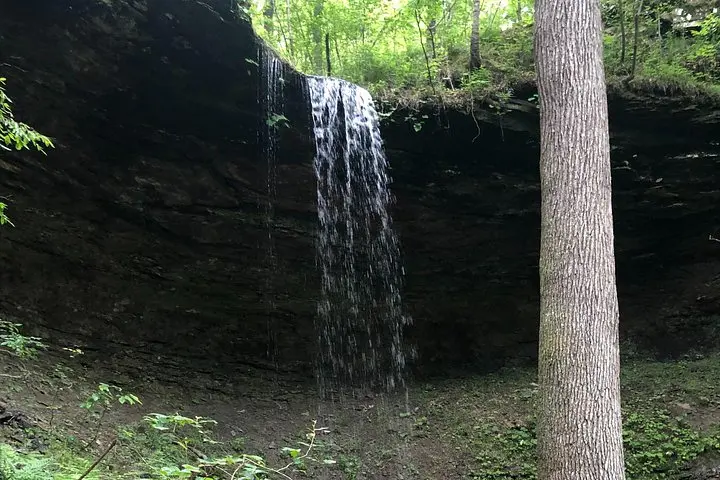
Spend two days backpacking from Shores Lake to the thundering White Rock Creek Falls in the Ozark National Forest. This beginner-friendly trip combines basic backcountry skills with scenic creekside camping and a manageable 4-mile approach.
Spend two days backpacking from Shores Lake to the thundering White Rock Creek Falls in the Ozark National Forest. This beginner-friendly trip combines basic backcountry skills with scenic creekside camping and a manageable 4-mile approach.
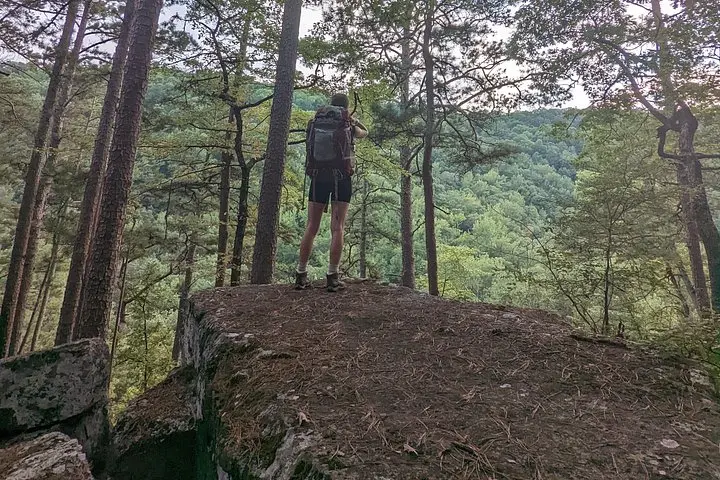
A cool, moss-slick boulder greets you at the creek and the fall’s voice grows louder as you push through a tunnel of oaks and hickory. Daylight slices through the canopy in thin ribbons, and the trail narrows into singletrack that feels less like a route and more like a conversation with the forest.
Verified experiences and guided adventures in the surrounding area.
Operated by Bigfoot Adventures · Russellville, Arkansas
A cool, moss-slick boulder greets you at the creek and the fall’s voice grows louder as you push through a tunnel of oaks and hickory. Daylight slices through the canopy in thin ribbons, and the trail narrows into singletrack that feels less like a route and more like a conversation with the forest.
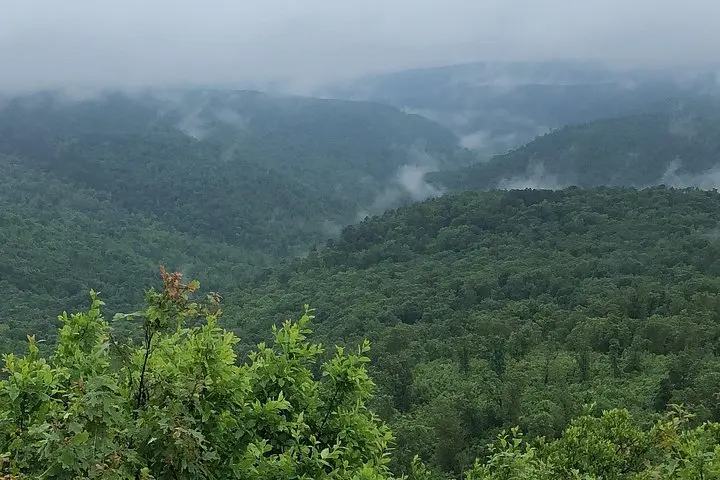
This two-day beginner backpacking itinerary follows White Rock Creek from Shores Lake into a pocket of the Ozark National Forest shaped by Pennsylvanian sandstone and intermittent springs. The falls themselves are a product of resistant caprock over softer shale—water carving a route, then pausing to tumble. The region bears layers of history: homesteaders and early loggers left sparse clearings, while Civilian Conservation Corps work in the 1930s established many of the access routes you’ll use.
Local culture is small-town Ozarks: slow-paced, practical, and generous with trail tips. Expect informal trail stewardship from volunteer groups and occasional cattle grazed on private in-holdings near some forest edges.
Practical guidance: the route is roughly 4 miles one way with modest elevation changes—rocky and rooty underfoot rather than steep. Campsites are in designated clearings near the creek; plan to filter water, pack a stove for cooking, and store food away from wildlife. Spring and fall bring the most comfortable hiking temps and mosquitos in low, damp pockets; summer is hotter and winter can drop below freezing at night. Leave No Trace, test your gear before departure, and allow time to practice tent setup and map navigation at the trailhead before setting off.
No special federal permit is typically required inside Ozark National Forest for small-group dispersed camping, but check local regulations and any seasonal restrictions before you go.
The out-and-back is about 4 miles one way with moderate elevation change; it’s suitable for beginners who have done day hikes and can carry an overnight pack.
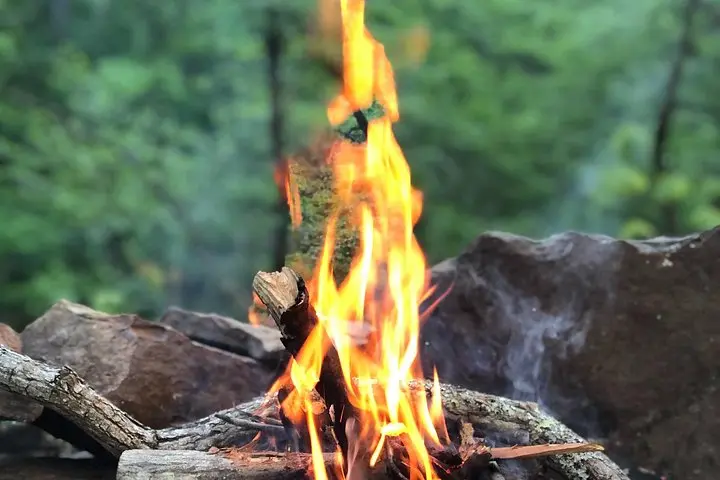
Guides cook group dinner and breakfast together using a camp stove or campfire when allowed; bring your own snacks and any specialty foods.
Expect deer and turkey; black bears are present in the region but encounters are uncommon—store food properly and follow guide instructions.
Bigfoot Adventures operates guided outdoor trips and adventures with an emphasis on safety, stewardship, and memorable experiences.
A cool, moss-slick boulder greets you at the creek and the fall’s voice grows louder as you push through a tunnel of oaks and hickory. Daylight slices through the canopy in thin ribbons, and the trail narrows into singletrack that feels less like a route and more like a conversation with the forest.
A cool, moss-slick boulder greets you at the creek and the fall’s voice grows louder as you push through a tunnel of oaks and hickory. Daylight slices through the canopy in thin ribbons, and the trail narrows into singletrack that feels less like a route and more like a conversation with the forest.
This two-day beginner backpacking itinerary follows White Rock Creek from Shores Lake into a pocket of the Ozark National Forest shaped by Pennsylvanian sandstone and intermittent springs. The falls themselves are a product of resistant caprock over softer shale—water carving a route, then pausing to tumble. The region bears layers of history: homesteaders and early loggers left sparse clearings, while Civilian Conservation Corps work in the 1930s established many of the access routes you’ll use.
Local culture is small-town Ozarks: slow-paced, practical, and generous with trail tips. Expect informal trail stewardship from volunteer groups and occasional cattle grazed on private in-holdings near some forest edges.
Practical guidance: the route is roughly 4 miles one way with modest elevation changes—rocky and rooty underfoot rather than steep. Campsites are in designated clearings near the creek; plan to filter water, pack a stove for cooking, and store food away from wildlife. Spring and fall bring the most comfortable hiking temps and mosquitos in low, damp pockets; summer is hotter and winter can drop below freezing at night. Leave No Trace, test your gear before departure, and allow time to practice tent setup and map navigation at the trailhead before setting off.