THE ADVENTURE COLLECTIVE® · Independent discovery and booking for outdoor travel

Two days of budget camping and game drives put you on the Mara’s grasslands during prime wildlife hours. Expect open-roof 4x4 viewing, a night at a simple eco-camp, and high chances of seeing the Big Five and migration herds.
Two days of budget camping and game drives put you on the Mara’s grasslands during prime wildlife hours. Expect open-roof 4x4 viewing, a night at a simple eco-camp, and high chances of seeing the Big Five and migration herds.
You arrive before dawn on a bumpy stretch of road and the Rift Valley opens like a wide, wind-pressed plain. Acacia silhouettes lean into the light as the safari vehicle eases toward the Mara’s western escarpment; breath condenses, cameras click, and the grassland already hums with life.
Verified experiences and guided adventures in the surrounding area.
Operated by African Beast tours and safaris · Narok, Narok County
You arrive before dawn on a bumpy stretch of road and the Rift Valley opens like a wide, wind-pressed plain. Acacia silhouettes lean into the light as the safari vehicle eases toward the Mara’s western escarpment; breath condenses, cameras click, and the grassland already hums with life.
The Maasai Mara sits on the floor of the Great Rift Valley, a landscape carved by tectonic forces and shaped by seasonal floods that feed the Mara River. It’s a place defined by movement — migrating wildebeest and their predators have followed these grasslines for millennia — and by the Maasai people whose semi-nomadic culture and pastoralism have long influenced land use. Keekorok and neighboring camps grew up as gateways for game drives, and small conservancies on the reserve’s edge now offer quieter wildlife encounters and community-led cultural visits.
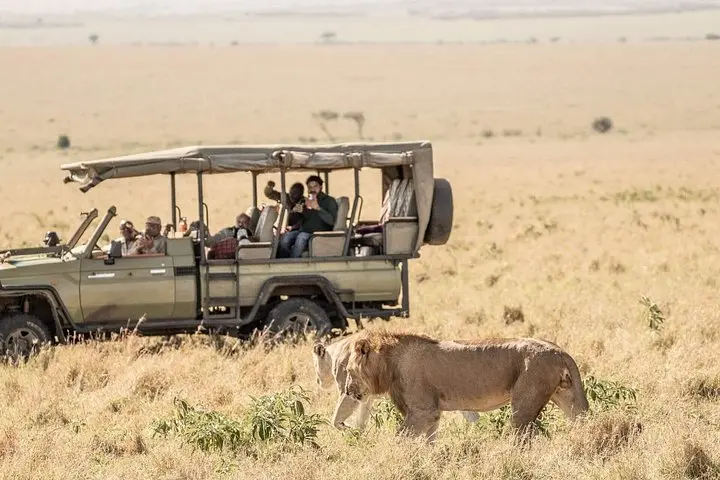
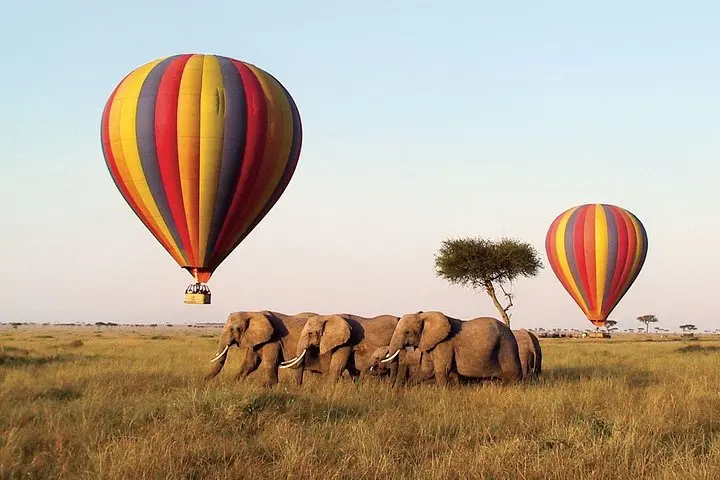
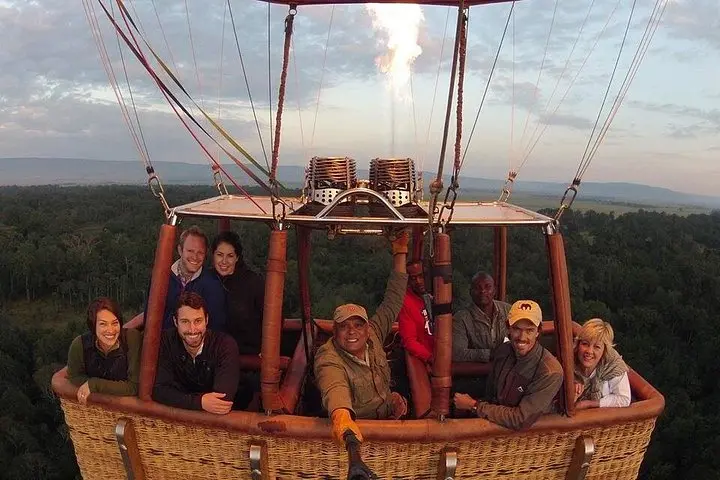
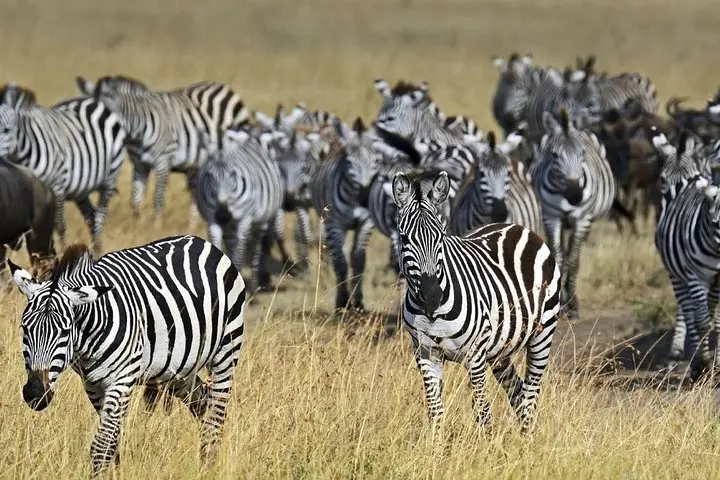
Expect long hours in an open-roofed 4x4, game drives at sunrise and late afternoon, and a simple campsite for the night with communal dinner and bottled water included. Wildlife viewing focuses on big cat sightings, large herbivore herds, and river crossings during migration season (July–November). Wear layers against cool mornings, carry binoculars, and secure gear from dust. Stay patient and quiet at sightings; animals set the tempo. If you opt for a balloon ride or village visit, budget extra time and cash. The route back toward Nairobi travels through changing landscapes — from grassland to cultivated highlands — giving a final sense of why the Mara remains one of East Africa’s most accessible wild places.
Sightings can’t be guaranteed, but the Mara has high concentrations of lions, elephants, buffalo, leopards and rhinos; two days gives good chances, especially with morning and afternoon drives.
This is budget camping: expect shared facilities or simple ablutions, a communal dinner, and one night in camp rather than a luxury tented lodge.
Yellow fever vaccination may be required depending on origin; antimalarial medication and standard travel vaccines are recommended — consult a travel clinician before departure.
Yes — balloon safaris and cultural tours are usually optional extras charged separately; reserve early as balloons require calm weather and slots fill fast.
African Beast tours and safaris operates guided outdoor trips and adventures with an emphasis on safety, stewardship, and memorable experiences.
You arrive before dawn on a bumpy stretch of road and the Rift Valley opens like a wide, wind-pressed plain. Acacia silhouettes lean into the light as the safari vehicle eases toward the Mara’s western escarpment; breath condenses, cameras click, and the grassland already hums with life.
You arrive before dawn on a bumpy stretch of road and the Rift Valley opens like a wide, wind-pressed plain. Acacia silhouettes lean into the light as the safari vehicle eases toward the Mara’s western escarpment; breath condenses, cameras click, and the grassland already hums with life.
The Maasai Mara sits on the floor of the Great Rift Valley, a landscape carved by tectonic forces and shaped by seasonal floods that feed the Mara River. It’s a place defined by movement — migrating wildebeest and their predators have followed these grasslines for millennia — and by the Maasai people whose semi-nomadic culture and pastoralism have long influenced land use. Keekorok and neighboring camps grew up as gateways for game drives, and small conservancies on the reserve’s edge now offer quieter wildlife encounters and community-led cultural visits.
Expect long hours in an open-roofed 4x4, game drives at sunrise and late afternoon, and a simple campsite for the night with communal dinner and bottled water included. Wildlife viewing focuses on big cat sightings, large herbivore herds, and river crossings during migration season (July–November). Wear layers against cool mornings, carry binoculars, and secure gear from dust. Stay patient and quiet at sightings; animals set the tempo. If you opt for a balloon ride or village visit, budget extra time and cash. The route back toward Nairobi travels through changing landscapes — from grassland to cultivated highlands — giving a final sense of why the Mara remains one of East Africa’s most accessible wild places.