THE ADVENTURE COLLECTIVE® · Independent discovery and booking for outdoor travel

Ride camels into the Erg Chebbi for a sunset over towering dunes, spend a night in a private nomadic tent, and wake early for a sunrise that redefines scale. This overnight trek blends simple camping comforts with cultural music and sandboarding on the Sahara’s eastern reaches.
Ride camels into the Erg Chebbi for a sunset over towering dunes, spend a night in a private nomadic tent, and wake early for a sunrise that redefines scale. This overnight trek blends simple camping comforts with cultural music and sandboarding on the Sahara’s eastern reaches.
Late afternoon light pours across the Erg Chebbi ridges, turning sands into a rolling river of gold as camels pick their steady rhythm toward a desert bivouac.
Verified experiences and guided adventures in the surrounding area.
Operated by Morocco Sahara Desert Tours · Merzouga, Drâa-Tafilalet
Late afternoon light pours across the Erg Chebbi ridges, turning sands into a rolling river of gold as camels pick their steady rhythm toward a desert bivouac.
Visitors arrive by camel for a single-night crossing that times sunset and sunrise from dune crests — the dunes seem to breathe, shifting light and shadow with every step. The area around Merzouga sits on the eastern edge of the Sahara where wind-sculpted dunes rise from gravel plains; these dunes are geologically young, shaped by northwesterly winds carrying sand from the Atlantic margins.
Locally, the desert is lived in and read like a map by Berber families who have guided caravans and preserved gnawa music traditions for generations. Khamlia, a small nearby hamlet, carries that musical heritage — percussion and song that draw on Saharan routes and sub-Saharan connections.
Practically, the trek is an accessible overnight: a camel ride of 1–2 hours across soft sand to reach the private tented camp, followed by sandboarding opportunities on gentler slopes and a guided dawn climb for sunrise.
Expect a simple nomadic-style tent with dinner and breakfast included, communal drum music after dark, and cold desert nights that demand warm layers. Hydration and sun protection are essential during the day; at night, the desert’s silence sharpens, and stars dominate the sky.
Plan for moderate fitness for mounting camels and short dune hikes, leave no trace on fragile dune surfaces, and treat local customs with respect — a night in Merzouga is as much cultural exchange as it is an outdoor experience.
Camel riding is generally gentle; camels rise and sit slowly which can feel awkward but not dangerous—handlers assist mounting and dismounting.
Guests sleep in insulated nomadic-style tents on mattresses with blankets provided; facilities are basic but private, with dinner and breakfast included.
Yes—the tour uses gentler slopes ideal for first-timers; instructors usually demonstrate basic stance and a simple slide technique.
Yes—vegetarian options are typically available if requested at booking; inform the operator ahead of time to ensure accommodations.
Morocco Sahara Desert Tours operates guided outdoor trips and adventures with an emphasis on safety, stewardship, and memorable experiences.
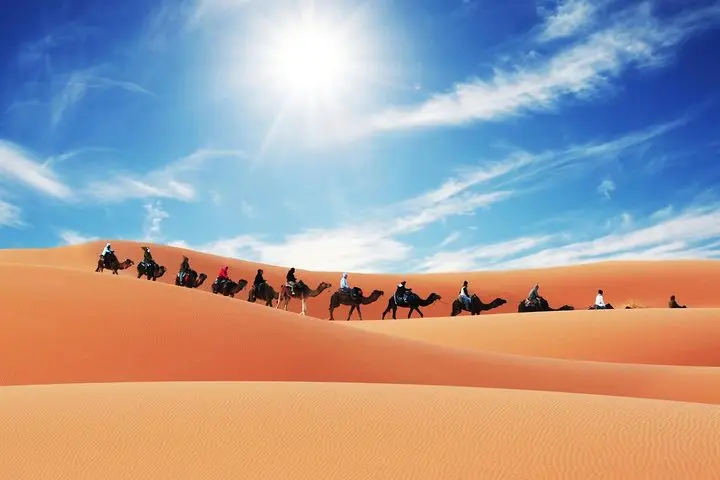
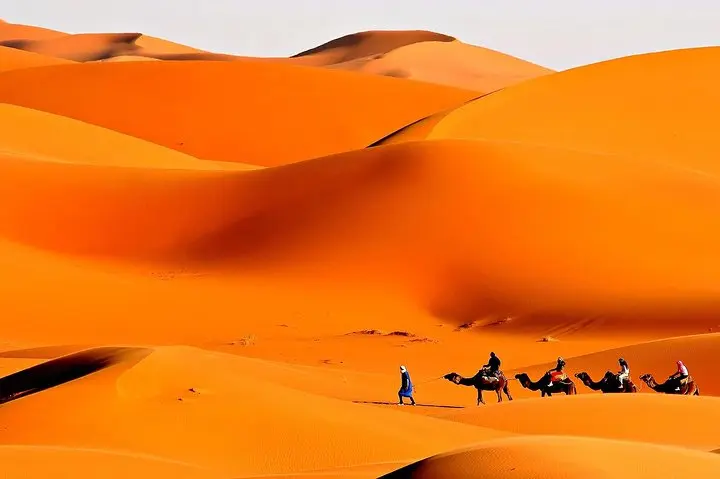
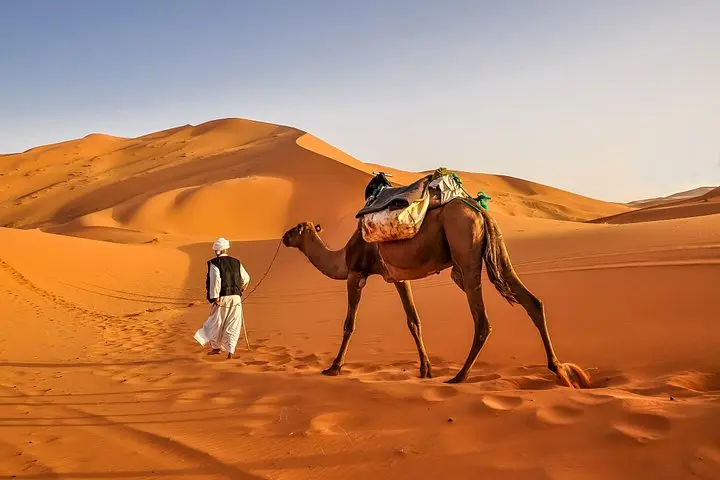
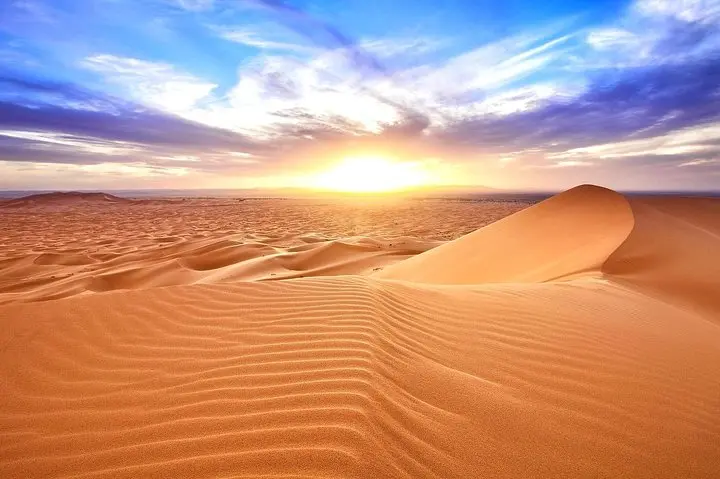
Late afternoon light pours across the Erg Chebbi ridges, turning sands into a rolling river of gold as camels pick their steady rhythm toward a desert bivouac.
Late afternoon light pours across the Erg Chebbi ridges, turning sands into a rolling river of gold as camels pick their steady rhythm toward a desert bivouac.
Visitors arrive by camel for a single-night crossing that times sunset and sunrise from dune crests — the dunes seem to breathe, shifting light and shadow with every step. The area around Merzouga sits on the eastern edge of the Sahara where wind-sculpted dunes rise from gravel plains; these dunes are geologically young, shaped by northwesterly winds carrying sand from the Atlantic margins.
Locally, the desert is lived in and read like a map by Berber families who have guided caravans and preserved gnawa music traditions for generations. Khamlia, a small nearby hamlet, carries that musical heritage — percussion and song that draw on Saharan routes and sub-Saharan connections.
Practically, the trek is an accessible overnight: a camel ride of 1–2 hours across soft sand to reach the private tented camp, followed by sandboarding opportunities on gentler slopes and a guided dawn climb for sunrise.
Expect a simple nomadic-style tent with dinner and breakfast included, communal drum music after dark, and cold desert nights that demand warm layers. Hydration and sun protection are essential during the day; at night, the desert’s silence sharpens, and stars dominate the sky.
Plan for moderate fitness for mounting camels and short dune hikes, leave no trace on fragile dune surfaces, and treat local customs with respect — a night in Merzouga is as much cultural exchange as it is an outdoor experience.