THE ADVENTURE COLLECTIVE® · Independent discovery and booking for outdoor travel

Spend a night on Jebel Shams and watch sunrise flood Oman’s dramatic canyon. This private overnight tour mixes short rim walks, desert camping, and visits to Nizwa, Al Hamra and historic forts.
Spend a night on Jebel Shams and watch sunrise flood Oman’s dramatic canyon. This private overnight tour mixes short rim walks, desert camping, and visits to Nizwa, Al Hamra and historic forts.
The rim of Jebel Shams opens like a raw, high-altitude theater: wind carving a sharp lip into the Western Hajar while the canyon drops away in layered limestone and shadow. At dusk, the mountain cools fast and stars assert themselves; at dawn, the sun spills into Wadi Ghul and the canyon’s cliffs glow orange and ochre.
Verified experiences and guided adventures in the surrounding area.
Operated by Star Tours · Jebel Shams, Ad Dakhiliyah Governorate
The rim of Jebel Shams opens like a raw, high-altitude theater: wind carving a sharp lip into the Western Hajar while the canyon drops away in layered limestone and shadow. At dusk, the mountain cools fast and stars assert themselves; at dawn, the sun spills into Wadi Ghul and the canyon’s cliffs glow orange and ochre.
This two-day trip threads natural history with Omani culture. Geologically the Jebel Shams massif is part of the uplifted Hajar range — folded, fractured limestone and sandstone shaped by millions of years of uplift and episodic erosion. Culturally, the route links Nizwa’s souk and fort, the ancient mud-brick houses of Al Hamra, and the stone-built villages like Misfat al Abryeen, places where tribal history and the Yaruba-era forts (Bahla, Jabrin) mark the landscape.
Expect a comfortable, private overnight camp in a standard tent with dinner and breakfast provided and 4WD transport from Muscat or Nizwa. Nights are cold at nearly 3,000 meters elevation; mornings reward early risers with panoramic canyon views and short rim walks rather than technical climbs. Trails around the rim are rocky and uneven; some scenic lookouts require only a 10–30 minute walk. Guides handle logistics and local context, including safe driving on unpaved mountain tracks.
Practical planning: pack layered insulation for frost-prone nights, sun protection and at least 2–3 liters of water, sturdy shoes for loose scree, and a headlamp. Aim for sunrise at the main viewpoints — light changes fast — and follow leave-no-trace practices on fragile alpine soils.
Yes — the tour includes 4WD transport with pick up and drop off anywhere in the Muscat area; full pickup details are requested at booking.
Hikes are short, non-technical rim walks on rocky trails; no technical climbing skills are required but good footwear is recommended.
Accommodation is in standard overnight tents with dinner and breakfast provided; this is a private tour so campsites are reserved for your group.
The provider lists the tour as accessible and suitable for most fitness levels, but mountain terrain is uneven—discuss specific mobility needs with the operator in advance.
Star Tours operates guided outdoor trips and adventures with an emphasis on safety, stewardship, and memorable experiences.
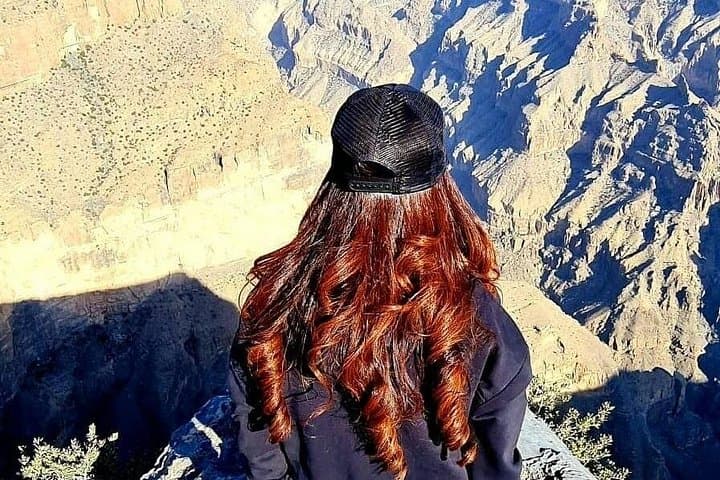


The rim of Jebel Shams opens like a raw, high-altitude theater: wind carving a sharp lip into the Western Hajar while the canyon drops away in layered limestone and shadow. At dusk, the mountain cools fast and stars assert themselves; at dawn, the sun spills into Wadi Ghul and the canyon’s cliffs glow orange and ochre.
The rim of Jebel Shams opens like a raw, high-altitude theater: wind carving a sharp lip into the Western Hajar while the canyon drops away in layered limestone and shadow. At dusk, the mountain cools fast and stars assert themselves; at dawn, the sun spills into Wadi Ghul and the canyon’s cliffs glow orange and ochre.
This two-day trip threads natural history with Omani culture. Geologically the Jebel Shams massif is part of the uplifted Hajar range — folded, fractured limestone and sandstone shaped by millions of years of uplift and episodic erosion. Culturally, the route links Nizwa’s souk and fort, the ancient mud-brick houses of Al Hamra, and the stone-built villages like Misfat al Abryeen, places where tribal history and the Yaruba-era forts (Bahla, Jabrin) mark the landscape.
Expect a comfortable, private overnight camp in a standard tent with dinner and breakfast provided and 4WD transport from Muscat or Nizwa. Nights are cold at nearly 3,000 meters elevation; mornings reward early risers with panoramic canyon views and short rim walks rather than technical climbs. Trails around the rim are rocky and uneven; some scenic lookouts require only a 10–30 minute walk. Guides handle logistics and local context, including safe driving on unpaved mountain tracks.
Practical planning: pack layered insulation for frost-prone nights, sun protection and at least 2–3 liters of water, sturdy shoes for loose scree, and a headlamp. Aim for sunrise at the main viewpoints — light changes fast — and follow leave-no-trace practices on fragile alpine soils.